
 Ethan Cole

To gain entry into your timekeeping device, locate the small grooves along the case. These indicate where to apply pressure. Using a watch case opener or a thin tool, gently insert it into the groove. The goal is to create enough separation between the case back and the body without damaging the hardware.
Prioritize a soft cloth or mat as your working surface to prevent scratches. Once the initial gap is achieved, carefully pry the case back, working your way around the perimeter. This technique avoids concentrated force on a single point, minimizing the risk of damage.
Ensure any dust or particles created during this process are cleared away before lifting the cover. The components inside are delicate, making cleanliness paramount. After exposing the movement and mechanics, handle with precision, protecting the inner workings from any unnecessary contact.
Instructions for Accessing Your Timepiece
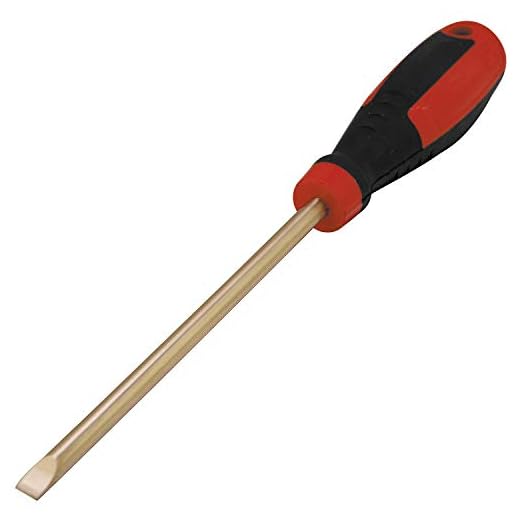
Assess the back cover. If it features small notches, utilize a case opening tool or a flathead screwdriver. Position the tool into a notch and gently twist to create a gap.

Step-by-Step Process
1. Place the watch on a soft cloth to avoid scratches.
2. Identify the location of the indentations around the back cover.
3. Fit the tool into the notch and apply gentle pressure to initiate separation.
4. Gradually work the tool around the perimeter to continue loosening the cover.
5. Carefully lift off the back, ensuring you do not damage the sealing ring if present.
Notes on Gaskets
If your model has a rubber gasket, check its condition. Ensure it is intact before reassembling, as this maintains water resistance. Replace if damaged.
| Tool Required | Description |
|---|---|
| Case Opener | Specialized tool designed to fit into notches. |
| Flathead Screwdriver | May be used if no dedicated tool is available, but requires caution. |
After gaining access, handle all components with care to avoid misalignment during reassembly. Regular maintenance is recommended for longevity.
Identifying the Type of Watch Case
To determine the specific type of case for your timepiece, examine its characteristics closely. Start by inspecting the back of the casing; it may have markings indicating the type, such as “screw-down” or “snap-back.” This provides insight into how to access its internals.
Materials and Shapes
Common materials include stainless steel, gold, and titanium. Each material can influence the case’s weight and durability. Additionally, shapes vary from round to square or rectangular, affecting not only the aesthetic but also the mechanism for opening the casing.
Water Resistance
Check for water resistance ratings, usually engraved on the back. Cases with higher ratings may have additional sealing mechanisms. This information is vital when considering how to approach the case without damaging any seals or gaskets.
Gathering the Necessary Tools for Opening
Prepare the following tools prior to commencing the disassembly procedure:
- Screwdrivers: A set of precision screwdrivers is essential. Look for small sizes, especially Phillips and flathead types, to fit the case screws.
- Case Knife: A specialized case knife is valuable for prying the back cover without damaging the metal or glass.
- Case Back Opener: Depending on the type of closure, a case back opener tool may be necessary for those with notches.
- Tweezers: Fine-tipped tweezers aid in handling small components without causing damage.
- Watchmaker’s Loupe: A magnifying glass for inspecting tiny parts ensures precision and clarity during the process.
- Soft Cloth: Utilize a non-abrasive cloth to protect the watch face and case from scratches.
- Magnetic Tray: This holds screws and small parts securely, preventing loss during disassembly.
Ensure all tools are clean and in good condition to facilitate a smooth procedure.
Locating the Case Back and Its Fastening Mechanism
Identify the case back on the timepiece, typically located at the rear. There are different styles for the back, such as screw-down, snap-on, or secured with screws. For models with a screw-down design, a specialized tool or case opener may be required to rotate the back counterclockwise.
If the rear is snap-on, first inspect the edges for a small notch where a blade or thin tool can be inserted. Gently apply pressure to release the snap, taking care not to scratch the surface. In the case of screw-secured backs, locate the screws using a proper screwdriver, usually of a fine size, to avoid stripping them.
Ensure to work in a well-lit area to effectively view the fastening mechanism. A magnifying glass can assist in closely examining intricate designs. Always handle the piece delicately to prevent any damage during the identification and access process.
Removing the Case Back Safely and Correctly
Utilize a case knife or a specialized tool to detach the back cover. Apply gentle pressure in the notches to initiate the removal.
Follow these steps to ensure safe extraction:
- Secure the timepiece on a soft cloth to avoid scratches.
- Identify the correct notch or groove on the back where the tool can fit.
- Insert the tool carefully into the notch and twist slightly to loosen the back cover.
- Gradually lift the back away from the main body, maintaining even pressure to prevent bending or breaking elements.
If resistance is felt, double-check the fastening method; apply more force only if you’re confident about the mechanism.
For models with screws, employ a precision screwdriver to remove them before attempting to lift the back section. Store screws in a container to avoid misplacement.
During the process, avoid contact with internal components to maintain the integrity of the timepiece. Once removed, proceed with necessary adjustments or repairs with caution.
Reattach the case back securely, ensuring it is aligned properly and fastened to withstand normal usage conditions.
Accessing the Movement and Internal Components
Carefully lift the case back once removed, revealing the intricate mechanisms inside. Ensure you have a clean, dust-free workspace to avoid contamination of the movement.
Utilize a pair of nylon or plastic tweezers to handle delicate parts, minimizing the risk of damage. Identify the location of screws securing the movement to the case; these may require a micro screwdriver set. Take note of each screw’s placement for reassembly.
Gently release the movement from the case by unscrewing the necessary fasteners. Before fully detaching, observe how the movement interacts with the stem and crown mechanism. If the watch has a screw-down crown, carefully unscrew it to access the movement underneath.
Once the movement is free, ensure that you avoid touching any exposed jewels and gears with bare fingers. Use a soft, anti-static cloth to handle bare movement parts, preserving the integrity of the components.
If further inspection or maintenance is planned, consider using a movement holder to stabilize the mechanism while inspecting for signs of wear or issues. This will simplify any adjustments or repairs required.
Reassembling the Timepiece After Maintenance
Ensure the movement is correctly positioned within the case before securing the back. Align any notches or features precisely to guarantee a tight seal.
Utilize a case press or designated tool to reattach the case back, applying even pressure around the edges. Avoid using excessive force that may damage components.
If the model features screws over the back, carefully use a compatible screwdriver, applying a gentle torque to avoid stripping any screws.
Check for any dust or debris in the crevices before final assembly to maintain the integrity and functionality of the internal mechanisms.
After reassembly, test the crown and any pushers to ensure they function smoothly. Confirm the timekeeping accuracy and water resistance if applicable.
Store the timepiece in a safe environment, allowing it to regain operational stability after maintenance. Regularly monitor its performance to detect any issues promptly.



