
 Ethan Cole

Opt for a softer strap, preferably made of materials like silicone or fabric. These options provide a gentle touch against the skin, significantly reducing irritation compared to harder materials such as metal or leather.
Ensure the fit is just right. A snug but comfortable adjustment is key; too tight may cause chafing, while too loose can lead to unwanted friction. Periodically check the positioning during wear to maintain comfort.
Regularly clean the accessory and the skin beneath it. Dirt and sweat can lead to irritation; thus, a gentle cleansing routine will help in maintaining skin health and prolonging the life of the band.
Consider taking breaks. Removing the accessory for a short time throughout the day allows the skin to breathe, reducing the risk of soreness and enhancing overall comfort.

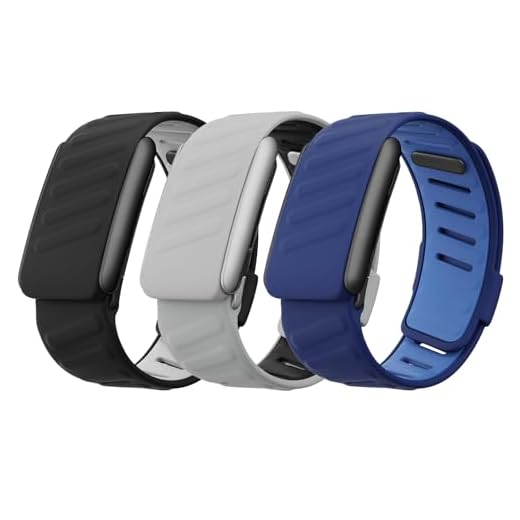
Choosing the Right Watch Material for Comfort
Select lightweight materials such as titanium or certain alloys to minimize irritation. Titanium offers durability and a smooth feel against the skin, while alloys can provide a hypoallergenic option for sensitive dermis.
Opt for leather straps that are soft and well-padded. Full-grain leather is breathable and conforms well to the shape of the limb, ensuring a comfortable fit over time. Avoid overly stiff or synthetic leathers that can cause chafing.
Silicone bands present another excellent alternative. They are flexible, easy to clean, and can provide a soft touch against the skin, reducing friction. Look for silicone that is free from harmful chemicals for added skin safety.
For those who prefer metal, look for stainless steel with a brushed finish. This texture helps to reduce sharp edges and minimizes skin contact area, which can lessen irritation. Consider models with adjustable links to ensure a proper fit.
Fabric straps, like nylon, are also worth considering. They are lightweight, breathable, and offer a wide variety of designs. Ensure the fabric feels soft against the skin to avoid discomfort.
Ultimately, selecting materials that suit personal preferences and skin types is key. Always prioritize finding a comfortable fit, as it directly influences how enjoyable the experience will be.
Adjusting the Strap for Optimal Fit
Position the timepiece snugly against the skin without causing compression. A commonly effective approach is to fit two fingers comfortably between the band and the arm. This method ensures sufficient breathability and wiggle room while remaining secure.
Material-Specific Adjustments
For leather straps, consider loosening them slightly after prolonged wear, as they may tighten with time. Metal bands often feature removable links; adjusting the number of links improves fit significantly. Fabric options like nylon may stretch after use; monitor tightness and adjust accordingly.
Regular Maintenance of Fit
Periodically reassess the fit, especially during temperature fluctuations or after physical activity. Body heat can cause swelling; ensure adaptability by adjusting the band during these instances. Frequent adjustments are key in maintaining comfort throughout the day.
Using Skin-Friendly Accessories Beneath the Watch
Choose materials like soft fabric or leather-like synthetic alternatives to act as a barrier between the skin and the timepiece. This can significantly reduce abrasiveness while enhancing comfort.
Consider a Soft Wrist Band
- Opt for bands crafted from breathable cotton or bamboo fabric, which wick moisture and promote air circulation.
- Look for cushioning features, such as padded liners, to add comfort without compromising style.
Try Wrist Covers or Sleeves
- Wrist sleeves made from lightweight, stretchy materials can protect against irritation while being barely noticeable.
- For extended wear, consider hypoallergenic covers that minimize contact with potential irritants.
Regular cleaning of accessories is necessary to avoid dirt buildup, which can also lead to skin issues. These measures will enhance comfort while allowing for a stylish presentation.
Regular Maintenance of the Watch Strap
Cleaning the strap regularly is critical for comfort. Use a soft cloth to gently wipe down materials like leather, silicone, or fabric. For deeper cleans, consider using a mild soap solution with water. Make sure to dry thoroughly to prevent moisture buildup, which can cause irritation.
Inspection for Damage
Check the strap for any signs of wear, such as fraying or cracks. Replace worn-out straps immediately to avoid discomfort. Regular inspections can also identify parts that may need tightening or adjustment, which can influence how snugly the accessory sits on the skin.
Conditioning Materials
For leather straps, applying a leather conditioner periodically can keep the material supple and reduce friction. This prevents chafing, enhancing overall comfort. Follow manufacturer guidelines regarding appropriate products to ensure the longevity of the strap.
Taking these steps contributes significantly to avoiding unnecessary skin irritation and enhances the overall wearing experience. Regular care not only maintains the appearance but also the comfort of the device on the skin.
Avoiding Moisture Build-Up Under the Timepiece
Ensure proper ventilation by opting for timepieces with breathable straps. Materials like mesh, nylon, or silicone promote airflow, reducing humidity accumulation underneath.
Regularly Remove the Timekeeper
Take frequent breaks by removing the accessory for short periods. This practice allows the skin to breathe and helps diminish sweat retention.
Use Absorbent Underlays
Consider placing moisture-wicking fabrics or absorbent underlays beneath the strap. These materials can effectively draw sweat away, keeping skin dry and preventing irritation.
Monitoring Skin Reactions and Making Adjustments
Regularly observe the skin under the timepiece for signs of irritation or discomfort. Look out for redness, swelling, or any unusual sensations that may indicate a negative reaction. Immediate assessment can prevent prolonged issues.
Adjusting Fit and Position
If an adverse reaction occurs, consider repositioning the accessory slightly. Moving it higher or lower on the arm can alleviate pressure on sensitive areas. Try to adjust the strap to create a looser fit to enhance airflow and reduce friction.
Tracking Habits and Reactions
Maintain a log of time spent wearing the device, noting any skin concerns and external factors like activities, lotions, or sweat conditions. This record assists in identifying patterns and triggers that may lead to discomfort.
| Skin Condition | Potential Cause | Recommended Action |
|---|---|---|
| Redness | Friction | Loosen strap |
| Swelling | Allergic reaction | Switch material |
| Itching | Moisture build-up | Remove during high-sweat activities |
| Rash | Prolonged wear | Take regular breaks |
Implement these strategies to ensure the device remains a comfortable addition to daily life, promoting both style and skin health.


