Ethan Cole

To safely detach a timekeeping instrument, locate the clasp mechanism first. Pay attention to whether it has a traditional pin or a fold-over style. For a pin buckle, gently press on the release mechanism to loosen the strap. If it utilizes a fold-over clasp, lift the latch and slide the band to free it.
Next, carefully slide the band backward, avoiding any jerking motions that may cause discomfort. If the piece has additional links, consider unscrewing or using a small tool to remove them before attempting to take it off if the fit is too snug.
Finally, check the overall condition of the strap regularly to prevent future difficulties when fastening or unfastening. Maintaining the device will enhance its longevity and usability.


Guide to Detaching Your Timepiece
First, locate the clasp mechanism. If it’s a traditional buckle, pull the pin back gently while lifting the strap off. For a deployment clasp, press the release buttons on the sides simultaneously to free the band.
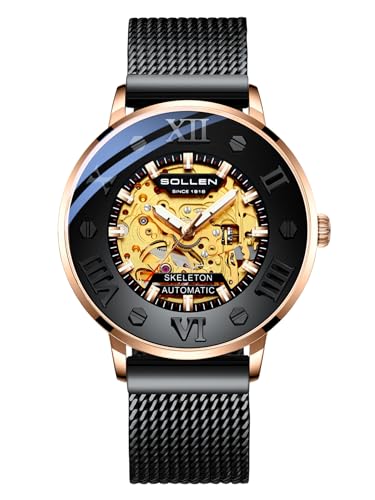
If your model features a metal link style, use a pin or a small tool to push out the link pins. Be cautious not to apply too much force to avoid damaging the bracelet.
For resin or rubber types, pull apart any connecting sections while applying slight pressure. Ensure that you’re gripping the band securely to prevent slipping.
- Check for wear and tear on the strap; this can affect the ability to detach correctly.
- For stubborn clasps, consider using a bit of lubricant to ease the process.
- Always perform this task in a clean area to avoid losing small components.
Before beginning, ensure your hands are dry and clean for optimal grip. If experiencing difficulty, consult the instruction manual specific to your piece.
Identify the Type of Strap
Begin by examining the strap material. Common types include resin, stainless steel, leather, and fabric. Each type requires different handling techniques.
For resin bands, look for a small pin or lever mechanism. These straps often feature flexible links that can be gently manipulated. Stainless steel variants usually have a clasp mechanism, often resembling a small button or latch that needs to be pressed to open.
Leather straps typically have a straightforward buckle system. Identify if it has holes for adjustment; these are often found at the end of the strap. If there’s a keeper, gently slide it aside to access the buckle.
Fabric straps may include Velcro or slip-on designs. If Velcro is present, gently pull apart the ends. For slip-on types, check for a cinch or loop that allows the strap to be loosened.
Understanding these characteristics streamlines the process, allowing for safer detachment without damaging the piece. Always consult the user manual or manufacturer guidelines if available.
Locate the Watch Clasp Mechanism
To successfully detach the accessory, pinpoint the clasp mechanism. Most models feature either a traditional buckle or a deployment clasp. Understanding the specific type will simplify the process significantly.
Types of Clasps
| Clasp Type | Description |
|---|---|
| Pin Buckle | A simple mechanism where a pin is inserted into one of the strap holes to secure it. Press the pin to release. |
| Deployment Clasp | A more complex mechanism that often includes a spring-loaded release. Look for a small button or lever on the side. |
| Slide Clasp | This type usually consists of a channel allowing adjustment of the strap length. Slide it to loosen. |
Examine the back of the accessory for any additional markings or indicators that confirm the type of clasp. Familiarity with the mechanism aids in prompt detachment without undue stress. Always ensure the clasp is completely open before attempting to take it off.
Open the Clasp Safely
To disengage the locking mechanism of your timepiece, gently press the designated latch or button on the clasp. Be cautious and ensure your fingers are positioned securely to avoid slips that could cause discomfort.
Twist and Pull Technique
If the clasp features a fold-over design, utilize a twist and pull method. Gently twist the clasp while simultaneously pulling it apart. This motion helps to release the tension without damaging the band.
Check for Any Additional Features
Some clasps may include secondary locking systems or hidden buttons. Inspect the mechanism closely and engage any additional components, if present, to facilitate a smoother uncoupling process.
Always handle the mechanism delicately; excessive force can result in damage. Once released, carefully guide the strap from your arm, ensuring to maintain a grip on the timepiece to prevent drops.
Remove the Timepiece with Care
First, ensure the clasp is fully opened. Gently push the release mechanism if applicable or carefully lift the lever to disengage. Keep the band steady and avoid excessive pulling. If your model features a pin design, align the pin with the hole using a small tool, like a pin pusher or flathead screwdriver, to ease the band off without resistance. Make sure to support the opposite side to prevent bending or damaging the structure.
For timepieces with a sliding mechanism, slide the adjustable section towards the clasp, maintaining a firm grip on the strap. Shift your wrist slightly to give yourself more space to maneuver the band. If any resistance is felt, recheck the clasp functionality before proceeding.
If the item has a leather band, be cautious of moisture and dirt accumulation around the clasp area. A quick clean with a soft, dry cloth can facilitate a smoother release. Leather can be slightly flexible, so avoid jerking or awkward angles which might strain the material.
Lastly, store the removed piece in a protective case or on a soft surface to prevent scratches or damage while not in use. Address any maintenance needs, such as cleaning or inspections for wear, prior to replacing the timepiece on the arm.
Adjust the Strap Length if Necessary
Modifying the strap length enhances comfort and fit. Follow these steps:
- Assess the current size by wearing the timepiece and checking for tightness or looseness.
- For metal links, use a pin tool to push out connecting pins. Examine the underside of each link for access points.
- For silicone or leather bands, locate adjustment holes or straps that allow for easy resizing. Slide the strap to the desired position.
- Reattach any links or secure adjustments firmly to ensure stability.
- Test the fit after adjusting to confirm comfort and security.
Regular adjustments may be necessary as wearers’ preferences or wrist sizes change over time. Ensure a snug yet comfortable fit for optimal wearability.
Store the Watch Properly After Removal
Position the timepiece in a dedicated case or pouch designed for accessories. This will shield it from dust and scratches.
Ensure that the storage area maintains a stable temperature and humidity to prevent damage to the materials.
If your accessory features a leather strap, consider using a silica gel packet to absorb moisture.
Avoid placing heavy objects on top of the item to maintain its shape and mechanisms.
Organize Strap and Accessories
For those with interchangeable bands, store each strap separately to prevent tangling or damage. Use small compartments or zip bags for easy identification.
Keep any extra pins or tools used for adjustments alongside the timepiece for convenience.
Maintain Cleanliness
Periodically check on the device for any dust or dirt accumulation. Use a soft microfiber cloth to gently clean the surface, ensuring no scratches occur.
After each use, give a quick wipe to remove oils or sweat from the skin that might have transferred to the band.