
 Ethan Cole
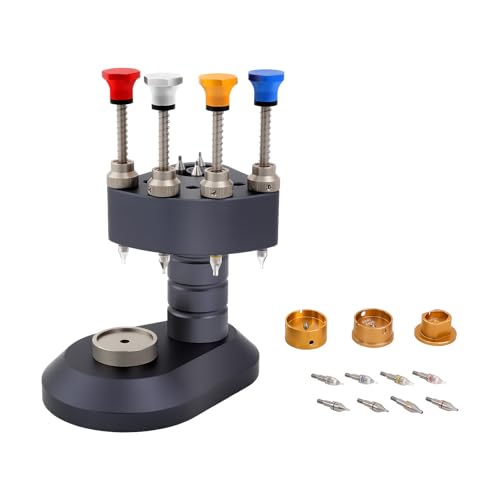
To achieve a perfect fit for your timepiece, focus on locating the small pins or screws that secure the bracelet segments. Use a fine-tipped tool or a specialized watch link removal tool, which can be purchased at most accessory shops. Gently push or unscrew the pins to disconnect the desired segment. Ensure you handle the components carefully to avoid scratches or damage.
After detaching the segment, inspect the remaining links for alignment. Reattach the clasp with precision, ensuring it clicks securely into place. This adjustment can enhance comfort and functionality, making it fit snugly on your arm without any excessive movement.
Finally, conduct a thorough inspection of your adjustment. Check for any signs of wear or instability. If everything appears secure, your adjusted accessory is ready for use, seamlessly complementing your style.
Identifying the Type of Watch Band and Links
Examine the strap design closely. There are three primary categories: metal, leather, and synthetic. Metal bands often feature interlocking pieces that may require specific tools, while leather and synthetic straps tend to have a simpler construction.
Assessing Metal Bands
Check for pins or screws on metal straps. Pins are usually pushed through the links and can be removed with a pin pusher or a small hammer. Screws, however, require a screwdriver. It’s crucial to identify the method used to connect the components before attempting any adjustments.


Evaluating Leather and Synthetic Straps
Leather and synthetic bands usually have a fixed length, but some offer removable components. Look for quick-release pins or buckles. If removable parts are present, they can be adjusted with minimal effort, often just by pressing a lever or sliding a mechanism.
Gathering the Necessary Tools for Link Elimination
Prepare a specialized watch tool kit, which should include a pin pusher, a flathead screwdriver, and a spring bar tool. These instruments are essential for manipulating the components of the band and ensuring precise adjustments.
Choosing the Right Tools
Select a pin pusher that fits well with the size of your band links. Look for one with interchangeable tips to accommodate various designs. A flathead screwdriver is useful for opening the casing of certain types of fasteners. The spring bar tool helps in adjusting detachable links easily.
Additional Items to Consider
Have a soft cloth on hand to protect the watch surface while you work. A magnifying glass can also assist in clearly seeing small components. A small container for storing removed elements will help keep track of parts during the process.
Step-by-step guide to removing links
First, secure the timepiece on a flat surface to prevent any movement during the process. Identify which sections require shortening by comparing the band fit to your wrist.
- Place the band in a position that allows easy access to the pins connecting the segments.
- Use a small hammer to gently tap a pin pusher or needle-nose pliers into the side of the pin. Apply enough pressure to loosen it without damaging the band.
- Once the pin is partially removed, grip it with pliers and pull it out completely.
- Repeat this process for any additional segments that need to be detached. Ensure that pins are stored safely.
- Realign the remaining sections and insert the pin back into place, ensuring it is securely fastened.
- Finally, check the fit by putting the timepiece back on. Adjust if necessary.
Putting the timepiece back together after link adjustment
Ensure all components are ready for reassembly: the band, pins, and any required tools. Align the ends of the band snugly, making sure that the connectors fit seamlessly. Insert the first pin carefully through both ends; it should slide in easily. If you encounter resistance, check for proper alignment.
Reinserting the pins
Use a pin pusher or a small hammer to gently tap the pin into place. Take care to avoid damaging the surface of the metal. If using a hammer, apply light taps to ensure a secure fit without excessive force. Inspect if the pin is flush with the band; any protrusion could indicate improper insertion.
Final adjustments
Test the resilience of the structure by gently pulling on both ends of the bracelet. If any movement or loosening occurs, assess the pins for proper fixation. Once satisfied, check the fitting of the entire ensemble on your wrist to ensure comfort. Adjust further if necessary by repeating previous steps.
| Step | Description |
|---|---|
| Align Components | Ensure both ends fit properly for reassembly. |
| Insert Pin | Carefully slide the first pin through the aligned holes. |
| Secure Pin | Gently tap the pin into place, ensuring it sits flush. |
| Test Integrity | Check the bracelet for tightness and comfort on the wrist. |
Troubleshooting common issues during link removal
If the clasp doesn’t open after removing pieces, check if the right tools were utilized. Incorrect sizes may prevent proper adjustments.
In cases where pieces are difficult to detach, gently apply a lubricant specifically designed for metal finishes. This can ease the process and prevent damage.
If the band appears misaligned post-adjustment, double-check the orientation of each section. Some styles have specific alignment requirements for seamless connectivity.
In the event of scratches or marks appearing on the finish, work on a soft surface and consider using a microfiber cloth during handling to minimize impacts.
Should parts not fit back together correctly, inspect for any small debris that could obstruct proper assembly. Clean the pinholes thoroughly before re-inserting any pins.
If the timepiece feels loose after modifications, verify that each component is securely attached and that all pins are fully inserted into their designated holes.
For any excessive stiffness in the adjusted band, ensure that all parts are fully seated and that they properly articulate, allowing for comfortable wear.
If the repair process feels overwhelming, taking a break can help avoid errors and allow for a fresh perspective when continuing.



