
 Ethan Cole

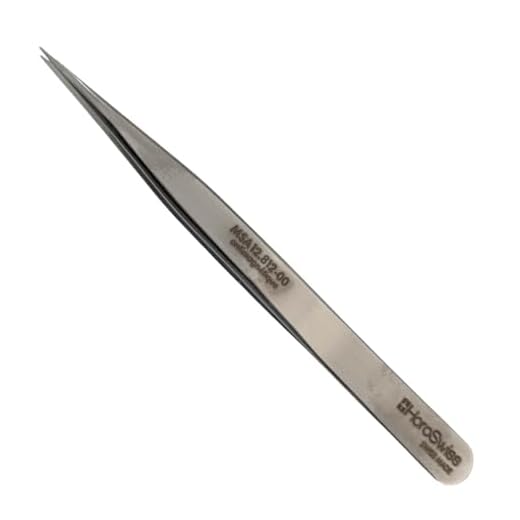
Use a pair of fine-tipped tweezers or a specialized tool designed for watchmakers. Carefully grasp the component at its base to avoid damage. Ensure a steady hand; a sudden pull can lead to breaks in delicate mechanisms.
Assess the type of timepiece being handled; certain models have locking mechanisms that must be disengaged first. In these instances, consult the manufacturer’s instructions for guidance. It’s crucial to understand the specific design of your timekeeper before proceeding.
A clean, lint-free cloth can serve as a workspace to protect the timepiece’s casing from scratches. Place the watch face down during the process, ensuring no undue pressure is applied to sensitive components. Proper lighting aids in seeing the intricate parts more clearly, reducing the chance of mishaps.
Eliminating a Timepiece’s Stem
Begin by laying the timepiece on a soft surface to prevent scratches. Utilize a flathead screwdriver to gently pry the back cover off. Be cautious to avoid damaging the housing. Once opened, locate the small lever that secures the stem in place.
Disengaging the Stem
Press the lever down using a tweezer or a similar tool while simultaneously pulling the stem out. This may require careful maneuvering to avoid excessive force, which could harm internal components. Once the stem is free, inspect it for any accompanying pieces that may have to be handled with care.

Final Inspection
After extraction, examine the area for any remaining parts that may need adjustment or replacement. Store the extracted components in a safe location for future use or reassembly. Regular maintenance checks can prevent complications when reinserting parts later on.
Identifying the Type of Watch Mechanism
To determine the mechanism of a timepiece, examining its movement is crucial. There are three primary categories: manual, automatic, and quartz. Each has distinct characteristics, affecting how adjustments are made.
Manual Movement
Manual timepieces require winding by turning the crown. Examine if winding is necessary for operation; if so, it uses a traditional mechanism. They often feature smooth motion in seconds hand, with incremental ticks noticeable.
Automatic Movement
Automatic mechanisms utilize natural arm movement to wind the mainspring. These can be recognized by a rotor, visible through a transparent case back. The seconds hand moves continuously, providing a fluid motion unlike manual types.
Quartz Movement
Battery-powered quartz watches operate with a battery and a quartz crystal oscillator. The seconds hand typically jumps in one-second intervals. If the timepiece displays a precise tick or has a battery compartment, it indicates quartz technology.
| Type | Winding Mechanism | Seconds Hand Movement |
|---|---|---|
| Manual | Winding Required | Ticking Motion |
| Automatic | Self-Winding | Continuous Motion |
| Quartz | Battery Operated | Jumping Motion |
Knowing these distinctions aids in effective servicing and care. Each mechanism has specific needs and maintenance requirements to ensure longevity and performance.
Gathering Necessary Tools for Crown Removal
Acquire a case knife or a fine flathead screwdriver for prying. Ensure it has a thin blade to avoid damaging the casing. A soft cloth will protect the surface of the timepiece during the process.
Specialized Equipment
A watchmaker’s tool kit can be invaluable, including a set of tweezers and a hand remover. These items facilitate careful handling and precise adjustments. A loupe assists in magnifying details, ensuring a clear view of mechanisms.
Safety Precautions
Prepare a clean, well-lit workspace free of clutter. Anti-static wrist straps can prevent damage to electronic components. Consider wearing gloves to avoid fingerprints on delicate parts.
Step-by-Step Process to Take out the Stem
Begin by ensuring the timepiece is powered down or stopped. If necessary, pull out the winding mechanism to prevent any movement. Locate the tiny pin or lever situated near the base of the stem. Utilizing a precise tool, gently press this pin inward to release tension.
Extracting the Stem
While pressing the pin, grasp the stem firmly and pull it outward with a straight motion. If resistance is encountered, double-check the pin’s engagement. Avoid forcing it, as this might cause damage. Once released, place the stem aside carefully.
Final Checks
Inspect both the extracted part and the housing for any debris or damages. Cleaning the interior with a soft cloth will ensure a smooth re-installation later. Store the stem in a safe, dust-free location until reassembly.
Avoiding Common Mistakes During Removal
Ensure a clean workspace before beginning any disassembly. Dirt or debris can lead to scratches or damage.
Do not apply excessive force; components are delicate. Using the correct amount of pressure prevents breakage.
Assess the mechanism type thoroughly. Different designs may require unique approaches, and confusing them could result in irreversible damage.
Failure to Gather Proper Tools
Using inappropriate tools can strip screws or damage delicate parts. Confirm that all necessary instruments are available and suited for your specific mechanism.
Ignoring Manufacturer Instructions
Neglecting to consult available manuals or guidelines may lead to oversight of specific steps or precautions. Pay attention to manufacturer recommendations for unique features in certain models.
Finally, document the assembly process if uncertain. Taking photos of each step can simplify reassembly and reduce errors significantly.
Reassembling After Crown Removal
Align components carefully to ensure a seamless fit. Start by inserting the stem through the movement, ensuring that it clicks into place securely. Next, gently reattach any surrounding parts, securing them with precision. Take note of any gaskets or seals; these need to be replaced if damaged to maintain water resistance.
Steps for Proper Reassembly
- Inspect all components for wear or damage.
- Place movement back into the case, ensuring the stem is positioned correctly.
- Fix case screws if necessary, avoiding overtightening.
- Check alignment of hands and ensure they move freely without obstruction.
- Reinstall any protective coverings or backplate.
Final Adjustments
After securing everything, perform a functionality test. Wind the mechanism and adjust the settings to verify accuracy. If operational issues arise, double-check all connections and fittings.
Finally, if applicable, restore the watch to its original condition by gently polishing the exterior. Ensure that all seals are intact to prevent moisture ingress. Store the timepiece in a safe place until it’s ready for wear again.
FAQ:
What tools do I need to remove the crown from my wristwatch?
To safely remove the crown from your wristwatch, you will typically need a few basic tools. First, a pair of tweezers is highly recommended to provide a good grip without damaging the watch. A case opener tool may also be useful, depending on how the watch case is designed. Additionally, having a soft cloth on hand can help protect the watch’s surface from scratches during the process. Some watches may have screws holding the crown in place, so a small screwdriver may be needed as well. Always refer to the watch’s manual for specific instructions related to your model.
What are the common mistakes to avoid while removing the crown from a watch?
When removing the crown from a wristwatch, it’s easy to make some common mistakes that could damage the watch. One major mistake is applying too much force when trying to pull out the crown, which can result in breaking internal gears or damaging the stem. It’s also important to ensure that the watch is in the correct position before attempting removal. Failing to do so may lead to complications. Additionally, not using the appropriate tools can cause scratches or other damage. Always work in a well-lit area, and if you feel unsure, consider consulting a professional to avoid any issues.
Is it necessary to have professional help when removing the crown from a watch?
While it’s possible to remove the crown from a wristwatch on your own, seeking professional help is advisable if you are not confident in your skills or lack experience. Watch movements can be delicate, and any mistakes during the process may lead to costly repairs. A watchmaker has the necessary expertise and tools to handle different types of watches, ensuring that the crown is removed without damaging the movement or case. If your watch is particularly valuable or holds sentimental significance, it is wise to let a professional handle the task. However, if you choose to do it yourself, take your time, follow instructions closely, and proceed with caution.



