
 Ethan Cole

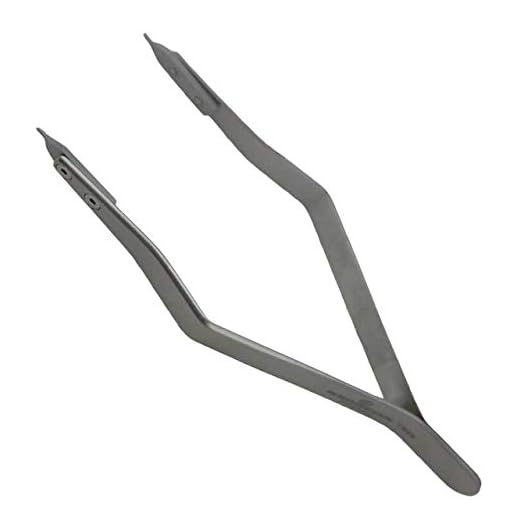
Utilize a specialized tool or a spring bar tool to press in on the small pin located on the side of the band. This action will help disengage the fastener smoothly. Ensure you are working on a soft surface to prevent scratches or damage to your precious accessory.
After pressing the pin, gently slide the fastener out of its slot along the band. Take care not to apply excessive force, as this could lead to bending or damage to both the pin and the strap itself.
If your timekeeper has a more intricate design, consider using a gentle prying tool to assist in the process. Place the tool beneath the fastener and lift carefully. This method can be particularly useful for watches with tightly fitted components.
Once removal is complete, inspect each part for any signs of wear or damage. Regular maintenance is crucial to ensure longevity and functionality of your timepiece.
Identifying the Type of Clip Used in Your Timepiece
To determine clip style, first inspect the fastening mechanism closely. Most commonly, variants include pin, deployment, and butterfly types. Each type features distinct characteristics.

Pin Clip
This type typically incorporates a small metal pin connected to the strap, allowing for easy attachment to the case. Look for a small hole or groove where the pin sits. A spring-loaded mechanism might require pressing to release.
Deployment and Butterfly Clips
Deployment styles often consist of two folding parts that secure together. These might resemble a clasp that opens and closes smoothly. Butterfly clips present similarly, with two segments releasing simultaneously, giving a balanced appearance. Examine the hinge area for an opening latch mechanism.
Gathering Necessary Tools for Clip Removal
Begin with a precision screwdriver set, ideally containing various heads for different screws. A spring bar tool is crucial, as it facilitates easy disconnection of attachments. Consider acquiring pliers with rubber grips to prevent damage to components during handling.
A magnifying glass can assist in spotting tiny details, particularly if dealing with small springs or parts. Have a soft cloth available to prevent scratches on surfaces and a clean mat to avoid losing minor components. A bowl can help organize screws and small pieces to prevent misplacement.
If available, utilize a portable watch holder to stabilize the timepiece while working. An appropriate workspace with adequate lighting will enhance visibility and ensure precision as you navigate this task.
Step-by-step process for removing spring bars
Position your timepiece face down on a soft cloth to prevent scratches. Identify the location of the spring bar, which typically resides in the lugs of the case.
Step 1: Insert the tool
Take the spring bar tool and gently insert the forked end into the small indentation on the lug. Apply slight pressure to compress the bar.
Step 2: Release and slide
While holding the spring bar compressed, slide it out of the lug by carefully pulling the strap or bracelet during the process. Repeat for the opposite end to fully detach.
Techniques for Removing Other Clip Types
For unique fastening mechanisms, alternative strategies are required. If a deployment clasp, common in high-end models, is present, locate the small buttons on either side. Gently press both buttons simultaneously while pulling the two sections apart. This method ensures minimal wear and maintains the integrity of the piece.
Butterfly Clasps
For butterfly clasps, examine the center section. Often, there is a small lever or a push piece. Apply slight pressure to this mechanism while opening the sides. It’s beneficial to practice on a non-valuable item first to gain familiarity with the motion involved.
Magnetic Closures
In instances of magnetic devices, carefully separate the halves without force. If resistance is felt, check for any hidden latches. Gently wiggling the pieces may help disengage the components without damage.
Safety Precautions to Take While Removing Clips
Wear safety goggles to protect eyes from potential debris during the disassembly process.
Ensure a clean, well-lit workspace to minimize the risk of losing small components.
- Use a soft cloth or a mat to prevent scratches on the watch or its parts.
- Keep all tools organized and within reach to avoid unnecessary movements that could lead to accidents.
Be cautious when handling sharp tools, such as spring bar tools, to avoid injuries. Maintain a steady grip when applying force.
If the mechanism is particularly stubborn or resistant, apply minimal pressure only. Do not force any component to prevent damage.
- Consider wearing gloves to enhance grip and protect against sharp edges.
- Handle small parts with tweezers to maintain precision and reduce the chances of dropping them.
Store removed components in a safe container to avoid any mix-ups or losses during reassembly.
If uncertainty arises, consult a professional or instructional videos before proceeding to avoid damaging the timepiece.



