Ethan Cole
Utilize a case knife or a thin bladed tool to carefully leverage the case back from its seated position. Insert the tool into the tiny notch located at the edge of the case and gently twist to create a slight opening. This technique minimizes the risk of scratching the case or damaging the sealing mechanism.
Once an initial gap appears, use your fingers or a pair of rubber ball grips to assist in loosening the cover. Applying even pressure around the circumference ensures that the back detaches smoothly without excessive force. Always work in a well-lit area to safeguard visual clarity during this delicate process.


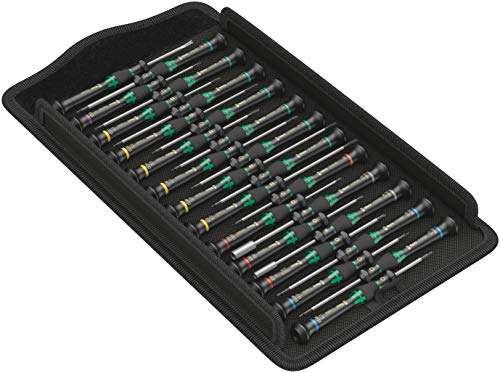
After detaching, place the watch face down on a soft cloth to prevent any scratches to the crystal. If your model employs screws, a precision screwdriver set will be needed for removal. Identify the specific screw size and proceed to unscrew each one carefully, maintaining organization to facilitate reassembly.
Instructions for Opening a Waltham Timepiece
Begin by gathering necessary tools: a case opener, a soft cloth, and a pair of tweezers.
Position the timepiece face down on a soft surface to avoid scratches. Identify the notches or grooves along the perimeter of the case. These are typically designed for case opening tools.
Utilize the case opener to gently insert into the notch, applying minimal pressure. Rotate the tool slightly to create a gap. Once enough space is established, carefully slide the tool around the edge to release the retaining clips.
If the case is threaded, grip the sides securely with your hands and twist counterclockwise until it loosens. Ensure that no force is applied to the watch face while doing this.
Once the rear cover is free, utilize tweezers to lift it off gently. Avoid pinching any internal components during this process.
Always consult the specific manual for the model if available, as designs may vary significantly.
| Tool | Function |
|---|---|
| Case Opener | Expands grooves to release case back |
| Soft Cloth | Protects surface from scratches |
| Tweezers | Safely lift components without damage |
Keep a clean workspace to prevent loss of small parts. Store the removed cover in a safe location until ready for reassembly.
Gathering the Necessary Tools for Opening the Case
Secure a case knife or a specialized watch case opener. These tools are designed to fit into the tiny grooves of the casing, allowing for a safe and efficient opening.
Obtain a soft cloth to rest the timepiece on, protecting its surface from scratches and damage during the process.
A pair of tweezers will assist in handling any small components within the enclosure, preventing accidental drops or misplacements.
Optional, but recommended, is a magnifying glass to closely inspect parts and ensure careful handling during disassembly.
Consider utilizing a small flashlight to illuminate the interior, making it easier to identify necessary components while maintaining visibility in low-light conditions.
A clean workspace is crucial, so prepare a flat area free of distractions to keep track of the removed components and tools.
Identifying Type of Caseback on Your Waltham Timepiece
Examine the case closely. A snap-on case typically features a smooth surface with a thin lip around the edge, while screw-down versions include visible notches for a tool to grip. Models made of stainless steel may have a brushed or polished finish, whereas gold-filled types exhibit a shiny, reflective surface. Inspect the edge for any small holes indicating a movement cover for certain designs; these require a specialized tool for extraction.
Check for inscriptions or markings on the backside, which can provide clues about the model and its characteristics. Often, variations will have unique engravings indicating specific features or dates of manufacture. For vintage pieces, research the serial number usually found on the case edge or inner surface to determine its type and authenticity.
Familiarize yourself with specific Waltham designs common within your timepiece’s era. Certain models might have a pop-off design, while others adhere to screw mechanisms. Using online resources or watch enthusiast forums can assist in identifying these details.
Using the Right Technique to Pry Off a Snap-Back Case
Utilize a case-opening tool designed for snap-back mechanisms to avoid damage. Align the tool’s edge with the small notch present on the edge of the case. Ensure a secure grip to maintain control during the process.
Follow these steps for optimal results:
- Position the tool at the notch while holding the timepiece firmly to prevent slipping.
- Apply gentle pressure downward, while simultaneously twisting the tool slightly to create a gap.
- Once a small opening is generated, insert the tool further into the gap and continue to twist lightly, allowing the case to pop open.
For safety, wear anti-static gloves to avoid leaving fingerprints on sensitive components. If resistance is felt, reassess the alignment of the tool to avoid damaging the casing.
Should the back remain stubbornly in place, consider heating the case slightly using a hairdryer on a low setting. This can help expand the material and make removal easier.
Removing Screws on a Screw-Back Case Properly
Utilize a proper screwdriver that matches the size and type of the screws on your case. A set of micro screwdrivers is recommended for this task.
Preparation
Ensure the workspace is clean and well-lit. Place a cloth or mat underneath to prevent scratching. Organize all tools for easy access.
Technique
Gently apply downward pressure while turning the screwdriver counterclockwise. Avoid excessive force; if a screw resists, consider using penetrating oil or a screw extractor. Maintain a steady grip to prevent slipping and damaging the case or surrounding components.
Safeguarding the Movement During the Process
Prioritize protection of the internal components while engaging with the case. Begin by placing a soft cloth or watch mat on your workspace. This will shield against scratches and unexpected drops.
Utilize Proper Tools
Employ non-marring tools to prevent damage. Opt for plastic or nylon levers instead of metal ones. Metal can scratch or dent delicate parts during manipulation.
Maintain a Consistent Environment
Work in a dust-free area. Dust particles can infiltrate the mechanism when the case is open, causing potential issues later. Use a blower to keep the workspace clear and avoid exposure to moisture or extreme temperatures.