
 Ethan Cole

Directly access the quick-release pins located on either side of the band. Utilize a small tool, like a screwdriver or a specialized spring bar tool, to carefully compress these pins, allowing the band to detach from the casing.
Ensure you grasp the timepiece firmly with one hand while manipulating the pins with the other. This stability is crucial to prevent any unintended damage. Gently push the pin towards the center of the case, noting the tension; once released, the band will slide away. Repeat this process on the opposite side for complete removal.
For models lacking quick-release features, inspect for screws that may secure the band. Use a precision screwdriver to loosen and extract these screws, taking care not to mix them up, as different models may utilize various sizes. Store them safely for reassembly.

Finally, clean the attachment points on the case and the ends of the band for optimal maintenance. Regular checks can enhance the longevity of any accessory, allowing seamless adjustments and replacements when needed.
Removing a Watch Band
Position the timepiece face down on a soft surface to prevent scratches. Locate the spring bar on the side of the band where it connects to the casing. Use a spring bar tool or a small flathead screwdriver to gently compress the bar, which will release the band from the lugs.
If your model features a pin-and-tuck mechanism, slide the pin away from the buckle and then pull the band out carefully. Ensure you don’t apply excessive force to avoid damage.
For leather or fabric varieties, check for a quick-release mechanism; this often requires pressing a lever to detach the band easily. Maintain a steady grip on the watch while performing this task.
Once detached, inspect both the band and attachment points for any wear or damage before reattaching or replacing. Store the band properly in a safe location to prevent misplacement.
Choosing the Right Tools for Strap Removal
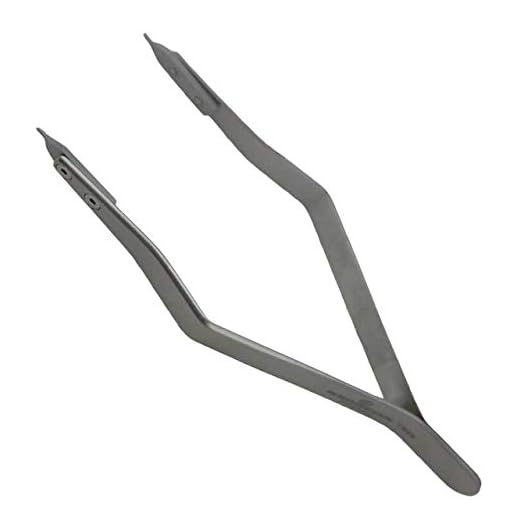
Invest in a spring bar tool, specifically designed for detaching and attaching bands. This tool features a forked end to gently press or lift the spring bars.
Consider needle-nose pliers for precision grip. They help in manipulating delicate components without damaging surfaces.
Have a soft cloth on hand to protect the timepiece from scratches during the process. A mat or pad provides stability and prevents slipping.
Other useful tools include:
- Pin pusher: For watches with push pins, this tool aids in easy extraction.
- Screwdriver set: Vital for models with screw-in links, ensuring you have the right size is key.
- Magnifying glass: Assists in viewing small parts, preventing errors during the task.
Prioritize safety by using a case holder for stability, securing the timepiece while working. Properly selected instruments streamline the disassembly, reducing the risk of mishaps.
Identifying the Type of Band
Assess whether the material is leather, metal, silicone, or fabric. Leather bands are soft, flexible, and often have a classic appearance, while metal types are typically composed of links, providing durability and a formal aesthetic. Silicone bands are lightweight and water-resistant, suitable for active use, while fabric options often offer breathability and style variety.
Examine the attachment mechanism. Spring bars are common in leather and fabric types, allowing for quick interchangeability. Watch types with integrated lugs might require specific tools or methods for removal. Additionally, some metal models feature screws, necessitating a flathead screwdriver for disassembly.
Consider watch size and orientation; standard lengths vary based on wrist size. Wide bands often necessitate larger watch faces, and some styles may not accommodate all wrist sizes comfortably. Identifying these characteristics aids in determining suitability for specific occasions or preferences.
Review the functionality of features such as quick-release pins found on some modern bands. These allow for easy swapping without tools, enhancing convenience for users who frequently change their accessories.
Removing a Leather Timepiece Band Safely
Ensure your timepiece is face down on a soft surface to prevent any scratches. Locate the spring bars nestled within the lugs of the case. Utilize a spring bar tool for gentle pressure to compress the spring bar. This action frees one side of the band effectively, allowing for a smooth release.
Once the first end is detached, repeat the same process for the opposite end. Take care not to apply excessive force to avoid damaging the leather or the watch itself. Inspect both ends of the band after removal to check for any wear or damage, ensuring safe reattachment in the future.
Cleaning and Maintenance Post-Removal
After detaching the band, clean the lugs using a soft, dry cloth to remove any dust or debris. Avoid moisture, as leather bands can be sensitive to humidity. Store the band in a cool, dry place to prolong its lifespan and maintain its appearance.
Taking Off a Metal Watch Bracelet: Step-by-Step
Gather a spring bar tool and a soft cloth. Place the watch face down on the cloth to protect it from scratches.
Step 1: Locate Spring Bars
Identify the spring bars that connect the metal link to the watch case. These are small metal rods that can be seen on either side.
Step 2: Compress Spring Bars
Using the spring bar tool, carefully press in on the ends of each bar to compress it. This action will free the bar from the holes in the lugs of the timepiece.
While maintaining pressure on one side, gently pull the bracelet away from the case. Repeat for the opposite side.
Ensure that both bars are fully disengaged before attempting to lift off the bracelet completely.
Handling Spring Bars and Pins Effectively
To handle spring bars and pins, begin by locating the end of each spring bar. Gently compress the ends using your tool, ensuring you maintain control while pushing inward. This action reduces tension and allows for easier removal. Aim for a clean, careful approach to prevent damage to your timepiece.
Utilize a magnifying glass or a brightly lit area to enhance visibility of the mounting points. This makes it easier to distinguish between different types of spring bars, which can vary in width and design. For protecting your timepiece, lay down a soft cloth underneath to catch any parts that may fall.
| Tool | Purpose |
|---|---|
| Spring Bar Tool | Key for compressing and removing spring bars safely. |
| Pliers | Useful for gripping and manipulating pins when necessary. |
| Magnifying Glass | Enhances visibility during the removal process. |
| Cloth | Prevents scratches on surfaces being worked on. |
After compression, slowly guide the spring bar out of its housing, avoiding sudden jerks that could cause valise damage. For pins, position the pliers carefully and grip firmly, then apply gentle pressure to push them out. If resistance is felt, check for any obstruction before proceeding.
Always replace components in reverse order, ensuring parts fit snugly to maintain functionality. Proper handling minimizes risk of loss or damage, preserving your accessory’s integrity for years to come.
Reassembling After Strap Removal
Align the case and chosen band correctly. Ensure that the spring bars or attachment mechanisms fit snugly into the designated lugs. Apply gentle pressure while inserting, ensuring they click into place firmly.
Double-Check Alignment and Functionality
Inspect positioning by looking from various angles to confirm the band sits evenly. Test the functionality by gently tugging on the band. It should feel secure and not shift or detach easily.
Final Adjustments and Securing
If applicable, tighten any screws or clasps associated with fastening. For those utilizing pins, ensure they are fully engaged. Make adjustments to fit as necessary, considering comfort and security.



