Ethan Cole

For a perfectly fitting accessory, pay attention to the size of the case. A diameter between 38mm and 42mm suits most medium-sized arms, while those with a slender build may find 34mm to 38mm more comfortable. Ensure that the lugs align with your arm’s edges; this prevents the piece from looking out of place.
Strap or bracelet material plays a significant role in comfort and style. Leather options provide a classic look and can adapt over time. Meanwhile, metal bracelets offer durability and a sophisticated aesthetic. Opt for a closure that allows easy adjustability, which is key to achieving the right grip without constriction.
Color selections should harmonize with your wardrobe. A neutral tone, such as black, brown, or silver, presents versatility, while bolder colors can add personality. Consider the watch face’s readability as well; high contrast between the markers and background enhances visibility, making timekeeping effortless.


Functionality is another factor to weigh. If you lead an active lifestyle, prioritize features like water resistance and durability. For everyday wear, a straightforward analog face may suffice, while digital variants can offer additional functionalities such as alarms and fitness tracking, enhancing their utility.
Choosing the Right Timepiece for Your Arm
Prioritize the size of the case. An ideal diameter is generally between 38mm and 44mm, aligning with your arm’s proportions. A smaller case suits slim arms while a larger case complements broader builds.
Material selection plays a significant role. Stainless steel offers durability; titanium is lightweight; ceramic provides scratch resistance, and leather lends a classic appeal.
Consider the thickness of the casing. A slimmer profile is appropriate for formal occasions, while a chunkier design suits casual settings.
Strap width should complement both the case size and your personal style. Straps ranging from 18mm to 22mm are common, and their texture–be it metal, leather, or fabric–adds character.
Select a color palette that resonates with your wardrobe. Neutral tones ensure versatility, while bold colors make a statement.
Evaluate the complications featured. Chronographs offer functionality for sports enthusiasts, while minimalist designs appeal to lovers of simplicity.
Ensure the closure mechanism is user-friendly. Deployment clasps provide security, while traditional tang buckles offer ease of adjustment and style.
Finally, consider the intended use. A sporty model with water resistance serves active lifestyles, whereas a classic piece fits formal settings seamlessly.
Determine Your Wrist Size for a Perfect Fit
Measure your circumference accurately for optimal comfort. Use a flexible tape or a piece of string, positioning it around the area just above the bone of your arm. Ensure the tape or string is snug but not tight.
Steps for an accurate measurement:
- Wrap the tape or string around the wrist.
- Note the measurement where the tape or string overlaps.
- If using string, mark the point and measure the length against a ruler.
Record the measurement in millimeters or inches. Typical sizes vary:
- Small: 5.5 – 6.5 inches (140 – 165 mm)
- Medium: 6.5 – 7.5 inches (165 – 190 mm)
- Large: 7.5 – 8.5 inches (190 – 215 mm)
Consider the style of the item, as some designs may feel tighter or looser based on their build. Adjustable straps offer flexibility, while fixed bands are less forgiving. When possible, try on different types to find which fits best.
If your size falls between categories, opting for a larger option may enhance comfort. Double-check measurements periodically, as wrist sizes can change over time due to factors such as weight fluctuations and physical activity.
Select the Right Watch Case Size for Your Style
Optimal case size enhances both comfort and aesthetics. Measure your wrist circumference and align it with case dimensions. Typically, cases ranging from 36mm to 40mm suit smaller wrists, while 41mm to 45mm works well for medium to large wrists.
Proportionality Matters
Consider the relationship between case width and wrist size. A case that is too large can overwhelm a delicate frame, while an undersized piece may appear lost on a broader wrist. Aim for a balanced proportion, ensuring that the edges of the case align with the edges of your wrist.
Style Impact
Different styles benefit from varying case sizes. Sporty designs often feature larger cases for visibility and durability. Elegant or dress styles suit smaller, more refined cases. Analyze how the case size complements your lifestyle and wardrobe choices, allowing for versatility in different settings.
Choose the Appropriate Strap Material and Type
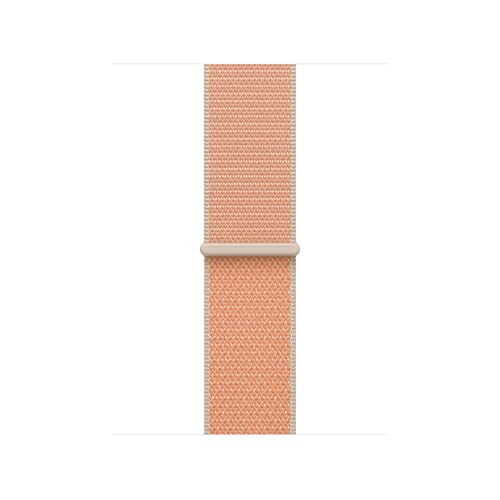
Opt for materials that enhance comfort and style. Leather provides a classic and sophisticated look, while metal offers durability and a modern touch. Fabric options, like nylon or canvas, present a casual and lightweight alternative.
When selecting the type of strap, consider a deployment clasp for added security or a traditional buckle for simplicity. Silicone straps are ideal for sporty activities due to their water resistance and flexibility.
Match the strap material to your intended use. Formal occasions call for genuine leather, while active lifestyles may benefit from rubber or synthetic options. For versatility, consider interchangeable straps that allow easy swapping according to clothing or occasion.
Evaluate the width and thickness of the strap. A wider band can create a bold statement, while a slimmer style may be more understated. Comfort should always align with aesthetics; ensure the strap sits well and doesn’t irritate the skin.
Finally, consider maintenance. Some materials require regular polishing or conditioning, while others are low-maintenance. A strap that fits both your lifestyle and style enhances the overall wearability of the timepiece.
Consider the Weight and Comfort for Daily Use
Prioritize the balance between weight and comfort to ensure an enjoyable experience throughout the day. A lighter piece is generally preferable for prolonged use, while heavier designs might be better suited for occasional wear or special occasions. Aim for a piece that feels like a natural extension of your arm.
Material Influence on Comfort
The composition of the timepiece significantly impacts its weight and wearability. Typical materials include stainless steel, titanium, ceramics, and plastic. Titanium offers a strong yet lightweight option, while stainless steel provides durability but can feel more substantial.
Testing the Fit
Before finalizing a choice, try it on. Ensure the fit allows for some adjustability, enabling air circulation and preventing discomfort. A snug but non-restrictive fit will promote day-long enjoyment without irritation.
| Material | Weight | Comfort Level |
|---|---|---|
| Stainless Steel | Medium to Heavy | Good |
| Titanium | Light | Excellent |
| Ceramic | Medium | Good |
| Plastic | Very Light | Very Good |
Opt for pieces with curved backs that follow the natural contour of the arm, enhancing comfort. Additionally, consider the strap type; cloth or rubber options typically provide a softer touch compared to rigid metals.
Evaluate Watch Features Based on Your Lifestyle
Identify the activities you often engage in. For athletes, a model with water resistance, a durable strap, and fitness tracking capabilities is ideal. If your routine includes frequent business meetings, opt for a sophisticated design with a leather band and a minimalist dial.
Functionality for Daily Activities
Assess the essential functions that align with your interests. Traveling frequently? A timepiece with multiple time zone displays and a world clock feature will prove invaluable. For outdoor enthusiasts, consider those equipped with altimeters, barometers, and compasses.
Casual Versus Formal Designs
Your choice should reflect your wardrobe. Casual styles work well with everyday outfits and can range from sporty to chic; versatility is key. Conversely, if elegant attire dominates your closet, select a classic, refined model that complements formal wear.
Set a Budget and Explore Options Within Your Range
Define a financial limit before browsing various timepieces. This initial step streamlines the choice process and prevents overspending. Calculate an amount that accommodates both your desired style and brand preferences.
Research Brands and Models
Conduct thorough research on brands that fit within your budget. Recognize that luxury labels might offer limited styles at higher prices. In contrast, mid-range companies often provide elegant designs with reliable mechanisms. Factor in warranties and service availability when considering your options.
Consider Pre-Owned Timepieces
Investigate the pre-owned market for potential savings. Auctions, online marketplaces, and certified retailers often showcase lightly used items at reduced prices. Ensure authenticity by reviewing provenance and certification documentation. This route can lead to remarkable finds that fit your financial parameters.