
 Ethan Cole

To convey the term for a portable timekeeping device, create a sign that captures its essence. Position your dominant hand in a loose fist with the thumb extended. Gently move your hand from the wrist area to the opposite shoulder, imitating the action of winding or adjusting a device. This gesture visually represents the concept and makes it accessible through signed communication.
When discussing features or styles of these devices, use descriptive gestures to enhance understanding. For example, mimic the shape and face of various styles by altering hand positions–flat for a round face or angled for unique designs. Incorporate facial expressions to convey enthusiasm or interest related to different types.

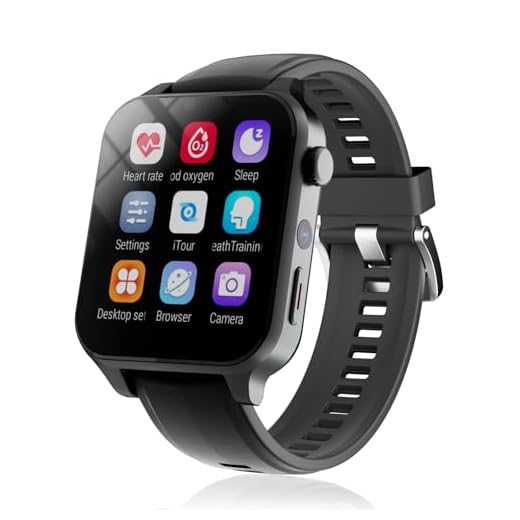
Practice is key. Engage with the community or use video resources to refine your technique, ensuring clarity and ease of understanding. By doing so, you strengthen your ability to express related ideas and concepts effectively.
Technique for Communicating About Timepiece
Utilize your dominant hand to create the shape of a “W” by bringing your thumb and three fingers together, while keeping your index finger extended. Position this hand shape close to your wrist area, replicating the movement of placing a timekeeping device onto your arm. Emphasize the motion by gently moving the hand away as if securing it in place.
Alternative Representation
An additional method involves forming a flat “5” handshape with your dominant hand. Place it to the side of your wrist, mimicking the action of adjusting or examining the device. This method highlights the functionality of the object, drawing attention to its purpose and significance.
Selecting the Right Sign for “Wrist Watch”
Choose clarity over ambiguity. The preferred gesture involves placing your non-dominant hand palm-up, mimicking the face of a timepiece. With your dominant hand, extend your index finger and gently tap the wrist area of the non-dominant hand. This visual representation is easily recognizable and associates directly with the concept of time tracking devices worn on the body.
Consider the context in which you’re using the gesture. If discussing a specific brand or style, be prepared to modify your movement to convey additional details. Adding facial expressions or body language can enhance understanding, especially in conversations where the topic switches to different models or features.
Practice with native users to gain feedback on your execution. Subtle differences in angle or movement can significantly alter comprehension. Engage with communities that use this form of communication for more natural interactions.
Understanding the Components of the Gesture
The representation involves specific hand shapes and movements that convey clear meaning. Focus on the position of the dominant hand. Typically, the fingers form a closed configuration, resembling a gripping motion as if holding an object. The non-dominant hand serves as a base, often in a flat or relaxed position, indicating support or foundation.
Handshape and Configuration
Utilize a circular configuration to symbolize the face of the timepiece, while the fingers form a compact curve to depict the band. Experiment with variations of this shape to find one that feels comfortable yet effectively conveys the concept. Consistency in handshape is critical for recognition, so practice will enhance fluidity.
Facial Expressions and Context
Incorporate facial cues to enrich the expression. Subtle changes in your eyes and mouth can significantly enhance the communicative aspect. For example, a slight nod or raised eyebrows can indicate familiarity with the subject. Also, adapt to the surrounding context; different settings may require adjustments in your implementation to ensure clarity and comprehension among your audience.
Practicing the Movement and Positioning
Begin with your dominant hand in a flat position, palm up. This serves as the foundation for the motion. Your fingers should be extended but relaxed, avoiding any tension.
To create the motion associated with the timepiece, simulate the act of strapping it on by rotating your wrist inward slightly. This will involve bending your wrist at the joint without causing strain.
Focus on these key elements:
- Keep your hand steady while performing the motion.
- Practice the fluidity of the movement by repeating it slowly at first, increasing speed as you gain confidence.
- Pay attention to the angle of your fingers and wrist to maintain accuracy.
For positioning, ensure your palm faces you initially. This orientation is vital for clarity in communication.
Use a mirror to observe your hand movements, which helps identify areas for improvement. It’s beneficial to practice in front of others for immediate feedback.
Incorporate this into your regular routine to build muscle memory. Repetition in short, focused sessions will reinforce the technique.
Consider using visual aids, such as videos or tutorials, to better understand the nuances of the movement. This multi-sensory approach will enhance learning and retention.
Incorporating Context in Your Signing
Understanding the situation can greatly impact the clarity and effectiveness of your gestures. When indicating timepieces, always consider the surrounding environment and the conversation’s subject. Tailor your movements and expressions to match the context in which a request is made or information is conveyed.
Adapting to Audience
Gauge the familiarity of your audience with the topic. For those knowledgeable about timekeeping devices, a concise depiction suffices. In contrast, a more detailed representation may be needed for those less informed. Adjust your level of detail according to their responses.
Contextual Cues
Incorporate situational variables by using relevant props or visual references. If discussing a specific model, include aspects like color or style through facial expressions or additional hand movements. This not only enhances comprehension but also engages the listener more effectively.
| Aspect | Recommendation |
|---|---|
| Audience knowledge | Adjust complexity based on familiarity |
| Contextual elements | Utilize props or visuals to enhance meaning |
| Detail level | Provide more information for less informed individuals |
Employing these strategies ensures clarity in communication and fosters a better understanding among participants. Context influences interpretation, so attentiveness to it will enhance interactions.
Common Mistakes to Avoid When Signing
Focus on maintaining clear hand shapes. Using incorrect formations can lead to misunderstanding. For instance, an improper grip can alter the perceived meaning of gestures.
Avoid inconsistent movements. A fluid and natural motion enhances clarity, while erratic gestures create confusion and can obscure your message.
Pay attention to your eye gaze. Engaging with your audience is key; looking away can signal disinterest or detract from the interaction. Direct your gaze towards the listener to enhance connection.
Don’t rush through expressions. Taking your time to articulate each component ensures better comprehension. Swift movements can result in misinterpretation and reduce the effectiveness of your communication.
Be mindful of the surrounding environment. Poor lighting or background noise can hinder visibility and focus, making it hard for others to interpret your gestures accurately.
Practice spatial awareness. Misjudging the distance between yourself and the audience may complicate visibility. Ensure you are within an appropriate range for clear communication.
Incorporate facial expressions, as they play a significant role in conveying emotion. Neglecting this aspect can lead to a flat delivery, diminishing the impact of your message.
Avoid neglecting cultural context. Understanding regional variations in gestures can prevent miscommunication and allow for more effective exchanges.
Resources for Further Learning
Consult video platforms such as YouTube for comprehensive tutorials featuring native users. Channels dedicated to manual communication often include detailed demonstrations and explanations.
Online Courses
Websites like Coursera and Udemy offer structured classes focused on manual communication. Many of these courses cater to various skill levels, allowing learners to progress at their own rhythm. Look for courses that provide interactive elements, enabling hands-on practice.
Books and Manuals
Explore literature specifically targeted at manual communication instruction. Titles that include visual aids can be particularly helpful, as they illustrate movements and positions. Additionally, comprehensive dictionaries on manual gestures can serve as valuable reference materials.
Join community groups or local clubs centered around manual communication. Engaging with peers provides opportunities for practice and feedback, enhancing proficiency.
Leverage mobile applications designed for learners, featuring interactive lessons and quizzes. These tools can reinforce skills while allowing for consistent practice in a convenient format.
Practice consistently with friends or partners. Regular communication using hand gestures promotes retention and boosts confidence.
Follow organizations dedicated to promoting manual communication. They often host events, workshops, and seminars that can greatly benefit learners seeking deeper knowledge and application.



