Ethan Cole
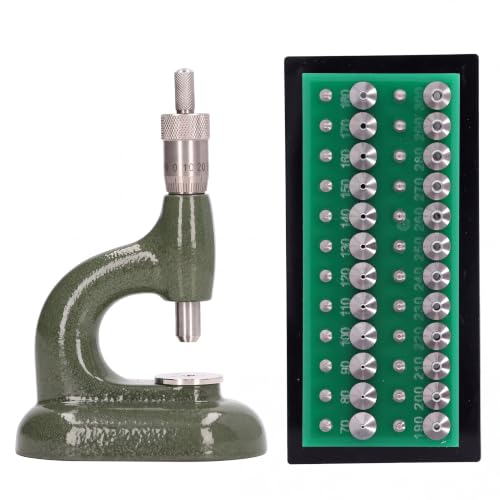
Begin by ensuring a clean and well-lit workspace. Gather tools such as a plastic knife or a case opener, which will allow you to access the casing without causing damage. Avoid using metal tools, as they may scratch or harm delicate components.
Next, locate the seam between the back cover and the main body of the mechanism. Gently insert your tool into this seam, applying light pressure to create a small gap. Listen for a click or pop, indicating that the cover has begun to loosen.
Continue to work around the perimeter, applying even pressure to gradually separate the back. If you encounter resistance, reassess your approach to avoid damaging any internal parts. Once open, familiarize yourself with the arrangement of gears and movements before proceeding with further exploration or maintenance.
Disassembling a Timepiece with No Fasteners
Utilize a case knife or a plastic pry tool to gently detach the case back of the timepiece. Insert the tool into the small notch or gap located on the edge of the case. Apply slight pressure to disengage the back cover without damaging the metal.


Removing the Movement
After the case back is removed, proceed to lift the movement out gently. Locate the small clips or retaining brackets securing the movement in place. Carefully disengage these components using tweezers, ensuring not to scratch the dial or damage the movement.
Extracting the Hands and Dial
For removing the hands and dial, employ a hand-removing tool. Carefully position the tool beneath each hand and lift them off the movement, working from the hour hand to the minute hand, and then the second hand. Once the hands are removed, unscrew or gently pry off the dial if it is secured by clips.
Identifying the Type of Watch Case
Examine the case material first. Common types include stainless steel, gold, silver, and plastic. Stainless steel is durable and often used in sport models, while precious metals convey luxury. Plastic cases are lightweight and typically found in casual styles.
Next, observe the case shape. Round cases are traditional and popular, while square or rectangular styles offer a modern aesthetic. Some brands feature unique shapes such as tonneau or cushion, which add character.
Check for water resistance ratings. Most models indicate ratings such as “30m,” “50m,” or “100m.” These signify varying levels of water resistance, affecting the disassembly process as water-resistant models sometimes have additional sealing mechanisms.
Identify if the case has a screw-down case back or is simply pressed fit. A screw-down requires specific tools to open, while a press fit can be gently pried open using a plastic tool to avoid damaging the material.
Look for specific case characteristics that may indicate a brand or model. Logos, engravings, and serial numbers found on the case back provide authenticity and can help in identifying the timepiece.
Lastly, consult documentation or brand resources if available. Instructions or manuals may provide insights specific to the model, aiding in accurate identification before proceeding.
| Type | Material | Water Resistance | Opening Mechanism |
|---|---|---|---|
| Sport | Stainless Steel | 100m | Screw-down |
| Dress | Gold | 30m | Press Fit |
| Casual | Plastic | 50m | Press Fit |
| Luxury | Silver | Water sealed | Screw-down |
Gathering the Necessary Tools for Disassembly
For successful disassembly of a timepiece lacking visible fasteners, assemble the right tools to ensure precision. A case opener is mandatory for accessing the inner components. Look for tools specifically designed for this purpose, such as knife-style or dome-case openers.
Additional Tools
A pair of tweezers, preferably anti-magnetic, will help in handling small parts without damage. A soft brush or lint-free cloth is essential for cleaning any dust or debris that may have accumulated inside. Magnifying glasses or jeweler’s loupe provide a closer inspection of intricate details, aiding in identification of parts.
Safety Precautions
Employ a soft mat or surface while working to prevent any damage to the components. Consider using a pair of gloves to avoid leaving fingerprints or oils on delicate surfaces. Proper organization of screws and parts is highly recommended; use small containers or compartments to avoid losing any pieces during the process.
Finding the Hidden Clips and Tabs
Examine the case back closely for any signs of clips or tabs. These may be small openings or notches that indicate where the case can be pried open. A magnifying glass can assist in spotting these components.
Use a thin blade or plastic prying tool to gently test the edges around the case. Apply slight pressure to areas where you suspect clips are located, listening for a click or snap sound that indicates a successful disengagement.
Inspect the lugs and sides of the case as well, as some models have hidden clasps that are easily overlooked. A flashlight can help illuminate these smaller mechanisms.
Different brands may follow unique designs; researching specific models can provide insight into common locations for these hidden elements. Online forums and disassembly guides often contain valuable diagrams or tips.
Be cautious while searching for clips; excessive force can damage the casing. If resistance is encountered, reassess the area to identify any overlooked points of entry.
Carefully Opening the Watch Case Without Damage
Employ a case knife or a similar tool to gently pry open the casing. Begin at one of the corners to reduce the risk of bending. Slide the tool beneath the edge and apply slight upward pressure. Move around the perimeter gradually, listening for a click as clips disengage.
Utilize a magnifying glass to locate any additional clips or tabs along the side. Inspect for small, recessed areas where tools may fit more effectively. Patience is critical; hastiness may result in scratches or misalignment.
Protect the surface with a soft cloth while working. This not only safeguards the timepiece but also provides grip on slippery surfaces. If resistance is felt, reassess the method; forcing the opening can cause irreversible damage.
Once the case separates, proceed carefully to avoid disturbing internal components. Keep track of all parts removed for smooth reassembly, ensuring each piece is free of dust or debris before closing the case again.
Successfully Removing the Movement for Inspection
To extract the movement from the casing, follow these specific actions:
- Ensure all previous steps are completed, including the identification of hidden clips and opening the case without causing harm.
- Gently grasp the movement using non-metallic tweezers or a movement holder to prevent damage to sensitive parts.
- Look for locating pins or additional retaining clips securing the movement in place–these may be subtle and require careful examination.
- Apply slight pressure in the appropriate direction, ensuring you do not force any parts. A smooth, deliberate motion is critical.
- Carefully lift the movement from the case, allowing any retaining components to release without removing the movement forcefully.
Inspecting the Movement
Once removed, inspect the movement for signs of wear, dirt, or any obstructions. Handle each part with care:
- Use a soft brush to clean any dust or dirt without damaging components.
- Check for rust or corrosion, particularly on exposed metal parts.
- Verify that all gears and springs move freely without obstruction.
Reassembly Tips
Before reassembling, ensure all components are in optimal condition. Test the movement in its open state before securing it back into the case:
- Manually wind or power the movement to check functionality.
- Listen for any unusual sounds–these can indicate misalignment or debris.
- Prepare to reinsert the movement by aligning any retaining clips carefully.
FAQ:
What tools do I need to take apart a wrist watch without screws?
To disassemble a wrist watch without screws, you’ll typically need a case knife or pry tool. These tools help you gently open the watch case without damaging it. A pair of tweezers is also useful for handling small parts, while a soft cloth can protect the watch face during the process. Depending on the watch design, you may need a small magnifying glass to see components more clearly.
What are the steps involved in taking apart a non-screw watch?
First, ensure the watch is clean and free from moisture. Use the case knife or pry tool to gently pry open the back cover, applying careful pressure along the seam. Once the case is open, observe how the movement is secured. If there are clips or pins, use tweezers to carefully remove them. If the movement is held in place by friction, gently lift it out using the tweezers. Take care not to touch the internal components too much, as they can be delicate. Finally, you can remove the hands and dial if necessary by using a hand removal tool, carefully lifting them straight off to prevent bending. Always take pictures as you go to ensure easy reassembly.
Are there any risks involved in taking apart a wrist watch without screws?
Yes, there are several risks to consider. Firstly, the internal components of a wrist watch are delicate and can easily be damaged if not handled properly. Mishandling can lead to scratches on the dial or cases, and small parts can be lost easily. Additionally, if you apply too much pressure while opening the case, you might crack or distort it. Moreover, if you are not familiar with the structure of the watch, you might inadvertently disassemble parts that you shouldn’t. It’s wise to proceed with caution and consider consulting a professional or watching tutorial videos for guidance.