Ethan Cole

To ascertain whether a timepiece is crafted from genuine precious metal, examine the case back for specific markings indicating the metal’s purity. Look for hallmark stamps, such as “10K,” “14K,” or “18K.” These numbers denote the percentage of gold present in the alloy.
Another method involves checking the weight of the item. Authentic gold is considerably heavier than its plated counterparts. If the timepiece feels lightweight, it may not have genuine metal content.
Conducting a magnet test can also provide insights. Real gold is not magnetic; if a magnet is attracted to the case, it indicates the presence of base metals.
Finally, consider consulting a professional jeweler or appraiser. They can conduct a more thorough examination, including acid tests, to offer a definitive assessment of the precious metal content and authenticity.
Identifying Authenticity of Elgin Timepieces Made from Precious Metals
Examine the case closely for any markings that indicate the metal’s composition. Look for stamps like “14K,” “18K,” or other designations of purity. Typically, these stamps are located on the back of the casing or on the lugs.
Conduct a magnet test. Genuine pieces crafted from precious metals will not be attracted to a magnet, while base metals often will be. This straightforward method can help determine the material of the outer shell.
Inspect for wear patterns. Authentic gold surfaces may exhibit signs of patina, which can suggest genuine metal rather than plated options. Look for consistent coloration without any peeling or flaking that is often associated with lesser materials.
Using a jeweler’s loupe can reveal finer details in the watch’s finish. Genuine precious metals have distinct textures and reflectivity that differ from gold-plated alternatives.
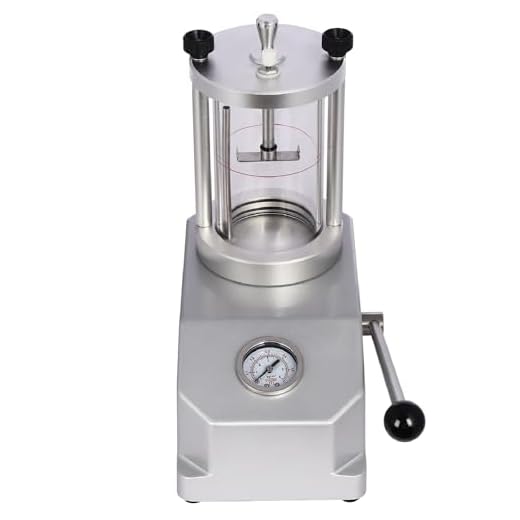
If doubts persist, consult a certified appraiser who can provide a thorough assessment and authenticity verification using the appropriate equipment and expertise.
Identifying Gold Markings on Elgin Watches
Examine the case back for specific stamps indicating the metal’s nature. Common markings might include “10K,” “14K,” or “18K,” which represent the purity level. Additionally, look for phrases like “Gold Filled” or “Gold Plated,” which denote different quality levels.
If no markings are visible on the back, inspect the lugs or the sides of the timepiece, as these locations often feature the same identifiers. Authentic pieces will typically showcase a manufacturer’s logo alongside the purity stamp.
Additional Markings
Research the serial number, as certain periods correspond to distinct manufacturing practices. Certain models may have specific indicators relevant to their gold content. Cross-reference this number with catalogues to gather more information on your piece.
Cleaning and Testing
Employ a magnet to check for authenticity. True precious metals will not respond to magnetic forces. To confirm the composition, a professional assay can provide more precise results, ensuring the material is genuine.
Maintaining the finish on these timepieces is vital. Use a soft, dry cloth for regular cleaning to preserve the integrity of the outer layer without causing scratches or damage.
Understanding Gold Types Used in Elgin Timepieces
Elgin timepieces feature different kinds of precious metals that contribute to their value and aesthetics. Recognizing these can enhance your appreciation of the craftsmanship involved.
Types of Precious Metals
- 14k Gold: Composed of 58.3% gold, this alloy balances durability with a rich hue, making it common in many Elgin models.
- 18k Gold: With 75% gold content, this variant offers a luxurious shine, often preferred for more ornate pieces.
- 10k Gold: Featuring 41.7% gold, 10k options are more resilient and widely used in functional designs.
Role of Other Metals
Alloys often include copper, silver, and nickel, which enhance hardness and color. These combinations affect patina and longevity.
A closer look at the metal content not only aids in valuation but also highlights the unique craftsmanship behind each piece’s design. Familiarity with these distinctions aids in recognizing true artistry in timekeeping devices.
Performing a Magnet Test for Gold Content
Using a magnet provides a quick assessment of the material composition of a timepiece. Authentic precious metal will not respond to magnetic fields, making this test straightforward. Begin by obtaining a strong magnet, preferably one used for testing metal properties.
Gently bring the magnet close to the item. If the watch attracts to the magnet, it likely contains non-precious alloys or other materials that are magnetic. A true metal with a high precious content will remain unaffected. However, some mixes of base metals may also possess non-magnetic properties; thus, this test alone isn’t conclusive.
Evaluate the Findings
If the result indicates non-magnetic behavior, further investigation is advisable. Consider checking for additional signs of precious materials, such as markings or weight. If the piece is heavy and shows no magnetic attraction, it could be a sign of high-quality metal-assuming it meets other authenticity checks.
Limitations of the Magnet Test
This method has its limitations. Certain types of gold-plated items may still be non-magnetic, and using the magnet cannot differentiate between various levels of authenticity or quality. Always combine this approach with other identifying features for a more comprehensive evaluation.
Evaluating the Watch Case for Authenticity
Inspect for any visible markings or engravings on the case that indicate material composition. Authentic pieces typically feature clear stamps such as “14K,” “18K,” or the trademark of the manufacturer. Pay attention to the case back; often, the hallmark is found there.
Analyze the weight of the case. Genuine items made from precious metals will usually feel more substantial than their base metal counterparts. If the piece feels unusually light, it may not be crafted from real alloy.
Examine the craftsmanship of the case. Look for smooth, polished surfaces without scratches or rough edges. Signs of mass production may suggest a lack of authenticity.
Assess the quality of the finish. Premium materials exhibit a luster that ordinary metals lack. If the surface appears dull or tarnished excessively, this could indicate lower quality metal.
Check the thickness of the case. Genuine timepieces feature a robust design, reflecting durability and quality, whereas imitations may appear flimsy.
Utilize a loupe or magnifying glass to observe the case’s details closely. Authentic models will display meticulous details, such as inscription clarity, that counterfeit variants often fail to replicate.
| Indicator | Authentic Watch | Counterfeit Watch |
|---|---|---|
| Markings | Clear stamps (e.g., 14K, 18K) | Vague or missing stamps |
| Weight | Hefty feel | Lightweight |
| Craftsmanship | Polished, smooth edges | Rough or uneven surfaces |
| Finish Quality | Bright, shiny appearance | Dull or excessively tarnished |
| Case Thickness | Robust and substantial | Thin and flimsy |
| Detail Clarity | Meticulous with clear inscriptions | Blurry or poorly engraved details |
Finally, consider consulting with a certified appraiser for expert evaluation if uncertainty persists. This step ensures accurate authentication and knowledgeable insights into the piece’s history and value.
Inspecting the Watch Band for Precious Components
Examine the band closely for any signs of metallic authenticity. Look for wear patterns; authentic pieces often retain their shine better than metal-plated alternatives.
Inspect for a hallmark or numbering, typically located at the clasp or inner side of the band. Such markings denote metal quality and can indicate whether the material contains real precious metal or is merely a coating.
Utilize a magnifying glass to check for inscriptions, which may reveal crucial information about the manufacturer and metal quality. Look for terms like “solid” or specific karat values.
Assess the band’s flexibility and weight. Authentic materials tend to weigh more than their plated counterparts, reflecting a more substantial quality.
Checking for discoloration
Observe any discoloration on exposed areas. Genuine pieces generally maintain their color better over time, while plated items may expose base metals underneath due to wear.
Testing the clasp mechanism
Evaluate the clasp; it should operate smoothly and feel durable. Weakness or inconsistency may indicate inferior construction or materials.
By taking these steps, you can determine the authenticity of the materials used in the band, ensuring a more accurate evaluation of its true value.
Consulting Professional Appraisers for Confirmation
Engaging a certified appraiser provides an accurate evaluation of the intricacies of your timepiece. Seek out experts who specialize in antique jewelry or vintage watches for precise assessments.
Selecting the Right Expert
Prioritize appraisers with experience in horology. Check their credentials and affiliations with recognized organizations, ensuring they possess a solid reputation. Look for reviews or testimonials from previous clients to gauge reliability.
Preparation for the Appointment
Before meeting the appraiser, gather relevant documentation, including purchase receipts, original boxes, and any previous validation reports. A comprehensive history can bolster the appraiser’s evaluation process.
During the assessment, expect the expert to check for authenticity markers, weight, and metal composition. This thorough analysis will provide clarity on your piece’s true value and composition.