Ethan Cole
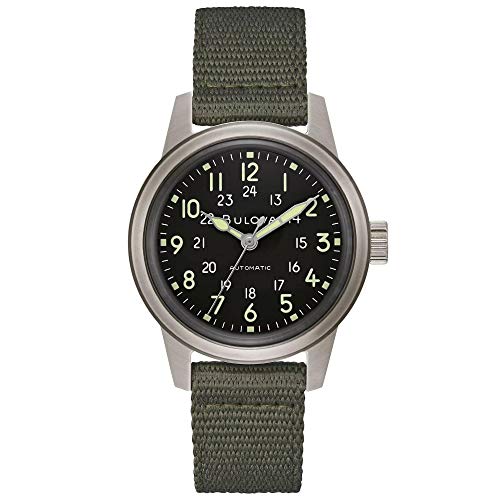
To reposition your timekeeping device during your gameplay session, first ensure that the item is in your inventory. Select it using your preferred action key, then access your gear management interface.
Once the interface is open, identify the current placement of the accessory. Drag it to your desired slot, ensuring that it fits the specific equipment layout your character employs. Validate that the adjustment meets your combat strategy, as having the accessory in a convenient position can enhance your situational awareness.
After relocating, exit the inventory screen to see the adjustments reflected in real time. This will help in assessing visibility and functionality for your character during intense encounters. Remember to frequently check your setup to align your gameplay style with any tactical changes required.
Adjusting the Orientation of Your Timepiece in the Game
To reposition your timepiece, open your inventory screen. Locate the item in your gear or bag. Click to select it, then drag the icon to the desired spot on your character’s wrist within the inventory interface. Release the mouse button to finalize the adjustment. This will allow you to view your gear more effectively during encounters.
Best Practices for Positioning
Ensure the timepiece is allocated in a spot that does not obstruct your visibility of other essential items. Consider arranging it near your weapon slot, as this facilitates quick access while engaging in combat. Always check visibility from different camera angles to optimize usability.


Potential Issues to Troubleshoot
If the timepiece fails to relocate as intended, ensure your inventory is not over-encumbered with items. A full inventory may restrict movement of certain gear. Additionally, try to log out and back in, as this can resolve minor glitches affecting item placement.
Understanding Watch Mechanics in Tarkov
To adjust the orientation of your timepiece seamlessly, familiarize yourself with its inner workings. Each device has a specific model, with varying features that dictate how adjustments are made. Access the in-game inventory, select the item, and inspect its properties carefully.
Key Elements of Watches
The mechanics involve both the casing and movement type. There are analog and digital variants, each with unique functionalities. Analog models require manual adjustments through the crown, while digital types may utilize buttons to switch views or modes.
Practical Tips for Efficient Use
Utilize the pause function in your gameplay to practice adjustments without the pressure of ongoing actions. Experiment with different settings by toggling through options to find the most useful configurations for your tactical situations. Monitor both the visual representation and the operational feedback from the device for optimal performance.
Understanding these fundamental aspects will enhance your interaction with your gear, providing tactical advantages in the immersive environment of the game.
Finding the Right Location to Rotate Your Timepiece
Select areas with minimal visibility to avoid drawing attention to your actions. Opt for locations that offer good cover, such as behind objects or in shadows, to enhance safety while maneuvering your accessory.
Consider these specific spots within the environment:
- Inside buildings with limited windows for privacy.
- Behind large crates or vehicles for added concealment.
- In dense foliage or corners that obscure your profile.
- Near extraction points during quieter periods.
Monitor the surroundings carefully. Assess player movements and nearby NPCs to time actions precisely. Avoid open areas where attention is likely to be drawn, and remain alert for other players who may pose a threat.
Once the area feels secure, utilize the environment to shield yourself effectively. This tactic minimizes risks associated with transitions and increases success rates in your operations.
Step-by-Step Guide to Modifying Your Timepiece
Begin with locating the adjustment mechanism, typically found on the side of the device. This is often a small knob or a series of buttons that allow you to manipulate the configuration of the item.
Step 1: Accessing the Mechanism
Gently pull the knob outward or press the necessary buttons to activate the settings. Ensure that this action is done delicately to avoid damage.
Step 2: Adjusting the Orientation
Once the mechanism is accessible, rotate it according to your preference. Some items permit a full rotation, while others may have limited movement. Refer to the manual for specific instructions related to your model.
| Step | Action |
|---|---|
| 1 | Locate the adjustment mechanism. |
| 2 | Gently pull or press to activate. |
| 3 | Rotate based on preference. |
| 4 | Finalize the adjustment by pressing back the knob or confirming the settings. |
Finalize your adjustments by ensuring everything is firmly in place. Test the item for accuracy to confirm the modification is successful.
Common Issues When Adjusting Your Timepiece
Incorrect angle adjustment can lead to misalignment. Ensure that the mechanism is facing the correct direction while shifting. If visuals that show the process are not clear, try referencing alternative guides for clarity.
Resistance in components may arise. Inspect for any dirt or obstructions in the gears that could hinder movement. Cleaning the device using a soft cloth can alleviate this issue, restoring smooth operation.
Watch performance can be affected by temperature changes. Extreme heat or cold can cause materials to expand or contract, influencing overall function. Keep your item at a stable temperature during adjustments to avoid complications.
Battery or power issues are common culprits behind malfunction. If the device suddenly stops working after adjustments, verify the battery status or source of power. A simple replacement may resolve the issue.
Don’t overlook the possibility of user error. Familiarize yourself with the specific mechanics of your item before making changes. Misunderstanding the adjustment process can lead to further complications.
Finally, improper tightness of screws or components may lead to instability. After adjusting, double-check all fittings to ensure everything is secure. Loose parts can create malfunctions or damage during usage.
Equipment Required for Watch Manipulation
For effective adjustment of your timepiece, specific tools are necessary. A precision screwdriver set is crucial for loosening and tightening screws without damaging components. Opt for a set with various sizes to accommodate different models.
A case back opener tool ensures seamless access to the inner workings. This tool prevents scratches on the casing while allowing easy removal of the back cover. It’s advisable to select one with interchangeable blades for versatility.
A soft cloth is essential for maintaining cleanliness during adjustments. It helps to remove fingerprints and dust from surfaces, ensuring clarity and precision in work. It’s recommended to use a microfiber cloth for optimal results.
Additionally, a magnifying glass or a jeweler’s loupe aids in close inspection of intricate details. This equipment ensures that small components are handled correctly and minimizes the risk of mistakes.
Gloves made from latex or cotton protect both your hands and the watch from oils and dirt. Keeping the timepiece clean during the process maintains its functionality and aesthetics.
Lastly, a suitable workspace with adequate lighting is important. Ensure your area is free from clutter to reduce distractions and potential errors during the manipulation procedure.
Tips for Practicing Watch Rotation Techniques
One of the most effective ways to enhance your skills is through consistent practice. Set aside time each day to focus specifically on manipulating your timepiece’s positioning.
Focused Drills
- Begin with basic wrist movements, ensuring fluidity and control.
- Incorporate varied angles to simulate different scenarios encountered in your gameplay.
- Record your attempts to analyze your progress and identify areas needing improvement.
Collaborative Training
- Partner with a friend to create exercises that require coordination and timing.
- Challenge each other with specific tasks, promoting competitive practice and skill enhancement.
- Attend workshops or online forums where enthusiasts share techniques and experiences.
Adapting to different environments is crucial. Practice in various settings to replicate the conditions of your in-game experiences.
Be mindful of your grip and hand positioning. Strengthen your dexterity by engaging in hand exercises.
Stay patient. Mastery comes with repetition and gradual refinement of techniques.