
 Ethan Cole

For a seamless transition from a traditional timekeeper to a stylish clip accessory, first gather essential tools: small screwdriver, pliers, and a sturdy clip mechanism. Begin by carefully removing the original strap from the casing. Ensure it’s done gently to avoid damaging the intricate components of your device.
Once the strap is detached, locate a clip that suits your aesthetic preference. A metal clip typically provides a robust hold while maintaining an elegant appearance. Align the clip with the watch casing where the strap was previously attached. Secure it using the screws removed earlier, ensuring that the mechanism is tightly fastened to prevent any future detachment.
Check the stability of your newly crafted accessory before use. This final touch guarantees that it remains reliable while worn. Personalize your clip device by adding charms or other decorative elements to make it uniquely yours. With these straightforward steps, a standard timepiece can become a fashionable and functional accessory.
Transforming a Timepiece into a Clip Variant
Begin by selecting a compact, reliable timepiece. Ensure it has a minimalistic design that will not hinder functionality.
Remove the strap or band with a precision screwdriver, being careful not to damage the attachment points. Clean the remnants of the old band to prepare the surface for new adaptations.

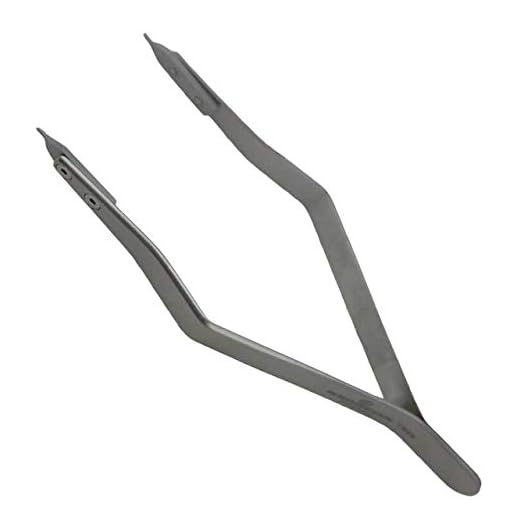
Acquire a sturdy clip mechanism, ideally one made from durable materials such as stainless steel or reinforced plastic. This will provide longevity and stability once attached.
Utilize a small drill to create corresponding holes in the casing of the timepiece, aligning with the clip mechanism for a secure fit. Ensure proper measurements to maintain a symmetrical appearance.
Affix the clip using small screws or adhesive specifically designed for metal-to-plastic bonding. Allow adequate drying time if using adhesive to ensure a solid hold.
Test the newly attached clip by securing it to various surfaces, such as a belt or pocket. Adjustments may be needed based on the clip’s fit and your personal preferences.
Optionally, for added personalization, consider painting or applying a decorative finish to the clip. This enhances visual appeal while ensuring the device remains functional and stylish.
Regularly inspect the connection for any wear or loosening, adjusting as necessary to retain optimal security when utilized.
Selecting a Suitable Timepiece for Modification
Focus on watches with a removable strap or bracelet, as this feature simplifies the conversion process. Look for models that utilize a traditional pin and hole system for attaching the band, allowing for easy disassembly.
Material Quality
Choose pieces crafted from durable materials such as stainless steel, titanium, or robust plastic. These substances ensure longevity and resilience during the transformation.
Size and Shape Considerations
Select models with a flat back to facilitate attachment to alternative surfaces. Additionally, aim for a compact size; larger designs may add unnecessary bulk once modified. Round or rectangular shapes tend to offer greater versatility when adapting for new uses.
Lastly, assess the movement type. Quartz mechanisms are preferable for their accuracy and low maintenance, while automatic movements provide aesthetic appeal through visible mechanics but may require more careful handling.
Gathering Required Tools and Materials for the Conversion
Begin with a sturdy work surface to provide stability during modifications. Gather the following essential items:
| Item | Purpose |
|---|---|
| Small screwdriver set | To remove screws from the case and strap. |
| Plier set | For gripping and bending metal components. |
| Knife or cutting tool | For trimming materials accurately. |
| Sandpaper or file | To smooth rough edges after cutting. |
| Adhesive | For securing components together. |
| Measuring tape or ruler | To ensure precise measurements during alterations. |
| Marker or pencil | For marking cuts and drill points on materials. |
| Replacement clips or attachments | To convert the original strap into a clip mechanism. |
| Protective gloves | For safety while handling tools and materials. |
| Work light | To ensure adequate visibility during the process. |
With these tools and materials, proceed with the transformation, ensuring all components are compatible with each other for a successful modification. Proper organization of your workspace will streamline the entire modification process.
Removing the Watch Band Safely and Effectively
Utilize a spring bar tool to detach the band from the casing. Insert the forked end between the band and the lugs, applying gentle pressure to compress the spring bar, allowing for easy removal.
Steps for Band Removal
- Place the timepiece face down on a soft cloth or surface to prevent scratches.
- Identify the area where the band meets the casing.
- Insert the spring bar tool into the gap and press down gently to disengage the spring bar.
- Pull the band away from the casing while keeping pressure on the spring bar.
Safety Tips
- Wear safety glasses to protect your eyes from any flying debris.
- Ensure workspace is well-lit for precision.
- Use a soft mat or cloth to catch small components, preventing loss.
- Avoid excessive force, as it can damage the casing or tools.
After removing the strap, inspect the spring bars for any signs of wear or damage. Replace if necessary to maintain stability in the modified design.
Creating a Clip Mechanism for the Timepiece Case
To establish a reliable attachment for the converted timekeeper, utilize a robust metal clip mechanism. Begin by selecting a clip that pairs well with the specific dimensions of the timepiece casing. Opt for stainless steel or brass for enhanced durability.
Steps for Implementation
First, disassemble the exterior of the timekeeper to expose the shell. Carefully measure the casing’s thickness and shape to ensure a snug fit for the clip. Mark where to mount the clip using a fine marker, ensuring alignment on both sides.
Utilize a precision drill to create holes where necessary, a technique crucial for securing the clip firmly. After drilling, deburr the edges to prevent any sharp ends from causing damage or discomfort. Attach the metal clip using screws or rivets, ensuring each connection is tight and stable.
Testing the Mechanism
Once the clip is securely in place, conduct a functionality test. Clip the timepiece onto various fabrics and surfaces to assess its hold. Adjust the tension of the clip if necessary for improved grip without sacrificing ease of removal.
Finally, reassemble the casing, ensuring no components are left loose. The result should be a seamless integration, transforming your timekeeper into a functional accessory. Regularly check the clip for wear and make adjustments as needed to maintain optimal performance.
Attaching the Modified Timepiece to the Clip
Begin by positioning the modified timepiece securely against the clip mechanism. Ensure that the back of the timepiece is aligned correctly for a stable placement. Use a drill if necessary to create small holes in both the modified case and the clip for securing purposes.
Securing the Attachment
Employ small screws or rivets to fasten the timepiece to the clip. It is advisable to use a Loctite glue on the screws for added reinforcement. Tighten each screw carefully to avoid damaging the components. Verify that the attachment is firm by gently shaking the clip; it should hold without wobbling.
Final Adjustments
Check the orientation of the timepiece on the clip to ensure the face is easily visible. If adjustments are needed, release screws and reposition before tightening again. Once satisfied, clean any excess adhesive and perform a final check of the functionality. The mechanism should allow for smooth attachment and detachment from various surfaces.
Testing and Final Adjustments for Optimal Use
Begin testing your converted timepiece by securing it to your intended attachment point. Ensure that the mechanism holds firmly during movement.
Check the functionality of the timekeeping elements. Confirm that all features, such as the hands, display, and any secondary functions, operate without interference from the new attachment.
Focus on comfort and accessibility. Adjust the clip’s orientation for easy viewing of the face while ensuring it doesn’t pinch or restrict movement.
Apply slight pressure to the clip mechanism at various angles to assess durability. If any looseness is detected, reinforce the connection with additional adhesive or screws accordingly.
Observe whether the attachment affects the timepiece’s accuracy. A stable clip should not impede the natural mechanics of the device. Modify the clip structure if excessive vibrations occur.
Conduct a series of practical tests over the course of a day or week to assess everyday usability. Adjustments may include reallocating weight distribution or enhancing grip if the device shifts during movement.
Finally, review the aesthetic integration of your adaptation. If necessary, consider painting or modifying the clip for a cohesive appearance, ensuring that functionality remains uncompromised.


