
 Ethan Cole

Choose a piece that complements your outfit rather than competes with it. A timepiece with a subtle design can gracefully enhance a casual ensemble, while a more intricate model can serve as a statement accessory for formal occasions.
Positioning the accessory correctly is key to both comfort and style. Place it a few centimeters above the wrist bone for optimal fit. This not only ensures that it rests securely but also allows it to be easily visible without being obtrusive.
Mixing materials can add a layer of sophistication. Pairing metallic finishes with leather or fabric straps can create an interesting contrast. Don’t hesitate to experiment with different textures to discover what feels right for you.
Consider the proportions of your arm and hand. A chunky design may overwhelm slender wrists, while a delicate piece could get lost on a broader frame. Tailoring the choice to your specific body type ensures that the accessory looks intentional and stylish.
Lastly, layering can create an elegant effect. Combine your timepiece with bangles or slim bracelets to achieve a chic multi-layered look. Just ensure that the additional pieces harmonize in color and style for a cohesive appearance.

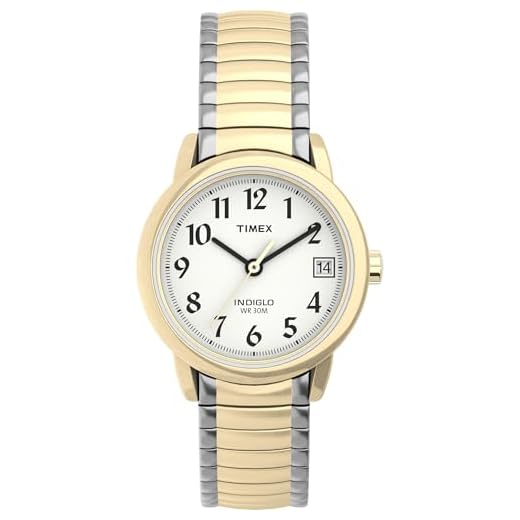
Position and Style Tips for Attire Coordination
Position the timepiece on the non-dominant wrist to allow ease of use, especially for tasks requiring dexterity. Adjust the fit so that it sits comfortably without sliding excessively or constricting blood flow.
Complementing Outfits
Ensure harmony between the accessory and clothing. Consider these pairings:
- Casual Wear: Opt for leather straps or fabric bands.
- Business Attire: Choose metal or elegant timepieces for a polished look.
- Evening Dresses: Sparkling or decorative designs add sophistication.
Layering Techniques
Combine multiple pieces for visual interest:
- Stack bracelets alongside the timepiece for a playful touch.
- Balance with contrasting metals or colors for a stylish effect.
- Avoid overcrowding; maintain space to retain elegance.
Choosing the Right Size of Timepiece for Your Arm
Selecting the appropriate dimensions of a timekeeping device is crucial for both aesthetics and comfort. Follow these guidelines to find the perfect fit:
Measure Your Arm
- Use a flexible measuring tape or piece of string to wrap around the part of your arm where the timepiece will sit.
- Record the measurement in centimeters or inches for accuracy.
Consider Case Diameter
- Smaller diameter (26mm-34mm) suits those with slender arms, providing an elegant appearance.
- Medium (34mm-40mm) is versatile, fitting a range of physiques and styles.
- Larger cases (40mm and above) complement broader frames but can overwhelm a delicate structure.
Evaluate Strap Width
- Straps should proportionately match the case size; wider straps often pair well with larger faces.
- Opt for thinner straps with smaller cases to maintain balance and harmony.
Check for Comfort
- Ensure the timepiece lays flat against your skin without pinching or sliding.
- Adjustability is key; many bands come with options for size modifications.
Finding the ideal size enhances not only your look but also the comfort of your accessory. Regularly reassess fit, especially with style changes or weight fluctuations.
How to Style Your Timepiece with Different Outfits
Pair minimalist designs with casual attire for a chic look. A sleek silver or leather band complements denim, shorts, and simple tees effortlessly. Opt for neutral colors to maintain a balanced vibe.
Office Attire
Add sophistication to professional outfits by choosing elegant models featuring subtle embellishments. A gold or silver tone highlights blouses and tailored pants. Avoid overly flashy pieces to maintain a polished appearance.
Evening Wear
Enhance elegant dresses with sparkling jewels or vintage-inspired designs. A bold face or intricate details can serve as a statement accessory. Match the metal with jewelry to create a harmonious ensemble.
Adjusting the Band for Comfort and Fit
Ensure the band fits snugly around the arm without being too tight. A good method is to slide a finger beneath the strap; it should fit comfortably with minimal resistance.
Steps to Adjust
1. Identify the adjustment points. Most bands come with links that can be added or removed for a perfect fit.
2. Use a small tool to carefully remove the necessary links or adjust the clasp, depending on the design.
3. Check the fit after each adjustment to avoid over-correction.
| Adjustment Type | Description |
|---|---|
| Link Removal | Ideal for metal bands; remove excess links to tighten. |
| Clasp Adjustment | Common in leather or nylon; adjust the clasp for easy resizing. |
Additional Tips
Monitor the fit through the day. As temperatures fluctuate, so can the band’s comfort. Aim for a balance between snugness and movement.
Regularly inspect the strap for wear. Damaged materials can affect both fit and comfort. Replace any worn bands promptly.
Layering Your Timepiece with Bracelets and Accessories
Opt for a mix of materials and textures to enhance a timekeeper’s presence. Combine delicate chains, chunky bangles, and beaded bracelets for a unique aesthetic. Arm candy can include pieces made of gold, silver, leather, or fabric to create visual interest.
Balance and Proportion
Achieve balance by selecting accessories that complement the size and design of your timepiece. For larger pieces, consider fewer, more substantial bracelets that don’t overwhelm. Conversely, with a streamlined design, layering multiple delicate items can create an elegant look.
Color Coordination
Ensure harmony in color choices. Metallic tones should match or contrast well with the watch’s casing. If a timekeeper features vibrant colors, coordinate bracelets in shades that harmonize or match the palette for a cohesive appearance. Experiment with different hues to express personal style creatively.
Maintaining Your Timepiece for Longevity and Care
Regularly clean the exterior with a soft, lint-free cloth to preserve its shine and remove dirt or moisture. For metal bands, use a gentle soap solution and a soft brush to eliminate stubborn grime. Avoid abrasive materials that may scratch the surface.
Battery and Movement Care
Check the battery regularly, replacing it as needed to ensure accuracy. Mechanical variants require periodic winding; follow specific guidelines from the manufacturer. If it stops functioning, consult a professional to assess the movement.
Storage and Protection
Store in a padded box or a specific case to prevent scratches. Avoid exposure to extreme temperatures and humidity, which can damage internal components. Consider using a watch winder for automatic models to maintain optimal function.



