
 Ethan Cole

Opt for a position just above the wrist bone for comfort and style. This placement allows for easy readability while ensuring that the accessory doesn’t obstruct movement. The band should fit snugly without constricting blood flow; a loose fit can lead to the timepiece sliding around and becoming cumbersome.
Select the right size according to your wrist; larger faces may overwhelm slender arms, while smaller dials may get lost on broader wrists. A good rule of thumb is to choose a model where the case diameter is roughly half the width of your wrist. Additionally, consider the thickness of the band; wider bands can enhance a bold statement, whereas slimmer variants lean towards understated elegance.
Match your choice to the occasion. A classic leather strap pairs well with formal attire, while metal links bring a contemporary flair suitable for business casual. Casual settings allow for more playful designs or sporty options, accommodating personal style preferences.
Lastly, pay attention to bracelet length. Ensure it’s adjusted to allow a bit of movement without sliding excessively. This not only showcases the timepiece beautifully but also keeps it secure during daily activities, promoting longevity and consistent wear.
Optimal Methods for Donning Timepieces
Position the band just above the wrist bone, ensuring comfort and ease of movement. This positioning allows for accurate time-checking without compromising flexibility.
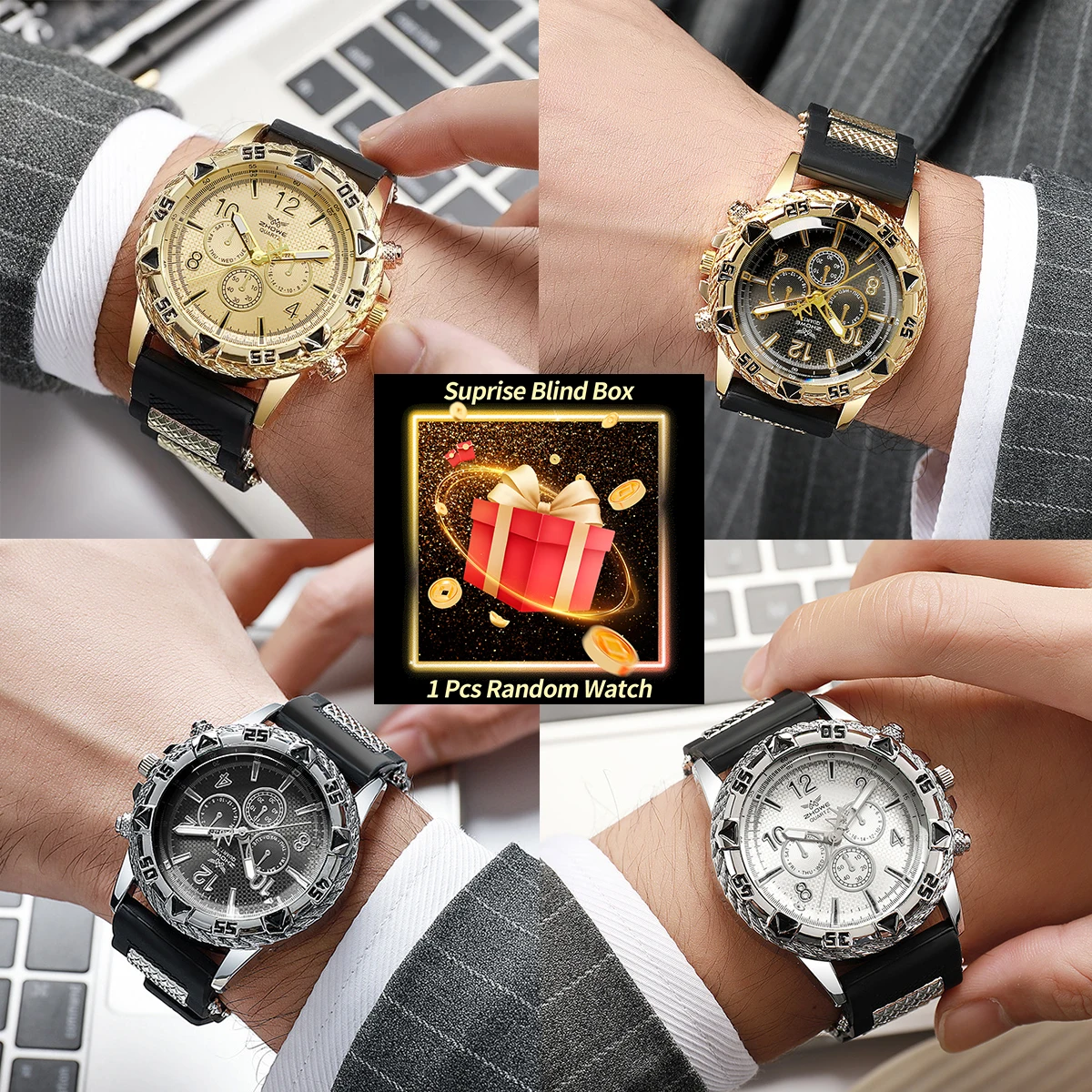

Choose a band that complements your attire. Leather straps work well with formal outfits, while metal bracelets suit both business and casual looks. Consider materials that align with the occasion.
Adjust the fit to prevent excessive movement. A snug yet comfortable fit prevents slipping while retaining aesthetic appeal. Too loose can lead to discomfort, while overly tight can restrict circulation.
Coordinate your accessory choices. If pairing with other jewelry, maintain a consistent style–mixing casual and formal pieces may clash visually. Aim for a cohesive look that enhances your overall presentation.
Opt for appropriate sizing. A timepiece should not dominate your wrist but rather enhance it. Keep proportions in mind–smaller watches suit slender wrists, while larger ones complement broader frames.
Select placement based on activity. For athletic conditions, adjust to a secure fit, while more relaxed environments allow for looser settings. Context matters for both utility and style.
Maintain cleanliness by regularly wiping the exterior and checking the band for wear. A well-maintained piece reflects attention to detail, contributing positively to your overall appearance.
Choosing the Right Timepiece for Your Style
Select a style that complements your attire. For formal events, opt for classic designs featuring leather bands and minimalist dials. Casual outings allow for more experimentation; consider sporty models with bright colors and durable materials.
Materials and Bands
Analyze the materials used in construction. Stainless steel offers durability and elegance, while titanium is lightweight and hypoallergenic. Leather provides a sophisticated touch, yet fabric bands can introduce a laid-back vibe.
| Style | Band Material | Recommended Occasion |
|---|---|---|
| Dress | Leather | Formal Events |
| Sport | Rubber | Outdoor Activities |
| Casual | Fabric | Everyday Wear |
| Dive | Stainless Steel | Swimming or Diving |
Size and Fit
Choose the correct dimensions for your wrist size. A timepiece should sit comfortably without sliding around. For slimmer wrists, smaller cases (38-42mm) work best, while average to larger wrists can accommodate cases from 42mm and above.
Adjusting Your Timepiece for Comfort
To achieve a comfortable fit, ensure the band sits snugly on your arm without pinching or moving excessively. Follow these guidelines:
- Use a sizing tool: Consider visiting a jeweler or retailer equipped with tools to adjust links for metal bands.
- Band material matters: Leather should conform to your wrist over time, while rubber and nylon tend to maintain their form. Choose a material that feels comfortable against your skin.
- Check for movement: A well-fitted accessory should allow for slight lateral movement but should not slide too freely. Ideally, you should be able to fit a finger between your skin and the band.
For clasp adjustments:
- Deployant clasps: These often allow for small size modifications. Experiment to find the ideal tightness.
- Pin and buckle mechanisms: Adjust using the provided holes, ensuring the band secures without excess slack.
Regularly inspect the fit of your piece, especially after extended wear. An adaptable strap can significantly enhance your overall experience. Invest time in achieving that perfect feel.
Positioning the Timepiece on Your Arm
The optimal placement of your timekeeper is typically just above the wrist bone. This position not only enhances visibility but also ensures comfort. When adjusting, ensure that the band is snug but not overly tight; one should be able to slide a finger comfortably underneath the strap.
Left or Right?
Choosing the appropriate arm largely depends on personal preference and daily activities. For right-handed individuals, placing the device on the left arm is common. Conversely, left-handed individuals might opt for the right. Consider potential conflicts with activities such as writing or using tools that may cause discomfort or damage to the piece.
Consider Your Outfit
The style and color of your ensemble can influence the positioning of the accessory. If dressing formally, a classic approach is to position it closer to the wrist for a streamlined look. Casual attire allows for slightly looser positioning, which adds a relaxed vibe to the overall presentation.
Coordinating Timepiece with Outfits
Select accessories that complement the ensemble: leather bands pair elegantly with formal attire, while metal bracelets enhance business casual looks. Consider the color palette of your clothing. A silver or gold finish can either harmonize or contrast beautifully with your overall scheme.
Casual Outfits
For everyday wear, opt for sporty designs or minimalist styles that suit relaxed clothing. A rugged piece matches well with denim and casual shirts, adding character without overwhelming your look.
Formal Attire
Choose classic styles with refined details for suits or tuxedos. A sleek, understated model in leather or metal can elevate your overall appeal. Ensure the color of the strap or band aligns with your shoe choice to create a cohesive appearance.
Caring for Your Timepiece While Wearing It
Regularly clean the band to maintain hygiene and appearance. A damp cloth with mild soap can remove dirt and oils. For metal bracelets, consider a soft brush for deeper cleaning in difficult areas.
Shield against moisture by removing the piece before swimming or showering, unless specifically designed to withstand water. Water resistance does not equate to waterproof; verify your model’s specifications.
Avoid exposing the device to extreme temperatures, which can impact performance. Keep it away from direct sunlight and heating sources.
Be cautious during physical activities. While many styles are durable, rough impacts can cause scratches or damage the internal mechanism. If engaging in sports, consider a sportier alternative.
Store it properly during long periods of inactivity. A soft pouch or dedicated case protects from scratches and dust buildup. If your piece has a mechanical movement, regular winding ensures functionality.
Regularly check and adjust the fit to avoid pinching or excessive movement, which can cause wear over time. A snug but comfortable fit is key for long-term enjoyment.


