
 Ethan Cole

Utilize a flexible measuring tape for precise results. Wrap it snugly around the area just above the bone of the arm, ensuring it lies flat against the skin. Record the measurement where the tape overlaps. If a measuring tape is unavailable, a strip of paper or string can serve as an alternative. Mark the point where it wraps around, then measure that length with a ruler.
Once you have the circumference, compare it with sizing charts provided by manufacturers. Most brands categorize sizes into small, medium, large, and extra-large. Understanding these categories aids in selecting the ideal model that not only fits comfortably but also complements personal style.
Consider the thickness of the band as well. A bulkier strap might require slight adjustments in the fit. If you prefer wearing the accessory more loosely, account for that preference in your measurement. Always remember, comfort coupled with style enhances the overall experience of wearing any timekeeping device.

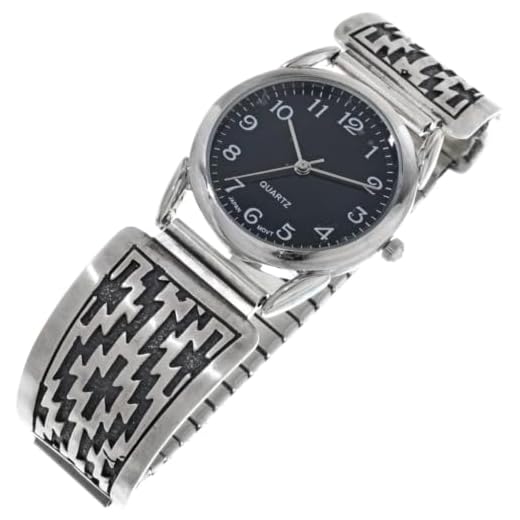
Measure the Ideal Fit for Your Timepiece
Wrap a soft measuring tape snugly around the desired area, ensuring a comfortable fit without tightness. Note the measurement in either inches or centimeters, as this will guide your selection.
If a measuring tape is unavailable, use a piece of string or a thin strip of paper. Mark where the two ends meet and measure that length with a ruler.
Recommended Size Ranges
| Size Category | Wrist Measurement (inches) | Wrist Measurement (cm) |
|---|---|---|
| Small | 6 – 7 | 15 – 18 |
| Medium | 7 – 8 | 18 – 20 |
| Large | 8 – 9 | 20 – 23 |
Adjusting for Comfort
After determining the length, consider the watch’s band style and adjustability. Leather or metal bands may require additional links or holes for optimal comfort, while fabric bands often feature velcro or adjustable clasps.
Choosing the correct fit not only enhances comfort but also ensures the longevity of the timepiece and its strap. Test various styles to find the one that feels best.
Gather Necessary Tools for Accurate Measurement
A flexible measuring tape is ideal for obtaining precise dimensions. Choose one that easily contours to the shape of the arm.
If a tape is unavailable, a piece of string or thread can serve as a suitable alternative. Mark the point where it overlaps to determine the length.
A ruler or a straight measuring stick is required to measure the marked string accurately, ensuring a correct reading.
A notepad or digital device can be useful to record the measurement, preventing errors from forgotten values.
A pen can assist in marking points when using a string, ensuring clarity in the process.
Determine the Measurement Method: Tape Measure vs. String
A flexible tape measure provides the most accurate results. It conforms to the contours of the arm, ensuring precise placement for an exact reading. Make sure the tape is snug but not tight to account for comfort.
Using a Tape Measure
Wrap the tape around the desired area where the accessory will sit, usually below the bone. Read the measurement directly on the tape for a straightforward result, ensuring the tape lies flat against the skin without gaps.
Using a String
If a tape measure is unavailable, a piece of string or thread can suffice. Wrap it around the same area, making sure it is neither too loose nor too tight. Mark the point where the string meets, then measure the length against a ruler for an accurate calculation.
While both methods work, a tape measure is recommended for optimal precision. Always double-check the results to ensure the best fit.
Measure Your Wrist: Step-by-Step Instructions
Wrap a flexible measuring device snugly around the arm where a timepiece will sit, taking care to avoid constriction. Note the measurement directly where the end of the tape or string meets its length.
For a more precise reading, follow these steps:
- Ensure the measuring tool is flat against the skin.
- Hold the end of the tape or string firmly without pulling too tightly.
- Mark the point of overlap for string, or read the value off the tape if using one.
For consistency, repeat the measurement two or three times, noting any discrepancies. Choose the largest figure to account for comfort during wear.
Transfer measurements into standard sizing charts to determine suitable sizes. Remember to consider preferences for tightness or looseness based on personal style.
Account for Comfort: Choosing the Right Fit
Consider selecting a size that provides a snug yet comfortable hold. A good rule is to allow for a small gap between the skin and the timepiece, enabling air circulation and preventing irritation during extended wear.
Evaluate Band Width
The width of the band plays a role in comfort. A broader strap can distribute weight more evenly; however, it may not suit everyone’s taste. Experiment with various widths to find the perfect balance.
Adjust for Activity Level
Your daily activities dictate the level of comfort needed. More dynamic lifestyles may benefit from a looser fit, while a snugger hold works for less vigorous routines. Always consider how the timepiece feels during movement.
Choose materials that offer flexibility and breathability. Leather, silicone, and fabric options can enhance comfort, especially in warmer conditions. Pay attention to the lining of the strap; softer materials reduce the chances of chafing.
Finally, take the time to try different placements on the arm. Some prefer the timepiece positioned closer to the hand, while others opt for a higher placement. Finding the right spot is key to ensuring a pleasant wearing experience throughout the day.
Consider Different Watch Styles and Their Requirements
Selecting a timepiece involves understanding various designs and their specific dimensions. Different styles cater to distinct preferences, and each has unique measurement requirements.
Dive Watches
- Typically bulkier; account for thickness and additional features like bezels.
- A snug fit ensures security during underwater activities.
Dress Watches
- Usually sleeker and more refined; aim for a balance between elegance and comfort.
- Consider shorter straps or slim cases for a sophisticated appearance.
Sports Watches
- Must withstand physical activity; a firmer fit is recommended to prevent slippage.
- Opt for models with adjustable straps to accommodate various levels of activity.
Smartwatches
- Often bulkier due to technology; ensure a comfortable yet secure fit for daily use.
- Adjustable features may provide better compatibility with varying clothing styles.
Matching the chosen timepiece style with the right fit enhances not only aesthetics but also functionality. Choose wisely to reflect personal style while ensuring practicality.
Adjusting Your Measurement: Tips for Unique Wrist Shapes
Consider individual anatomy when measuring. For anatomical variations such as bony or muscular features, take multiple measurements at different points around the circumference. This aids in identifying the widest area, ensuring a snug but comfortable fit.
Accommodating Wider or Thicker Joints
If experiencing broader joints, focus on how the watch will sit above these areas. Ensure enough space is accounted for in the measurement to prevent pinching or discomfort. A strap that can flex or adapt, such as leather or a mesh band, may suit better.
Dealing with Narrower Shapes
<pFor slender structures, aim for a precise fit without excessive slack. Using a cloth tape or string that closely follows the contour can enhance accuracy. Consider watches with adjustable straps that can be customized to avoid a bulky appearance.
FAQ:
How do I accurately measure my wrist for a watch?
To measure your wrist for a watch, use a flexible measuring tape. Wrap the tape around the wrist just above the bone and note the measurement. If you don’t have a measuring tape, you can use a piece of string to wrap around your wrist, marking the point where it overlaps, and then measure that length with a ruler. This method will give you an accurate wrist size, helping you choose a watch that fits comfortably.
What are the different sizes of watch straps, and how do I choose the right one?
Watch straps typically come in various sizes, ranging from small (approximately 6 inches) to large (about 8 inches) and beyond. After measuring your wrist, compare your measurement to the sizing chart provided by the watch manufacturer. If your wrist falls between two sizes, it’s generally better to go for the larger size to ensure comfort. Additionally, consider the watch style; some watches look better with a snug fit, while others may require a looser strap for aesthetics.
Why is it important to have the right watch size, and how can I adjust it if necessary?
Wearing a watch that fits properly is important for both comfort and functionality. A watch that is too tight can cause discomfort, while one that is too loose may slide around, which can be distracting or even lead to damage. If adjustments are needed, many watches come with removable links or straps that can be adjusted at home. Alternatively, visit a jeweler to have the strap fitted correctly. Maintaining the right size enhances your overall wearing experience.


