
 Ethan Cole

To initiate the rejuvenation process for your vintage time keeper, locate the winding crown, typically positioned on the side of the case. Rotate it clockwise gently to start charging the mechanism. It usually takes around 15 to 20 turns for a full reserve, depending on the model.
Should the crown be resistant, apply a light, consistent pressure while turning. Avoid excessive force, as this could cause damage to the internal gears. After achieving the desired tension, ensure the crown is securely pushed back in or twisted to its original position to protect the internals from dust and moisture.
If your timepiece features additional complications, such as a date function, advance the time to just before midnight and then adjust the date by pulling the crown to the appropriate position. This precaution avoids potential mechanism malfunctions.
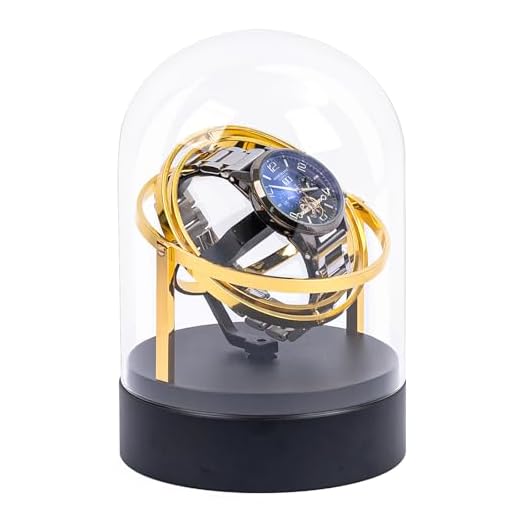

Finally, give your treasured timepiece a gentle shake to distribute the power within the movement. Your restored accessory will be ready to accompany you once more, keeping time with a touch of nostalgia.
Winding Techniques for Vintage Timepieces
Begin by identifying the type of crown your timepiece features. Some models possess a screw-down crown that requires unscrewing before being pulled out to its first position. In contrast, others simply pull out without any additional steps.
Once the crown is in the correct position, turn it gently in a clockwise direction. Count approximately 15 to 20 full rotations as a guideline, as this typically provides sufficient tension. Avoid over-winding, which can damage the internal mechanism.
After winding, return the crown to its original position and, if applicable, screw it back down securely to maintain water resistance. If the timepiece has a date function, adjust the time carefully to avoid damaging the date change mechanism, typically best done by skipping over the 12 o’clock mark.
For automatic models, ensure regular usage or store them in a winder to maintain optimal performance. If not worn frequently, manual winding may be necessary to keep the gears lubricated and functioning smoothly.
Finally, if the watch shows signs of malfunction or incorrect timekeeping after winding, consult a professional for maintenance or repairs to preserve its longevity.
Identifying the Type of Mechanism
To determine the mechanism type of your timepiece, first check whether it requires manual winding or is self-winding. Manual mechanisms typically have a crown that must be twisted to store energy. Self-winding varieties harness energy from wrist movement.
Visual Inspection
Examine the case back. If it’s transparent, you might see the rotor of a self-winding model. A solid case back suggests a manual version. Look for markings indicating the brand and model, which can often lead to information about its inner workings.
Weight and Feel
Consider the weight. Mechanical pieces, especially those with intricate movements, tend to feel heavier than quartz counterparts. If it’s significantly lighter, it may be powered by a battery instead.
Research the brand and model online for specifications. Manufacturer websites or watch forums can provide insight into the mechanism type. Collecting this data will guide you in the proper care and maintenance of your timepiece.
Understanding the Winding Process for Manual Timepieces
Utilize a gentle but firm rotational motion for the crown to initiate the movement of a manual timepiece. This procedure typically involves turning the crown clockwise.
Follow these steps for an optimal experience:
- Ensure the timepiece is in a comfortable position, held securely in one hand while using the other to manipulate the crown.
- Twist the crown approximately 15-20 times, which is generally sufficient to provide power for one to three days, depending on the specific mechanism.
- If resistance is felt during operation, cease to avoid damage; the movement may be fully wound or malfunctioning.
- After winding, set the time carefully using the correct method dictated by the specific model to maintain accuracy.
Regular winding can enhance the longevity of the mechanism and ensure precise timekeeping. Always consult the manufacturer’s guidelines if available.
Using the Correct Technique for Automatic Timepieces
Ensure the crown is in the correct position for self-winding. For models with a screw-down crown, unscrew it gently until it loosens. This allows for exposure to the winding mechanism.
Gently rotate the crown in a clockwise direction. This motion engages the rotor, which is responsible for converting movement into energy. Aim for about 30 to 40 full turns to ensure adequate energy reserves.
Be mindful of the crown’s resistance. If you feel any resistance while turning, stop immediately. Forcing the crown could damage internal components.
Daily Maintenance and Care
To keep the timepiece functioning optimally, wear it regularly. Automatic models are designed to wind through the natural motion of the wrist, so consistent use is essential.
If not worn for an extended period, consider using a watch winder, which simulates wrist movement and maintains the energy reserve. This prevents the lubricants inside from settling and promotes longevity.
Checking Power Reserve
To verify the power reserve, give the crown a few turns, then observe performance. If the second hand operates smoothly, the energy is sufficient. If it stops, it may require more manual engagement.
Recognizing Signs of Over-Winding Your Timepiece
Pay attention to unusual resistance when turning the crown; a stiff mechanism often indicates excessive tension. If the movement exhibits irregular ticking or skips, this could signify the mainspring has been over-stressed. Listen for unusual noises, such as grinding or clicking, which may suggest that internal components are strained due to over-winding.
Common Symptoms
Monitor your timepiece for these specific signs:
| Symptom | Explanation |
|---|---|
| Stiff Crown | Increased force required to turn the crown may signal excess torque on the mechanism. |
| Irregular Ticking | Inconsistent or irregular ticking sounds can indicate underlying mechanical strain or malfunction. |
| Noises | Unexpected grinding or clicking sounds often point to an overburdened mainspring or gear misalignment. |
Actions to Take
If signs of over-tension appear, cease activity immediately. Allow the mechanism to rest, then assess its functionality after a period. If issues persist, consult a professional for evaluation and potential servicing to prevent permanent damage.
Maintaining Your Timepiece for Longevity
Regular cleaning is crucial. Use a soft, lint-free cloth to remove dust and oils. For deeper cleaning, a gentle soap solution can be applied, ensuring no moisture enters the casing.
Service your timepiece every 3 to 5 years. This should include disassembly, lubrication, and inspection of parts. A qualified technician will ensure all components function smoothly.
Store your accessory in a protective case or watch box to prevent scratches and damage. Keep it away from extreme temperatures and humidity, which can affect its performance.
Avoid exposing your timepiece to strong magnetic fields, as this can disrupt the movement. Electronics and certain household items can emit strong magnetic forces.
Be mindful of water resistance ratings. Always ensure that the crown and case back are securely closed before exposure to water. After any exposure to water, dry your watch with a soft cloth.
When to Seek Professional Help for Your Timepiece
Contact an expert if your mechanism exhibits irregular ticking or if the movement has stopped entirely after correct handling. Signs of moisture damage, such as fogging under the crystal or corrosion on the case back, necessitate immediate professional assessment.
Indicators for Professional Service
- Persistent time discrepancies despite resetting and adjustments.
- Unusual noises during operation suggest internal issues.
- Visible damage on the casing or glass requires attention.
- Strap or bracelet malfunctions that hinder secure wearing.
When Repair or Restoration is Needed
- If battery replacement fails or the new battery does not last.
- Internal components are damaged or have broken parts.
- Case refinishing or polishing needed to restore aesthetic appeal.
- Regular maintenance schedules not followed, particularly for vintage models.
Engaging with a trained technician can prevent further harm and ensure longevity for your cherished piece. It’s advisable to utilize warranty services if applicable, to safeguard against unexpected costs.



