
 Ethan Cole

The ideal fitting of a timepiece should allow it to rest comfortably around the forearm without excessive sliding. A snug yet comfortable placement is vital to ensure optimal functionality and accurate timekeeping. A good rule of thumb is to adjust the circumference so that it feels secure without pinching the skin.
Manufacturers often recommend wearing these devices just above the bone of the arm for better stability. This positioning minimizes movement while allowing easy access to the dial for checking the time. Some prefer a slightly looser fit to accommodate natural changes in temperature or activity level, yet it is essential to strike a balance to prevent it from becoming cumbersome.
Frequent adjustments can be made using links that can be added or removed, or by opting for a size that allows for a small adjustment in fit. Monitoring the comfort level regularly helps to avoid irritation and ensures that the device serves its purpose without distraction.
Is a Timepiece Meant to Shift on the Arm?
For optimal comfort and functionality, a timepiece should exhibit minimal lateral or extensive movement on the arm. It is advisable to select a model that fits snugly yet is not overly tight, allowing for the natural contours of the arm.
A recommended approach is to consider the sizing options available, ensuring that the strap or band is adjustable. This can help prevent excessive shifting while maintaining ease of wear. A well-fitted accessory should feel secure but should not constrict blood flow or cause discomfort.

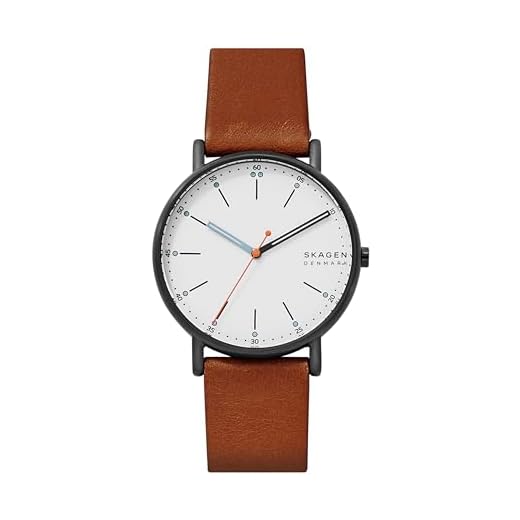

Pay attention to the weight of the item as well; lighter designs often allow for more comfortable daily use without the risk of frequent repositioning. Material choice also matters–a breathable fabric or soft leather can contribute to a more stable fit.
Regular adjustments may be necessary throughout the day, especially during varying activities. Monitoring the item’s position and readjusting it back to a comfortable location on the arm can enhance overall usability.
Understanding Watch Fit and Comfort
Choose a snug fit that allows for slight movement without discomfort. A measurement of about a quarter of an inch between the skin and the band is ideal, ensuring it doesn’t slide too far down the arm. For those with an active lifestyle, opt for adjustable straps to accommodate swelling and changes throughout the day.
Material also influences comfort significantly. Soft leather or silicone can provide better ventilation compared to metal links. Lightweight designs are preferable, reducing strain during prolonged wear. Pay attention to the clasp mechanism; it should be secure yet easy to open when necessary.
Consider the size of the timepiece. Oversized models may dominate the arm, while too small can appear lost. Select a piece that contrasts slightly with the wrist for balance. Larger dials should ideally sit flat against the skin, while slim profiles allow for stylish flexibility without excess bulk.
Personal preference plays a key role. Some may prefer a tighter fit for security during physical activities, while others may opt for a looser style to promote air circulation. Trial and error can help identify the combination that feels best, ensuring satisfaction throughout various situations.
Regular adjustments may be necessary, as skin and body conditions can shift. Stay mindful of discomfort indicators like redness or irritation, as these can signal the need for a better fit or different material. Achieving comfort bespoke to individual needs elevates the wearing experience significantly.
Impact of Different Watch Styles on Wrist Movement
Choosing a timepiece entails understanding how its design influences fit and stability on the arm. Various styles–be it dress, sports, or casual–execute different functionalities that affect how they sit during everyday activities.
Dress Timepieces
Typically characterized by slim profiles and minimalist designs, these accessories align closely against the skin. Their lightweight materials contribute to a snug fitting, minimizing any potential sliding. Consider models with integrated lugs that conform seamlessly to the contour of the arm, promoting better stability.
Sports Models
Constructed with robust materials and often featuring bulkier casings, sports variants prioritize durability and functionality. They may employ rubber or silicone straps designed to grip firmly, enhancing the stability during physical exertions. Look for adjustable features that allow a custom fit for active scenarios, preventing unnecessary movement.
Identifying Proper Sizing Techniques
For an optimal fit, measure the circumference of the area where the accessory will rest. Use a flexible measuring tape for precision. Ensure the tape is snug but not tight, providing a baseline measurement to determine appropriate length.
Consider Adjustments for Different Styles
Different designs may require unique sizing approaches. For instance, a timepiece with a solid link bracelet often allows for removable links, while one with a leather band may need alternative hole positions for fitting. Assess these features to achieve a personalized, balanced feel.
Test for Comfort and Stability
After adjusting, test functionality by wearing it for a while. Assess if there’s any pinching or discomfort. Aim for a fit that allows subtle movement without slipping. If the accessory frequently shifts or feels constricting, consider further adjustments or different styles to ensure satisfaction.
Consequences of a Loose or Tight Timepiece
An ill-fitting accessory can lead to discomfort and functional issues. A piece that is too tight may cause irritation and restrict circulation, while one that is too loose can lead to inadvertent damages or loss. Here are specific implications to consider:
Effects of a Tight Fit
A snugly fit accessory may cause:
- Skin irritation or chafing, particularly during physical activities.
- Compression of blood vessels, potentially resulting in numbness or tingling in nearby areas.
- Difficulty in adjusting or operating the piece, reducing ease of access to its functions.
Effects of a Loose Fit
Conversely, a loosely fitted timepiece may lead to:
- Unnecessary wear and tear on the band and casing due to frequent shifting.
- Increased likelihood of it falling off, which could result in loss or breakage.
- Inaccurate readings if the piece is equipped with sensors, as movement can hinder functionality.
| Fit Type | Consequences |
|---|---|
| Tight | Skin irritation, reduced circulation, operational difficulty |
| Loose | Wear and tear, loss risk, inaccurate data |
Finding the right balance in sizing not only enhances comfort but also improves functionality, ensuring longevity and performance of the timekeeping device. Regular assessments of fit can prevent these issues from arising.
Maintaining Security During Activities
To keep timepieces secure while engaging in various physical pursuits, consider the following strategies:
1. Choose Appropriate Fastening Mechanisms
- Opt for deployment clasps or bracelets with micro-adjustments, ensuring a snug fit.
- If using fabric or leather bands, select options with robust closures to prevent slippage.
2. Consider Activity Type
- For sports, a tightly fitted strap can minimize risk, while casual settings may allow for a looser fit.
- During high-intensity workouts, specialized straps designed for performance can provide additional security.
3. Regular Maintenance Checks
- Periodically inspect the fastening components for signs of wear or damage.
- If any part is compromised, consider repairs or replacements before engaging in activities.
Prioritizing these tips will significantly enhance stability and protect the timepiece during physical activities, reducing the likelihood of mishaps.
Adjusting Your Timepiece for Optimal Positioning
To achieve a snug fit, position the band so it rests comfortably without excessive tightness. The optimal adjustment allows for slight movement while ensuring it doesn’t slide excessively.
Choose the appropriate link size or strap length based on individual preference. For metal bands, consider removing links; for leather or fabric, trim or adjust the clasp. Regular sizing checks guarantee a consistent fit.
Ensure the piece sits about one finger’s width above the base of the hand. This positioning facilitates comfort during daily activities and minimizes friction against the skin.
If worn with long sleeves, adjust accordingly to prevent fabric interference. Ensure sleeves can slide over the timepiece without causing discomfort or altering the positioning.
During physical activities, secure the band tighter to prevent slippage, then relax it for casual wear. This dynamic adjustment accommodates movement while maintaining desired comfort levels.
Incorporate regular checks to assess the condition of the band and clasp. Signs of wear may necessitate re-evaluation of sizing for ongoing comfort.
Frequent adjustments based on activity levels can enhance the overall experience, allowing for extended wear without discomfort or inconvenience.
FAQ:
Why does a watch move on my wrist?
The movement of a watch on your wrist is primarily caused by the natural motion of your arm and wrist as you go about your daily activities. The design of the watch, including the type of strap and the fit, can also influence how much it shifts during movement. If your watch is not fitted properly, it might slide more easily, creating the sensation of it moving frequently.
Is it normal for a wristwatch to shift or rotate while wearing it?
Yes, it is quite common for a wristwatch to shift or rotate slightly while being worn. Most people experience some level of movement due to the natural motions of their body. A well-fitted watch should stay relatively secure, but slight adjustments in position can happen without posing any issues. If you find that the watch shifts excessively, adjusting the strap or considering a different style might help.
What can I do if my watch moves too much on my wrist?
If your watch is moving excessively on your wrist, you can take several steps to address this. First, check the fit of your strap; it should be snug enough to stay in place but not so tight that it’s uncomfortable. If the watch has removable links, consider taking one or more links out for a better fit. Additionally, you might explore different strap materials, as some materials grip the skin better than others. Finally, if the issues persist, consulting a watchmaker for advice on adjustments could be beneficial.
Are there types of watches that are designed to minimize movement on the wrist?
Yes, certain types of watches are designed with features that help minimize movement on the wrist. For instance, watches with rubber or silicone straps often provide a better grip against the skin, reducing movement. Additionally, some sport watches come with specialized clasps that ensure a tighter fit. If minimizing movement is a priority for you, consider looking for these kinds of design elements when choosing a watch.



