Ethan Cole

Engaging in this sport can pose risks for timepieces featuring self-winding mechanisms. The rapid throwing motions and forceful catches can subject the watch to sudden impacts and vibrations, potentially affecting its intricate innards.
For enthusiasts of both the activity and fine horology, it’s advisable to consider alternatives. Opt for models designed for active lifestyles, those with durable cases and shock-resistant features. This can mitigate potential damage while enjoying leisure time.
Regular maintenance should also be a priority. Have the timepiece serviced at intervals to ensure the internal components remain in optimal condition. Following these guidelines can enhance longevity and reliability while maintaining a functional and stylish accessory.


Is Playing Frisbee Hard on Wrist Watches with Automatic Movements
Opt for a timepiece designed for durability if engaging in activities involving flying discs. Traditional designs may lack the necessary resilience to endure abrupt impacts. Pay attention to features like shock resistance and solid case construction, which enhance protection against sudden jolts and falls.
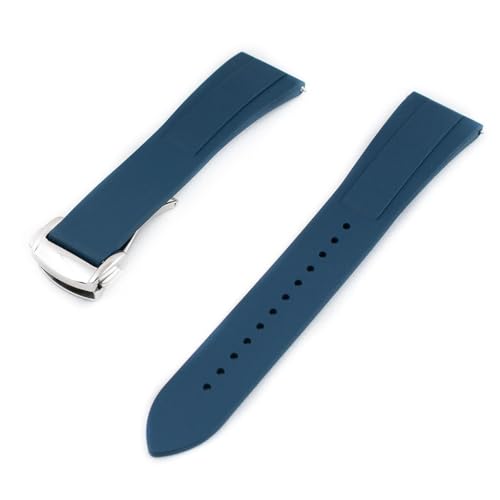
Consider models equipped with reinforced crystals to prevent scratches and fractures. These additional layers of defense can significantly prolong the lifespan of the timekeeper under active use. Furthermore, selecting a strap made of durable materials–such as rubber or nylon–can better withstand rough movements, reducing the risk of breakage.
Regular maintenance is advisable for any device subjected to vigorous environments. Periodic inspections by a professional can catch potential issues related to impacts or water resistance, ensuring optimal function over time. Incorporate precautions such as removing the accessory during intense matches or storing it securely when not in use.
Assessing weight distribution is key; lighter models often reduce the chances of dislocation or damage during energetic play. Alternatively, securing the watch snugly on the wrist can minimize movement, preventing potential accidents caused by swinging arms. Ultimately, awareness of both the design and handling aspects increases longevity and enjoyment of the accessory throughout various activities.
Impact of Frisbee Throwing Techniques on Watch Mechanics
Proper technique can mitigate risks to timepieces while engaging in activities involving projectile disc throwing. Understanding specific throwing styles is crucial for maintaining the integrity of mechanical devices. Techniques incorporating smooth, controlled motions reduce torsional stress on the wrist, thereby decreasing potential harm to the internal mechanisms.
Common Throwing Techniques and Their Effects
Different styles affect timepieces to varying degrees. Here are a few examples:
| Throwing Technique | Impact Level | Recommendations |
|---|---|---|
| Backhand Throw | Moderate | Maintain a relaxed wrist to absorb shock. |
| Forehand Throw | High | Use a supportive wrist guard to minimize impact. |
| Overhead Throw | Low | Keep motions fluid to balance wrist strain. |
Maintenance Tips for Protecting Your Timepiece
Regular check-ups and good practices help extend the lifespan of devices amidst physical activities:
1. Consider switching to less delicate alternatives during intense throws.
2. Ensure that clasps and straps are secure to prevent loss during dynamic movements.
3. Regularly service or clean the device, especially after exposure to dirt and moisture.
Common Risks to Automatic Movements During Sports Activities
To preserve the integrity of timepieces, understanding potential threats during rigorous athletic pursuits is essential.
- Shock Impact: Rapid arm motions can generate significant jolts, which may misalign intricate gears within the mechanism.
- Vibration: Continuous vibrations from throwing motions can loosen or damage components, affecting accuracy over time.
- Moisture Exposure: Sweat and environmental factors can seep into watches lacking sufficient water resistance, causing corrosion.
- Energy Transfer: The kinetic energy from fast hand movements can disrupt the oscillator, leading to timekeeping errors.
- Strap Friction: Abrasive interactions with surfaces can lead to wear on both the timepiece and its fastening system.
To mitigate these risks, consider the following recommendations:
- Opt for models specifically designed for active use, featuring reinforced cases and improved shock resistance.
- Maintain dryness by choosing timepieces with a high level of water resistance.
- Regularly inspect the condition of the watch, ensuring that any signs of wear are promptly addressed.
- Utilize straps made from durable materials to withstand friction and movement.
- Limit exposure during intense segments of the game to reduce unnecessary wear.
Being aware of these risks and taking preventive measures will enhance the longevity and reliability of timepieces while engaged in sports activities.
Recommended Watch Types for Active Sports Enthusiasts
Consider opting for durable models featuring quartz or hybrid movements, as these are generally more resilient to shocks and vibrations. Brands that excel in producing robust designs include G-Shock, Suunto, and Garmin. These timepieces often incorporate reinforced casings and impact-resistant materials, ideal for intense activities.
For those who prefer mechanical designs, look into sports-oriented options like the TAG Heuer Aquaracer or the Seiko Prospex series. These selections are crafted with sturdiness in mind and offer water resistance, which complements outdoor activities.
A good strategy is to choose watches with protective sapphire crystal over their faces. This material resists scratches better than mineral glass, maintaining clarity over time. Additionally, ensure the chosen model has a secure strap, whether it’s rubber, silicone, or a robust nylon band, to withstand movement and physical strain.
Models equipped with features such as shock resistance, luminescent hands, and altimeters can enhance your experience while engaging in various physical activities. Features like GPS tracking and fitness monitoring are also valuable additions that help track performance metrics.
Finally, prioritize brands known for their warranties and customer support, such as Casio or Citizen, to ensure peace of mind in case of any malfunction during active use. Selecting timepieces that balance stylish aesthetics with rugged functionality will keep you on time and looking good during any adventure.
Preventative Measures to Protect Your Watch While Engaging in Activities
To safeguard your timepiece’s functionality, consider opting for a protective case designed for sports use. Such cases provide significant shock absorption and can minimize damage from unexpected impacts.
Always ensure that the timekeeping device is secured tightly on your wrist. Loose fitting straps increase the likelihood of accidental bumps and drops, leading to potential internal damage.
Exercise Caution with Throwing Techniques
Employ controlled throwing motions, aiming to reduce the force exerted on your arm and wrist. This technique not only helps prevent injuries but also limits the strain transferred to your timepiece.
Adopt proper hand positioning; maintain a relaxed grip while ensuring that your wrist does not undergo excessive twisting or bending during movements.
Regular Maintenance Checks
Schedule routine inspections by a certified professional. Regular service can identify any wear or damage in advance, extending your device’s lifespan.
Utilize a cleaning cloth to remove any dirt or impurities after sessions, as debris can accumulate and affect the movement’s accuracy over time. Proper care can significantly enhance durability.
Signs of Damage to Look for After Playing Frisbee
Immediately check for scratches or cracks on the glass surface. Any visible blemishes can indicate impact. Inspect the casing for dents or misalignment; even minor deformities can affect the internal components.
Listen for unusual ticking sounds. A consistent ticking is normal, but irregular noises may suggest issues within the mechanism. Test the timekeeping accuracy as well; significant deviations from standard time could indicate underlying problems.
Examine the crown and pushers for proper functionality. They should operate smoothly without resistance. Difficulty in adjustment may signal damage to seals or internal parts.
Verify the water resistance by performing a water test, if applicable. Any leakage can compromise the watch’s integrity. Lastly, ensure that the luminescence on the hands and dial remains intact; fading can point toward exposure to external elements.
Best Practices for Maintaining Automatic Watches After Sports Use
Immediately after engaging in athletic activities, ensure the timepiece is cleaned to remove sweat and dirt. Use a soft, dry cloth for exterior wiping.
Store the timepiece in a designated box that offers protection from impact or extreme temperatures. Avoid leaving it in a humid environment, which can encourage moisture buildup.
Consider regular inspections by a professional watchmaker, especially after intensive use. Have them check for accuracy and any signs of internal issues.
Maintain proper lubrication of the internal mechanisms as recommended by the manufacturer. This can prevent premature wear and enhance longevity.
- Verify water resistance and perform tests if exposure to moisture occurred.
- Keep a log of any servicing or repairs performed on the mechanism.
- Utilize a watch winder if the piece is rarely worn after sports use, to keep it running smoothly.
Lastly, monitor the performance closely following rigorous activities. Look for any irregularities in timekeeping or mechanical functions and address them promptly with a professional.