
 Ethan Cole
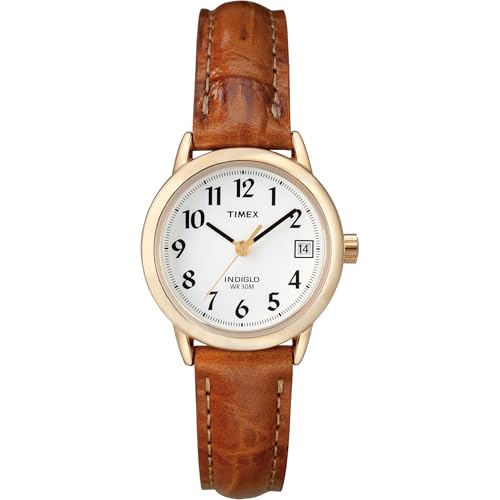
Opt for the non-dominant side to enhance comfort and functionality. Most individuals choose their left side, allowing the dominant hand to remain free for activities. This setup minimizes wear and protects the timepiece from potential damage during daily tasks.
Consider personal style and functionality. If your profession involves frequent hand movements or heavy lifting, wearing the accessory on the opposite side can prevent snagging or impact. Alternatively, a sporty design may complement an active lifestyle, making it easy to glance at time without disruption.
Always assess fit and positioning. An ideal placement ensures the face remains visible without obstructing movement. Aligning the piece slightly above the wrist bone maximizes visibility while still maintaining a secure fit.
Choosing the Right Wrist Based on Hand Dominance
For those who are right-handed, positioning a timepiece on the left limb can enhance comfort and accessibility. This allows the dominant hand to remain free for activities without interference from the accessory.



Left-handed individuals often prefer placing their timepieces on the right arm. This choice minimizes risk of damage while carrying out tasks with the more dexterous side. It also aligns with natural movements, reducing the likelihood of scratching the timepiece.
Comfort and Functionality
Choosing a limb for your timepiece also involves considering how often that hand will be used during daily activities. For individuals involved in sports or manual labor, opting for the non-dominant side may provide practical benefits.
| Hand Dominance | Recommended Side | Rationale |
|---|---|---|
| Right-handed | Left | Enhanced accessibility; reduces interference |
| Left-handed | Right | Minimized risk of damage; aligns with natural movements |
| Ambidextrous | Personal Preference | Depends on comfort and activity type |
Style Considerations
Beyond functionality, aesthetics play a significant role. A timepiece worn on the non-dominant side can serve as a fashion statement. Conversely, the dominant arm can showcase a more conspicuous design choice, drawing attention to the accessory.
Comfort and Fit: The Best Side for Timepiece Use
The optimal side for placing a timepiece is influenced by various factors, including personal comfort and fit. Generally, individuals should opt for the side that feels most natural and unobtrusive during daily activities. This often means selecting the non-dominant side, as it reduces interference during tasks like writing or using tools.
A snug fit is crucial to ensure stability. The timepiece should sit comfortably on the flesh of the arm without pinching the skin or restricting movement. Consider a strap made from soft materials, such as leather or silicone, which can provide a more pleasant sensation over extended periods.
Adjustability is another significant aspect. Many models feature links or adjustable bands, allowing customization for different wrist sizes. This ensures that the timepiece remains positioned correctly and does not slide excessively, which can lead to discomfort or distraction.
Weight also matters. Lighter designs tend to be more comfortable for prolonged use, as heavy pieces can lead to fatigue. It is advisable to try various styles to identify which one provides the most ease during everyday wear.
Ultimately, the best choice is one that promotes a seamless integration into your lifestyle, ensuring a perfect balance between style and functionality.
Watch Styles and Their Preferred Placement
Sport models are commonly positioned on the non-dominant side to enhance functionality during physical activities, preventing mishaps. These designs often feature robust materials and extended straps to accommodate movement.
Classic and Dress Timepieces
Traditional and elegant timepieces often find their place on the dominant side, accentuating aesthetic appeal. This positioning allows for easy visibility during formal occasions and aligns with wrist movements that enhance engagement in social interactions.
Smartwatches
Tech-centric models are versatile, yet many users opt for the non-dominant side to streamline notifications and interactions. This placement facilitates seamless access to features without hindering manual tasks. It’s advisable to adjust strap settings, ensuring comfort during extended use.
Ultimately, personal preference, activity type, and style contribute significantly to ideal placement choices for different timepiece types.
Impact of Watch Functions on Wrist Choice
Choosing a side for timepiece placement often hinges on the functionality desired. Sports and fitness models frequently offer functions like heart rate monitoring and GPS. Placing them on the non-dominant side can enhance comfort during physical activities, allowing for clear visibility and ease of interaction without interference.
Smart Features and Accessibility
Smart functionalities, such as notifications and app integrations, require more frequent interaction. Those who rely on these features should consider the hand that is most active for gestures. A left-handed user might find it easier to access touchscreens and buttons on a right wrist, promoting efficient use while working on tasks or during conversations.
Specialized Functions and User Experience
For pieces equipped with specialized functions, such as diving or aviation tools, ergonomic factors play a significant role. If used for diving, secure placement on the arm opposite the dominant hand prevents accidental damage while adjusting equipment. Similarly, aviators often position navigation tools on their dominant side for quick reference while operating controls.
Cultural and Social Norms in Timepiece Placement
Placement of timepieces is influenced by various cultural and social factors. In many Western cultures, the dominant hand often bears the accessory, while the non-dominant hand is preferred in Asian traditions. For instance, etiquette in certain regions suggests that wearing a timekeeper on the right signifies left-handedness, which may affect perceptions in formal contexts.
Symbolism and Gender Expectations
Gender roles also play a significant role. Traditionally, men might opt for larger, more robust styles on their dominant side, symbolizing strength and authority, while women might favor delicate designs, often adjusting placement based on fashion trends. This affects both aesthetic appeal and social signaling, shaping how individuals are perceived in various settings.
Function and Profession Influences
In professional environments, subtle norms exist regarding placement. Certain industries, like healthcare, may advocate for specific sides to facilitate ease of access to tools and instruments. Consequently, this integration of functionality and cultural practices often leads to a consensus on preferred positions that align with both professional demands and personal expression.
Health Considerations When Selecting a Wrist
Choose the non-dominant side if pursuing long-term comfort and mitigating potential strain. This option often proves beneficial as it minimizes interference during daily activities.
Factors influencing health include:
-
Skin Sensitivity: Individuals with sensitive skin may experience irritation. Wearing items on the less active side can reduce friction and irritation during movement.
-
Circulation: Ensure that the strap or band fits appropriately to avoid cutting off blood flow. A well-fitted accessory on the non-dominant arm usually provides better circulation.
-
Posture: Clocks worn on the dominant side might lead to awkward angles in arm positioning. Opting for the other side could encourage better posture.
-
Bone Structure: For those with wrist issues or previous injuries, selecting the opposite arm may alleviate discomfort and allow for improved mobility during activities.
Consider item weight as well. Heavier adornments can strain the wrist. The lighter choice may contribute positively to overall joint health.
Listen to the body. Discomfort or pain signals need attention. Adjust placement to ensure an enjoyable experience. Regular assessments are also advisable to maintain long-term wellness with any accessory.
FAQ:
Is there a specific wrist that is considered more appropriate for wearing a watch?
Traditionally, many people wear their watch on the left wrist. This is likely because the majority of the population is right-handed, making it easier to wind and adjust the watch with the dominant hand. However, there is no rule stating that a watch must be worn on a specific wrist. Ultimately, it comes down to personal preference and comfort. Some left-handed individuals may prefer to wear watches on their right wrist for greater accessibility and ease of use.
Does the wrist I choose to wear my watch on affect its functionality?
The functionality of a watch is not significantly impacted by which wrist you choose to wear it on. However, considerations such as the type of watch and your daily activities may play a role. For example, if you frequently use your wrist for tasks that require a lot of movement, wearing the watch on the opposite wrist may reduce the risk of damage or discomfort. Comfort and practicality should be the primary factors in deciding where to wear your watch.
Can wearing a watch on the left or right wrist have any social implications?
Wearing a watch on a specific wrist can sometimes be perceived as a fashion statement or a reflection of personal style. In some cultures, there are traditions surrounding which wrist to wear a watch on, but these are not universally held beliefs. For instance, some people may consider wearing a watch on the left wrist as more formal, while the right wrist could be seen as more casual. However, the choice largely depends on individual expression and what feels right for you.
Are there any specific occasions that dictate which wrist to wear a watch on?
Generally, there are no specific occasions that dictate which wrist to wear a watch on. However, personal style choices might vary based on the event. For formal occasions, individuals may choose to wear their watch on their non-dominant wrist to showcase it better. On the other hand, during sports or outdoor activities, wearing the watch on the dominant wrist might allow for easier access and better visibility. Ultimately, the decision is based on comfort and context rather than strict guidelines.


