
 Ethan Cole
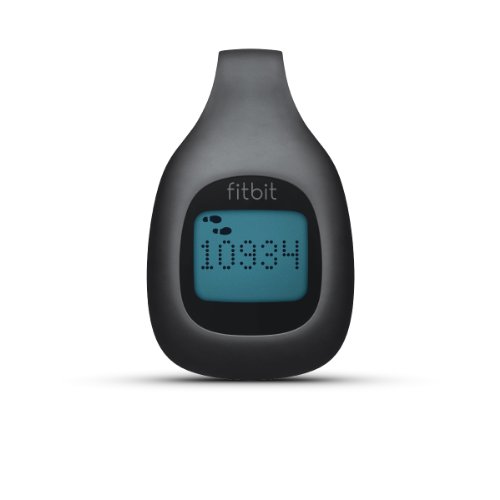
Consider exploring non-wrist options for monitoring activity levels and health metrics. A variety of devices exist, catering to those preferring a different style. For example, clip-on monitors and devices designed for belt attachment provide convenient alternatives for tracking movement without wearing a band on your wrist.
Some manufacturers offer specialized pendants or necklaces equipped with fitness tracking capabilities. These options can seamlessly blend into daily outfits and provide functionality while avoiding the traditional strap format. Many of these alternatives feature comprehensive tracking functions such as heart rate measurement, step counting, and sleep analysis.
Additionally, smart clothing integrated with sensors has become a growing segment in the fitness technology sector. Apparel like shirts and leggings come embedded with tracking components, allowing for data collection without the need for separate hardware. Such innovative solutions enhance comfort and style, appealing to users who may be hesitant to adopt conventional fitness bands.
Is a Fitbit Device Beyond a Wrist Accessory?
Consider alternatives such as clip-on trackers or smart scales, which fall outside the conventional wrist-worn category. These devices measure activity levels, track heart rates, and monitor sleep quality without the need for a strap. Specific models like the Fitbit Inspire 2 can be worn as a clip, allowing versatile placement. Additionally, smart scales can sync with apps to provide body composition data and trends, making them valuable for holistic health management.
For users seeking to track health metrics unobtrusively, earbud fitness monitors present another option. These wireless devices measure heart rates while listening to music, ensuring active monitoring without any wrist attachment. They seamlessly integrate workout data with existing applications, providing insights during activities.


Lastly, innovative technologies like connected rings are emerging, offering a discreet way to monitor activity, sleep, and heart health. These compact wearables can analyze biological signals, offering the same tracking capabilities as traditional options without a visible presence. Explore these alternatives for a comprehensive view of personal health and fitness goals.
Exploring Alternatives: Non-Wrist Wearables
The Oura Ring is a standout choice for those seeking a discreet yet powerful tracker. This smart ring monitors heart rate, sleep patterns, and activity levels, providing a thorough overview of health and lifestyle metrics without the bulk of traditional bands.
Ankle bands, such as the Moov Now, provide another alternative. These devices are designed for fitness enthusiasts, offering insights on movement and workout efficiency through audio coaching and metrics that enhance performance.
For individuals focused on sleep tracking, devices like the Sleep Number SleepIQ monitor various sleep metrics using a non-intrusive approach, allowing for in-depth analysis without a wrist-mounted display.
A few companies also offer clothing embedded with tracking technology. Products from brands like Athos and Hexoskin integrate sensors into workout gear, delivering real-time data on heart rate and muscle activity during physical activity.
Earbuds, such as the Jabra Elite Sport, now combine audio functionality with health monitoring. They offer fitness tracking capabilities along with high-quality sound, making them a dual-purpose option for active lifestyles.
Lastly, consider smart eyewear options like the Ray-Ban Stories. These glasses incorporate technology for fitness tracking and augmented reality experiences while maintaining a fashionable appearance.
How to Choose a Fitbit-Like Device without a Watch Format
Prioritize functionality over form. Seek out activity trackers that focus on health metrics like heart rate, sleep quality, and step counting. Look for devices that have reliable sensors and good battery life, allowing for continuous monitoring without frequent recharging.
Evaluate Design Options
Consider clip-style trackers, which can be attached to clothing or belts, offering versatility without a wristband. Also, explore pendant-style models that can be worn around the neck, providing a discreet alternative while still delivering essential features.
Examine Compatibility and Apps
Ensure the device syncs seamlessly with existing mobile applications. A user-friendly app enhances the tracking experience, offering insights and progress reports. Look for options that integrate with popular fitness platforms for a more feature-rich experience.
Review user feedback to assess accuracy and usability. Choosing a model with strong customer support and regular updates can enhance long-term satisfaction. Always compare specifications to find a model that aligns with specific fitness goals.
Comparing Fitness Trackers: Features of Non-Wrist Options
For individuals seeking alternatives to traditional wearable technology, specific devices offer compelling features without the need for a band. Activity monitors designed for pockets, clip-ons, or even embedded into shoes provide diverse functionalities. Below are key features associated with various non-banded fitness trackers:
| Device Type | Key Features | Best For |
|---|---|---|
| Pocket-Sized Trackers | Step counting, sleep monitoring, Bluetooth sync, calorie tracking | Casual users who prefer to carry rather than wear devices |
| Clip-On Trackers | Attachment versatility, discreet usage, pedometer functions, heart rate monitoring | Fitness enthusiasts who want flexible attachment options |
| Footwear-Embedded Sensors | Real-time distance tracking, stride analysis, integrated GPS | Runners looking for seamless tracking during workouts |
| Smart Jewelry | Activity tracking, heart rate sensing, stylish appearance | Fashion-conscious users wanting fitness insights |
| Smart Glasses | Augmented reality features, activity tracking, navigation assistance | Tech-savvy individuals integrating fitness with daily routines |
Evaluate specific devices based on personal needs and preferences. Performance capabilities, battery life, and synchronisation with wellness applications should influence selection.
Real User Experiences: Non-Wrist Fitbit Devices in Action
For those seeking alternatives to traditional wearables, users have shared success stories with clip-style and smart scale options. A popular choice among active individuals is the clip-on tracker, often attached to clothing. Users report that its lightweight design allows for continuous monitoring of activity levels without the constraints of a band. This style provides versatility for various activities, from running to swimming.
Clip-On Trackers: User Feedback
Users praise the convenience of attaching a device to their clothing. One active user mentioned that tracking their steps throughout the day felt seamless, as they did not have to adjust their routine. They noted improved engagement with their fitness goals, facilitated by notifications and activity reminders sent directly to their smartphone. Reports indicate that individuals appreciate the discrete nature of the device, allowing for everyday wear without drawing attention.
Smart Scales: Comprehensive Health Monitoring
Smart scales have garnered attention for their ability to track weight, body mass index, and other metrics. Users highlight that these devices sync effortlessly with their phones, providing insights into long-term health trends. One user shared their experience of integrating the scale’s data with dietary and fitness apps, which helped maintain motivation and accountability. Feedback suggests that regular updates on body composition foster healthier habits and promote goal alignment.
Where to Buy: Finding Non-Wrist Fitbit Alternatives
For those seeking alternatives that do not involve traditional bands, several platforms provide a variety of fitness trackers. Retailers like Amazon and Best Buy offer a range of non-banded devices, including clip-on and stylish accessories for your fitness needs.
Some recommended options include:
- Amazon: A wide selection of alternatives, including clip-on trackers and smart scales.
- Best Buy: Hands-on device demonstrations and knowledgeable staff can assist in choosing the right alternative.
- Walmart: Affordable options in-store and online, with possibilities for discounts and promotions.
- Target: Unique fitness devices, often featuring trendy designs that double as fashion accessories.
- Specialty Stores: Stores focusing on health and fitness products, often carrying unique or lesser-known brands with innovative technologies.
Online marketplaces like eBay can also feature second-hand devices from various brands at competitive prices. Additionally, manufacturer’s websites may host exclusive sales or bundles that combine fitness devices with other health products.
Make sure to check user reviews and product comparisons before making a decision to ensure the selected tracker meets your personal fitness goals and style preferences.


