
 Ethan Cole

The correct form is a single term: “wristwatch.” This spelling is widely accepted in modern English usage and aligns with standard dictionaries. When referring to these devices for timekeeping worn on the arm, using “wristwatch” as one word is the preferred format.
In specific contexts, such as brand names or informal writing, variations like “wrist watch” may appear. However, for formal writing, publications, and educational materials, it is advisable to maintain the one-word structure. This consistency aids in clarity and adherence to grammatical norms.
Understanding the nuances of English can clarify common misconceptions. While some compound words can be split into separate terms, in this case, “wristwatch” remains unified. Following this guideline will enhance your writing precision and professionalism.
Is Wristwatch a Single Entry?
The correct form is as a single entity, “wristwatch.” This classification streamlines communication, particularly in written materials.
Consult dictionaries and style guides for authoritative sources confirming this spelling. Various publications and linguistic resources reflect this standardization.
In contexts requiring clarity, using the single term enhances readability and comprehension, especially in technical or academic writing.
For digital platforms and social media, utilizing “wristwatch” not only aligns with common usage but also improves search engine optimization, making content more accessible.
Keep in mind related concepts: a “timepiece” may refer generally to any device measuring time, while “bracelet” suggests the accessory aspect. Distinctions between these terms are important in specific discussions.
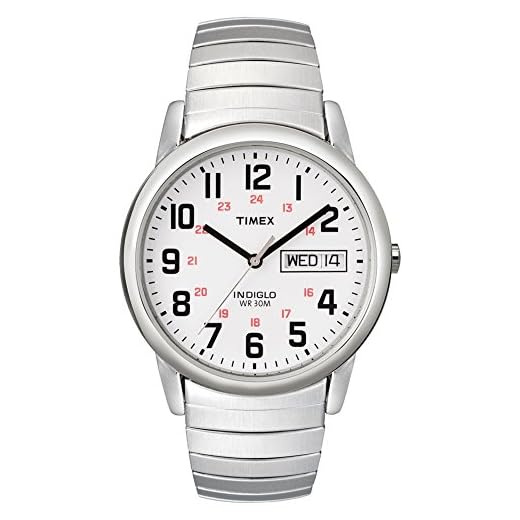
Understanding the Composition of Compound Words
When identifying compositions involving two or more elements, it’s crucial to recognize how they function together. These structures may appear as separate entries or fused into a singular entity. To clarify, considering parts of speech and usage in sentences can lead to correct interpretations.
For example, in English, compound entities can fall into three major categories: closed compounds, open compounds, and hyphenated compounds. Each category requires different grammatical approaches and contextual usage.
| Type | Description</th | Example |
|---|---|---|
| Closed Compound | Elements combined into one single unit without spaces or hyphens. | Sunflower |
| Open Compound | Words that function together but remain separate in writing. | High school |
| Hyphenated Compound | Words linked by a hyphen, often for clarity. | Mothers-in-law |
When determining spelling and usage, observe the context in which such constructs appear. Grammatical rules regarding these entities often change based on their function in language, whether as nouns, adjectives, or verbs.
Consistent practice in recognizing this structure enhances one’s fluency and accuracy when writing. Pay attention to details, and consult reputable dictionaries for guidance on specific terms. This approach aids in mastering the mechanics of these complex elements effectively.
The Role of Context in Language Usage
Determining the correct form of a term often relies heavily on its surrounding context. For instance, specific phrases might be constructed either as single units or separated terms based on style guidelines or regional preferences. This flexibility is particularly evident in compound formations where clarity or convention dictates structure.
In formal writing, compound nouns may favor a more integrated form, while informal settings might allow for separation. Understanding audience and purpose shapes these decisions. For example, technical documentation typically seeks precision and consistency, which could lead to the unification of elements into a single expression. In contrast, casual conversation may embrace variations for ease or familiarity.
Moreover, the use of hyphenation can serve as a solution when ambiguity arises. This supports readability and comprehension, particularly in complex compounds. Contextual clues, such as surrounding text or the intended audience, help clarify meaning and guide the appropriate construction.
Awareness of these distinctions enhances both written and verbal communication. By adapting language to fit the situation, expressions can become more effective and aligned with the expectations of the audience.
Common Mistakes in Writing Compound Terms
When creating compound phrases, accuracy in spelling and formatting is paramount. Missteps can alter meaning and lead to misunderstandings. Here are key errors to watch for:
Incorrect Spacing
Many writers mistakenly insert spaces between components of compound terms, leading to confusion. For example:
- Incorrect: “ice cream”
- Correct: “ice cream” (but beware of context; “ice-cream” is also acceptable in British English).
Overuse of Hyphens
Hyphenation is sometimes overapplied, especially with adjectives. Ensure that hyphens are used appropriately:
- This format, “high-quality,” is correct.
- A common mistake: “high quality service” should be “high-quality service” when used as an adjective.
Additionally, certain terms that used to require hyphenation are now often written as single words due to language evolution:
- “E-mail” has generally transitioned to “email.”
- Pay attention to industry standards where variations may exist.
Inconsistent Capitalization
Another frequent error involves capital letters. Typically, only the initial element is capitalized in a compound term unless specified otherwise:
- Correct: “Mother-in-law”
- Incorrect: “Mother-In-Law”
Be conscious of guidelines specific to your audience or publication to ensure coherence.
Relying on Spell Check Alone
While spell check tools catch numerous mistakes, they may miss context-specific errors. Double-check unfamiliar combinations:
- Terms like “motherboard” and “cellphone” are straightforward, but others might need verification.
- Utilize trusted dictionaries and style guides to confirm usage.
Being mindful of these common pitfalls will enhance clarity in composition, ensuring your writing is both readable and precise.
Dictionary References for Confirmation
Consult reputable dictionaries such as the Oxford English Dictionary or Merriam-Webster for clarification on the expression’s formatting. These resources provide established definitions and usage guidelines, helping to ascertain if the terms are hyphenated, spaced, or combined.
Check online platforms like Dictionary.com or Cambridge Dictionary, which frequently update their entries and offer user-friendly interfaces. They often include relevant examples that showcase correct application in various contexts.
Referencing style guides like the Chicago Manual of Style can also enhance understanding of how such phrases should be structured in written communication. These guides outline preferences for combining or separating terms based on traditional usage.
Utilize language forums and community discussions, such as those found on Stack Exchange, where linguists and enthusiasts share insights and justify their recommendations based on linguistic rules and trends.
Implications for Brand Naming and Marketing
Choosing the ideal name for a timekeeping device can significantly influence market presence and consumer perception. When developing brand identity, clarity and memorability are paramount. Compound names can either enhance or complicate recognition, making it vital to select combinations that resonate well with target demographics.
Brand Consistency and Recognition
Integrating clear terminology that consumers can easily understand fosters brand loyalty. For instance, using straightforward combinations instead of obscure terms increases brand recall. Research indicates that familiar phrases prompt quicker consumer recognition, establishing a firm foothold in competitive markets.
Leveraging SEO and Online Marketing
In the digital marketplace, keyword optimization plays a critical role. Utilizing compound terms effectively can improve search engine visibility. Brands should consider common search queries when naming their products, as utilizing everyday language often results in better engagement and higher conversion rates.


