
 Ethan Cole

The brand is synonymous with elegance and timeless design, appealing to many enthusiasts and collectors. Quality craftsmanship, innovative aesthetics, and distinctive features mark its position in the market, often leading to discussions regarding its standing in the premium segment of horology.
Analyzing the materials used, such as stainless steel and sapphire crystal, alongside precision movements, it becomes clear that the brand offers a strong combination of style and functionality. The minimalist approach often attracts those who appreciate understated sophistication, which further cements its reputation among alternatives.
Comparisons with other prominent names can help clarify its status. While it may not sit alongside the top-tier brands, it consistently delivers reliability and artistry. For individuals seeking a refined accessory without delving into excessive pricing, this option may serve as an excellent choice, balancing aesthetics and performance seamlessly.
Is Movado a High-End Timepiece?
This brand is recognized for its modern aesthetic and innovative designs, often appealing to those who appreciate minimalism. With a rich heritage dating back to 1881, its Swiss craftsmanship contributes to a perception of sophistication and quality. Models typically feature distinctive features such as the iconic dot at 12 o’clock, representing the sun at noon.


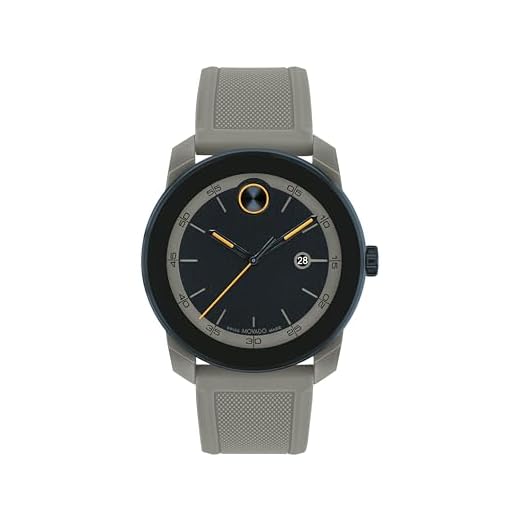
The price range generally starts from a few hundred dollars, reaching upwards to several thousand, reflecting intricate designs and materials used. Limited editions and collaborations further enhance its prestige, attracting collectors and enthusiasts alike. The brand’s strategic marketing, often partnered with renowned fashion figures, adds to its allure as a high-quality option for discerning buyers.
Quality and Craftsmanship
The attention to detail is evident in the movement, with many pieces housing Swiss automatic or quartz mechanisms. High-quality materials like stainless steel, sapphire crystal, and genuine leather straps enhance durability. This craftsmanship positions the brand alongside other prestigious names in the industry, often resulting in favorable comparisons regarding reliability and aesthetics.
Market Position
This timepiece has carved out a niche within the mid to high-end market segment. While it may not rival ultra-luxury houses, its distinct characteristics and innovative designs have solidified a place in the hearts of many. For those looking to elevate their collection without entering the ultra-premium category, this brand serves as a suitable option.
Brand Heritage and Reputation in the Watch Industry
The legacy of a watchmaker is often reflected in its craftsmanship and market positioning. Established in the early 20th century, this brand built its image on modern design principles, emphasizing minimalist aesthetics and innovative timekeeping mechanisms. The clean lines and artistic approach have resonated with consumers, positioning the brand as a frontrunner in the arena of high-end timepieces.
The brand’s reputation is further enhanced by numerous awards for design excellence, showcasing its commitment to quality and artistic integrity. Collaborations with prominent artists have also contributed to a unique identity, marrying fine art with horological precision. This combination significantly strengthens the allure among collectors and enthusiasts alike.
While the company focuses on a distinct design philosophy, the reliability and functionality of its timepieces also attract a diverse customer base. Consumers often highlight the durability and innovative features alongside the aesthetic appeal, ensuring a strong presence in both casual and formal settings.
In terms of brand perception, it consistently ranks well in consumer surveys focused on quality and style. This testament to the brand’s ethos solidifies its status among aspirational labels and ensures that it remains relevant in an ever-competitive market.
Comparative Analysis with Other Luxury Watch Brands
Examining the positioning of this brand reveals significant contrasts with other renowned names in horology such as Rolex, Omega, and Patek Philippe. The former focuses on accessible elegance while maintaining a presence in the premium segment. In contrast, brands like Rolex represent exclusivity, often commanding prices that reflect their status as investment pieces.
When evaluating craftsmanship, Rolex and Patek Philippe are celebrated for intricate mechanical movements and meticulous attention to detail. Their intricate designs include features such as perpetual calendars and minute repeaters, showcasing horological mastery. On the other hand, the watchmaker in question leans towards a minimalist aesthetic, favoring straightforward designs and quartz technology.
Market perception plays a pivotal role; established names have a storied history, often associated with significant moments in time and cultural milestones. This legacy enhances their appeal, creating desirability that transcends mere functionality. Conversely, while this brand has made a mark, it does not share the same weight of historical significance, impacting its overall perception in comparison.
Price points illustrate another distinction. The mentioned manufacturer often markets its products at a more approachable range, appealing to a demographic that seeks style without the associated investment of traditional high-end timepieces. High-end counterparts typically start at a higher threshold, aligning their pricing with the prestige and craftsmanship behind each creation.
In summary, while enjoying a reputation for reliable and stylish timekeepers, the subject of this analysis does not embody the same luxurious connotation or heritage associated with brands like Rolex or Patek Philippe. Consumers seeking a prestigious accessory might gravitate more towards riskier investments and classic craftsmanship found in the elite segment of the industry.
Materials and Craftsmanship: What Sets Movado Apart?
The superior materials and exceptional craftsmanship define the distinctive character of this watchmaker’s offerings. These timepieces utilize high-grade stainless steel and titanium, ensuring durability and resistance to corrosion. Unique ceramics are also employed, providing a sophisticated look alongside practical benefits like scratch resistance. The combination of these materials not only enhances longevity but also contributes to the aesthetics that appeal to discerning collectors.
Dial Design and Innovation
Known for their iconic Museum dial, featuring a minimalist aesthetic and a single dot at 12 o’clock, these timepieces stand out in the marketplace. This signature design, created by artist Nathan George Horwitt, is not merely decorative; it reflects a philosophy that prioritizes form and function. Incorporating Swiss quartz movements allows for precision and reliability, further solidifying their status in horology.
Attention to Detail
Each piece undergoes rigorous quality checks, ensuring that every component meets high standards. The meticulous design process involves skilled artisans who pay close attention to intricate details. Polished finishes and refined engravings speak to the dedication to artistry and craftsmanship, resulting in a product that exudes elegance and sophistication.
Pricing Strategy and Market Positioning of Movado Watches
The pricing model for these timepieces is strategically crafted to appeal to a broad audience while maintaining an image of sophistication. Entry-level models typically range from $200 to $700, allowing accessibility to aspiring collectors. Mid-tier pieces usually cost between $700 and $2,000, striking a balance between quality and price.
Market Segmentation
Movado has effectively segmented its market to cater to different demographics, including young professionals, collectors, and fashion-conscious individuals. This segmentation allows for targeted marketing strategies and tailored product lines, such as limited editions and collaborations that enhance brand appeal among diverse groups.
Price Comparison with Competitors
When examining the pricing strategy in relation to competitors, the following table illustrates how these timepieces are positioned against similar brands:
| Brand | Entry-Level Pricing | Mid-Tier Pricing |
|---|---|---|
| Movado | $200 – $700 | $700 – $2,000 |
| Tag Heuer | $1,000 – $2,000 | $2,000 – $5,000 |
| Longines | $600 – $1,500 | $1,500 – $3,000 |
| Seiko | $150 – $600 | $600 – $1,500 |
This analysis indicates that the brand competes effectively by offering a range of models at accessible price points while still innovating within mid-tier ranges. This fosters a connection with consumers seeking both style and functionality.
The strategic focus on design aesthetics and technology integration enhances overall market positioning. By continually updating collections with modern elements and maintaining a consistent brand image, these timepieces sustain interest and relevance in a crowded marketplace.
Consumer Perception and Reviews on Movado as a Premium Brand
Customer opinions reveal a mixed sentiment towards this brand, often highlighting its distinctive aesthetic and functionality. Enthusiasts appreciate the sleek and minimalist designs that appeal to those seeking elegance without excessive ornamentation.
Positive Feedback
- Many buyers express satisfaction with the brand’s iconic Museum dial, noting its artistic appeal.
- Durability and reliability are frequently mentioned, with users reporting positive experiences regarding the longevity of their timepieces.
- Consumers often laud the brand’s status as a symbol of sophistication suitable for various occasions, from formal gatherings to casual outings.
Constructive Criticism
- Some users feel that the pricing does not fully align with expectations based on craftsmanship and materials used, particularly in comparison with other prominent luxury labels.
- A section of the market perceives the brand’s heritage as less robust, which may affect its standing against traditional Swiss brands renowned for their longstanding craftsmanship.
- There are criticisms regarding the perceived lack of innovation in recent collections, leading to some discontent among collectors and aficionados.
In summary, while many appreciate the brand’s aesthetic and robust performance, critiques often focus on value and heritage. This consumer feedback is pivotal for potential buyers weighing their options in the premium segment.
FAQ:
What defines a luxury watch, and does Movado meet those criteria?
A luxury watch is typically characterized by high-quality materials, precision craftsmanship, a strong brand reputation, and exclusivity. Movado is known for its Swiss craftsmanship and minimalist design, which are hallmarks of luxury watchmaking. While it may not carry the same level of prestige as brands like Rolex or Patek Philippe, many consider Movado a luxury choice due to its quality and design aesthetic. Its use of durable materials and attention to detail contribute to this perception.
How does Movado’s pricing compare to other luxury watch brands?
Movado watches generally fall into the mid-range luxury price bracket, with most models costing between $500 to $2,500. Compared to high-end brands like Audemars Piguet, which can start in the tens of thousands, Movado is more accessible. However, it competes with other luxury brands like TAG Heuer and Longines, which offer similar price points. This makes Movado an attractive option for those looking to own a luxury watch without the extensive financial commitment typically associated with top-tier brands.
Is Movado a good investment for watch collectors?
Movado is not typically seen as a high-value investment like some other luxury watch brands, as its watches do not often appreciate significantly in value over time. However, collectors may appreciate Movado for its design and heritage. Limited editions or vintage models can sometimes hold their value better, particularly among enthusiasts. It’s important for potential buyers to research specific models and consider their personal tastes, as well as the watch’s potential for appreciation or resale value.


