
 Ethan Cole

Discoloration on the skin due to a specific type of accessory is generally not expected. Quality items should fit comfortably while allowing the skin to breathe, reducing potential reactions. If a change in skin color occurs, it might indicate a reaction to the materials or the presence of certain dyes used in the crafting process.
To mitigate the risk of skin discoloration, opt for finely crafted pieces made from vegetable-tanned materials, which are less likely to cause reactions. Regular cleaning is essential; remove the item before engaging in activities that may cause sweat, dirt, or moisture accumulation. Additionally, consider applying a barrier cream to the skin to further protect against potential staining.
Always conduct a patch test on a small area of skin when using a new piece, especially if it includes dyed elements. If discoloration persists, consult with a healthcare professional to rule out any allergies or skin conditions that may contribute to the issue.
Staining of the Skin by Timepieces Accessories
Choosing high-quality materials can significantly reduce the chances of skin discoloration. Select options that are vegetable-tanned, as they are less likely to release dyes compared to cheaper synthetic alternatives. Regularly clean your accessory with a damp cloth and a gentle soap to remove accumulated sweat or oils.
Consider a barrier between your skin and the material, such as wearing a thin fabric or opting for types with a breathable lining. Occasionally applying a specialized conditioner can help maintain the natural oils in the material, preventing cracking and color transfer. Pay attention to your skin’s reaction; irritation can occur if you perspire excessively.

Maintenance Tips
Store accessories away from direct sunlight to prevent fading or deterioration. If wet, allow them to dry naturally and never expose them to heat sources. Regular inspection for signs of wear and tear is essential; replace them if you notice significant damage.
Alternative Options
If skin irritation persists despite proper care, explore options made from hypoallergenic materials such as silicone or fabric. These alternatives can provide comfort without compromising style. Always prioritize personal comfort and skin health while making choices.
Understanding Leather Materials and Their Properties
Natural hides possess unique characteristics that contribute to their appearance and usability. The quality, treatment, and type of skin play significant roles in how they react with moisture and skin. Full-grain variants, derived from the outermost layer of the hide, retain the natural texture, showcasing imperfections and breathability. These features promote a more comfortable fit over time.
Types of Leather and Their Reactions
Understanding the different types of animal-derived materials helps predict their behavior against perspiration and environmental factors. Here are some common types:
| Type | Characteristics | Skin Interaction |
|---|---|---|
| Full-Grain | Most durable, retains original surface | Natural oils may provide some resistance |
| Top-Grain | Sandblasted surface for smoothness | More prone to moisture absorption |
| Genuine | Lower quality, blended materials | High absorption; may discolor easily |
Maintenance Recommendations
Regular cleaning and conditioning using suitable products are imperative. Natural oils from skin can deteriorate the material, potentially leading to discoloration. Using a breathable barrier or protective spray can mitigate moisture impact. Avoid prolonged exposure to sweat, water, or extreme temperatures to maintain integrity.
Factors That Contribute to Staining on Skin
Several elements can lead to discoloration of the skin due to contact with a watch accessory crafted from animal hide. One primary factor is the type of tannins used during the crafting process. Natural tanning methods, while gentle on the environment, often result in products that may transfer color more readily compared to synthetic alternatives.
Another significant contributor is the presence of moisture. Perspiration and humidity can interact with the surface of the material, increasing the likelihood of color transfer. It’s advisable to ensure that the material is dry before usage and to maintain a balanced level of moisture in the environment to mitigate this effect.
Skin Chemistry
Individual skin chemistry varies, including pH levels and oil production, which can affect how skin interacts with the surface. Those with slightly more acidic skin may find that their wrist absorbs dyes more easily. If discoloration occurs, washing the area with mild soap and water immediately can help reduce any potential marks.
Maintenance Practices
Regular care and cleaning rituals are vital for prolonging the lifespan and improving the performance of the bracelet. Using a specialized cleaner designed for animal hide and applying conditioner can prevent the depletion of protective coatings, minimizing the chances of color transfer. Storing the piece in a cool, dry place when not in use also preserves its integrity.
How to Properly Care for Your Leather Timepiece Strap
Clean and condition regularly to maintain the quality of the material. Use a soft, lint-free cloth to gently wipe away dirt or moisture after each wear. Avoid using harsh chemicals or abrasive materials that can damage the finish.
Conditioning the Material
Apply a specialized conditioner designed for this type of material every 4-6 weeks. This helps keep it supple and prevents cracking or stiffness. Use a small amount and rub it in gently, ensuring even coverage. Allow it to absorb fully before wearing.
Avoiding Moisture and Heat
Keep the accessory away from excessive moisture and humidity. Remove it before washing hands, swimming, or exercising. Also, avoid direct exposure to sunlight and high temperatures, which can lead to fading and drying out.
If contact with water occurs, dry it immediately with a soft cloth and let it air dry away from direct heat sources. Long-term exposure to moisture can lead to deterioration of the material.
Store the item in a cool, dry place when not in use. Using a dedicated box or pouch can help protect it from dust and scratches.
Identifying Non-Toxic vs. Toxic Leather Treatments
Choose items treated with natural oils, plant-based dyes, or water-based finishes to ensure safety against harmful substances. Common harmful treatments involve synthetic tanning agents, heavy metals like chromium, and strong chemical preservatives.
To discern between safe and harmful treatments, observe the following:
- Check Labels: Brands committed to quality usually provide information on their tanning processes.
- Research Brands: Investigate manufacturers and their commitment to eco-friendly practices.
- Colorfastness: Conduct a simple test by rubbing a damp cloth on the material; natural-treated items should not transfer color easily.
- Odor: A strong chemical smell can indicate the use of toxic substances during production.
- Skin Reactions: If irritation occurs after contact, discontinue use as this may signal harmful treatment.
Also, evaluate certifications like the Leather Working Group rating, which assesses environmental compliance in production methods. Non-toxic items usually come from tanneries that meet rigorous environmental standards.
Focusing on sustainable options will enhance both comfort and health, providing a safer experience with wearable accessories.
When to Replace Your Leather Strap
Frequent inspection is key. If you notice discoloration, cracking, or persistent odor, it’s time to consider a change. Any signs of deterioration can lead to discomfort and potential skin issues.
Signs of Wear and Tear
Look for visible fraying at the edges or areas where the material has thinned. If the strap no longer holds securely or feels loose, replacement becomes necessary to ensure functionality and style.
Duration of Use
A lifespan of 1-2 years is typical for regular wear. Factors like daily exposure to sweat, moisture, and sunlight can accelerate the degradation process. Keep track of usage to evaluate whether it’s time for an upgrade.
Additionally, periodic cleaning can extend longevity, but even with care, materials may degrade over time. Always prioritize comfort and hygiene over aesthetics.
Alternatives to Leather Bands for Sensitive Skin
Silicone straps offer an excellent choice for individuals with sensitive skin due to their hypoallergenic properties and ease of cleaning. They resist moisture and can be found in various colors and styles.
Stainless steel options are durable and non-reactive. Ensure the metal is of high quality to minimize the chance of irritation. Look for brushed or polished finishes, as they tend to reduce skin contact and potential chafing.
Fabric and Textile Straps
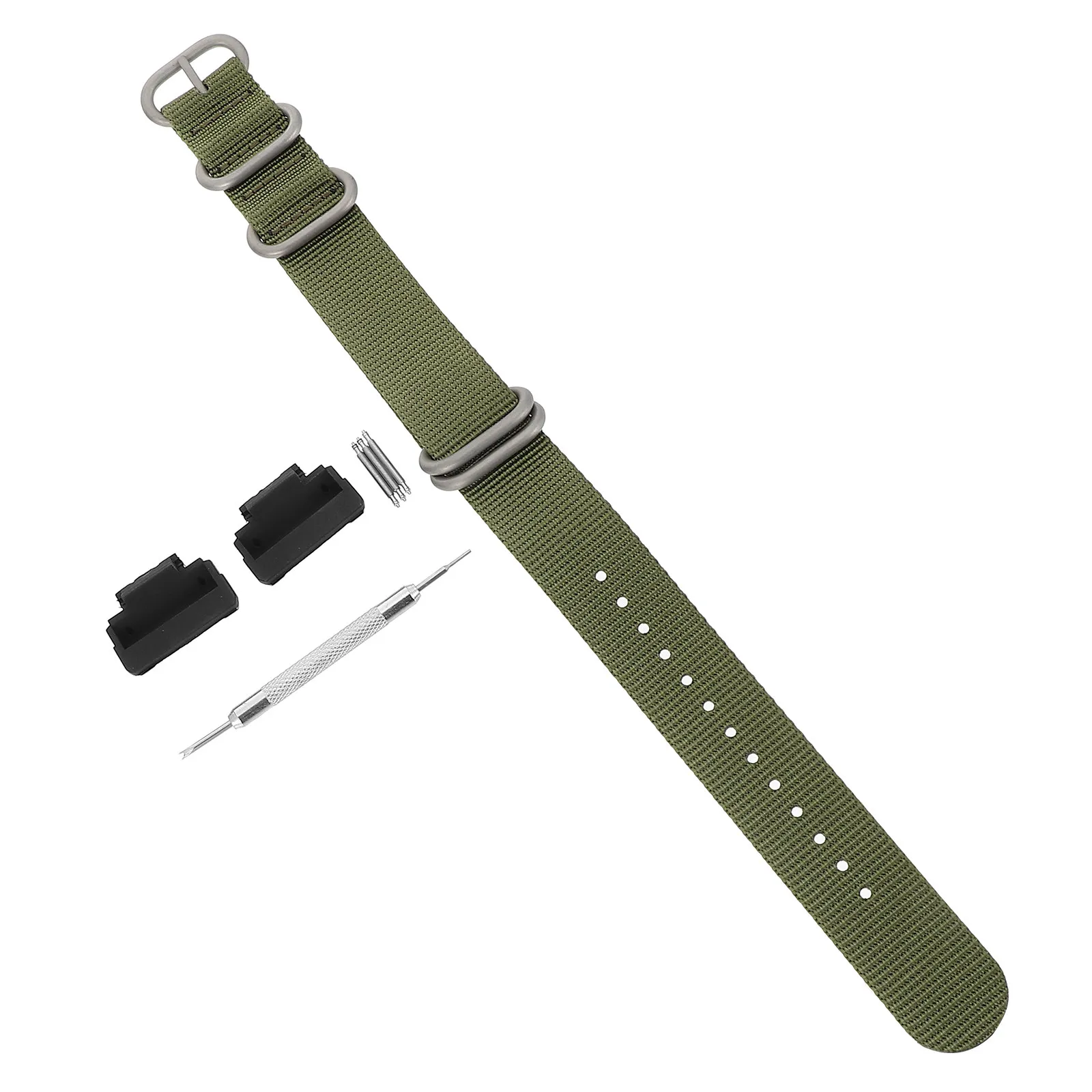
Textile options, such as nylon or canvas, provide a breathable solution that can be soft on the skin. These materials can be washed easily, addressing odor and dirt build-up, making them suitable for active individuals.
Wood and Natural Materials
Wooden wristbands made from treated natural materials offer an eco-friendly alternative. These types of designs often come in various finishes and can provide a unique aesthetic while remaining gentle on the skin.



