
 Ethan Cole
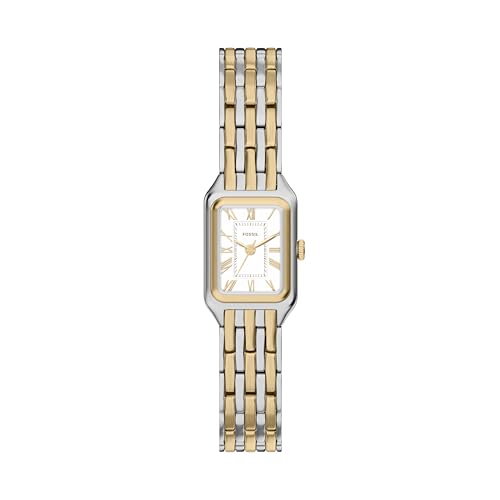
For an ideal fit, a metal timepiece should rest comfortably on the lower part of the arm, allowing minimal movement. A precise adjustment ensures that it neither pinches nor shifts excessively during daily activities, promoting both style and usability.
Experts recommend allowing a slight gap of about one finger’s width between the skin and the underside of the band. This space helps avoid discomfort and irritation while providing adequate security, ensuring that the accessory remains in place without falling or sliding excessively.
To achieve this balance, regularly checking and adjusting the length of the clasp can be beneficial, especially with changes in temperature or activity levels, which may cause wrist swelling. Periodic assessment ensures that the fit remains snug yet comfortable.
Guidelines for Comfortable Fit of Metal Link Timepieces
A proper fit should allow for slight movement while remaining secure enough to prevent discomfort or sliding past the wrist bone. Aim for a gap of about one finger’s width between the skin and the nearest link, ensuring both comfort and style.
An optimal configuration prevents excessive friction and skin irritation, meaning that while the timepiece can move, it shouldn’t migrate toward the hand. Adjustments can be made by adding or removing links through professional services or using proper tools if you seek to modify it at home.
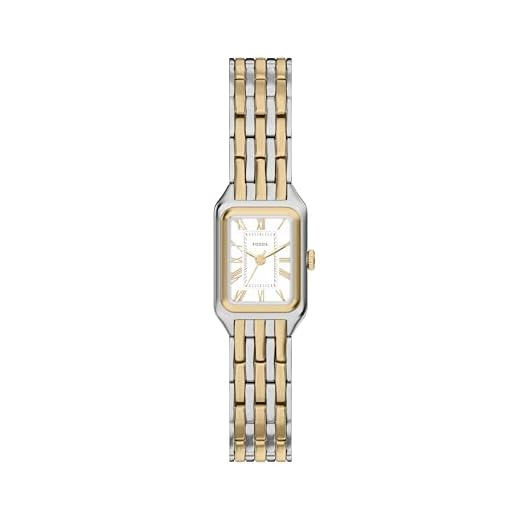

If you experience frequent sliding off the bone, consider checking for fit or look for features like micro-adjustments that allow fine-tuning for a perfect balance between snug and comfortable. Always remember, an ideal fit enhances not just aesthetics but also the functionality of the accessory.
Understanding the Ideal Fit for Comfort
For optimal comfort, aim for a snug but comfortable fit, where the timepiece can rotate slightly on your arm without being overly loose. Adjustments may be necessary based on your activity level, as a firmer grip is preferred during physical pursuits to prevent slipping.
Factors Influencing Fit
The material and link design play significant roles in how it conforms to your arm. Solid links may offer more stability compared to lightweight options, which can enhance ease of movement. Temperature changes also affect fit; a tight band may feel constrictive in warm weather, while a looser fit is ideal in cooler temperatures.
Finding the Right Balance
<p Strive for a level where it does not impede blood circulation or leave imprints on your skin. If adjustments are needed, consider professional resizing to achieve the necessary flexibility or look into removable links, which can provide customization according to your preferences. Proper care and regular checks can ensure your accessory remains in its best form, offering both functionality and style.
Impact of Bracelet Materials on Sliding Behavior
The choice of materials directly influences the positioning of a timepiece on the arm. For instance, lighter substances like titanium tend to enhance comfort, allowing for smoother movement along the surface of the skin. In contrast, more rigid composites, such as ceramic, may contribute to a snugger fit, reducing the tendency to shift excessively.
Common Materials and Their Characteristics
Metallic options, including aluminum and stainless steel, provide durability while their surface finish affects both aesthetics and practicality. A polished exterior may be more slippery, while brushed textures can create friction, resulting in more stability. Additionally, the weight of the material plays a role; heavier designs often remain more fixed, minimizing unintended adjustments.
Adjustability and Fit
Customization options are fundamental in achieving an ideal grip. Many designs feature removable links that allow wearers to tailor the fit, essential for preventing unwanted movement. Moreover, materials that expand or contract with temperature changes can affect the overall snugness, necessitating periodic adjustments for optimal comfort.
In summary, understanding the properties of various materials is key to selecting a timepiece that meets individual preferences for movement and stability on the arm.
Adjusting Your Steel Bracelet for a Secure Fit
To achieve an optimal fit, follow these guidelines:
- Identify the right size: Measure the circumference of your forearm above the area where the item will rest. This allows for accurate adjustments.
- Remove links: Use a proper tool to take out links if the fit is loose. Most bracelets allow for the removal or addition of links, making it simple to customize.
- Consult the manufacturer: Refer to the manufacturer’s instructions for specific guidance on adjusting the length, as different models may have unique mechanisms.
- Try different adjustments: Test various tightness levels. A snug fit should allow for movement without excessive sliding, ideally fitting two fingers between the item and your skin.
Additionally, consider these practical tips:
- Perform periodic adjustments: As temperatures fluctuate or during different activities, the fit may change. Regularly reassess your adjustments.
- Seek professional help: If unsure about making adjustments, visit a jeweler for professional resizing to avoid damage.
- Use a jewelry pouch for storage: Protect the integrity of the adjuster mechanisms by storing it properly when not in use.
Following these steps enables a tailored fit that combines comfort and functionality, enhancing the overall experience of wearing your accessory.
Differences Between Loose and Tight Watch Settings
The distinction between a relaxed fit and a snug fit heavily influences usability and overall experience. A more relaxed configuration provides ventilation and comfort, reducing the risk of skin irritation. However, if the piece is excessively loose, it may rotate, obstructing the dial visibility and causing wear or damage to the attachment points.
Conversely, a snug arrangement prevents unnecessary movement, ensuring that the piece remains centered on the forearm. While this enhances functionality, excessive tightness can lead to discomfort and impede blood circulation, resulting in a less enjoyable experience.
Benefits and Drawbacks
| Fit Type | Benefits | Drawbacks |
|---|---|---|
| Loose | Increased comfort, breathability | Can rotate, potential for damage |
| Tight | Stable position, reduced movement | Possible discomfort, circulation issues |
Finding the Right Balance
A practical approach during selection involves assessing personal comfort and daily activities. For those engaged in active pursuits, a firmer fit may be more suitable, while individuals seeking casual wear may favor a looser option. Regularly inspect adjustments to maintain optimal fit as preferences or usage change over time.
Potential Risks of a Timepiece That Slides Too Much
A loose fitting accessory can lead to several unforeseen complications that may compromise both functionality and safety. Regularly assess the following risks:
1. Discomfort During Wear
- Frequent shifting may cause irritation against the skin, potentially leading to rashes or abrasions.
- Inconsistent positioning can hinder focus, especially during activities requiring attention.
2. Increased Chance of Loss or Damage
- A less secure fit heightens the likelihood of accidental bumps or snagging on objects, increasing the risk of damage.
- In crowded environments, a timepiece may slip off unnoticed, leading to potential loss.
3. Impact on Accurate Timekeeping
- Frequent movements can affect the inner mechanisms over time, potentially impacting accuracy.
- Misalignment may hinder easy reading of the dial, complicating timely task management.
To mitigate these risks, ensure a snug but comfortable fit, allowing for minimal movement while still providing ease of wear. Periodic adjustments and proper fitting can prevent many of these issues from arising.
How to Choose the Right Steel Bracelet Width
Selecting the optimal width of a metal strap is critical for achieving both aesthetic appeal and comfort. A general guideline is to ensure the width matches the case size of the timepiece; for instance, a case measuring 36-40mm typically pairs well with straps that are 18-22mm wide.
For a more slender arm, narrower options (16-18mm) provide a balanced appearance, while a wider strap (22mm and above) suits those with larger wrists. It’s essential to consider personal style–broader bands often convey a bolder look, whereas slimmer ones offer sophistication.
Trial and error can help determine personal preference; different widths can be visually striking or overly bulky. Hold the timepiece at different angles to see how various widths complement your arm’s shape and your overall outfit.
The width also affects the weight distribution. A wider style may feel sturdier, while narrower models can adapt better during movement. Testing a selection of straps allows you to find the perfect combination of comfort and style that suits daily wear.



