Ethan Cole
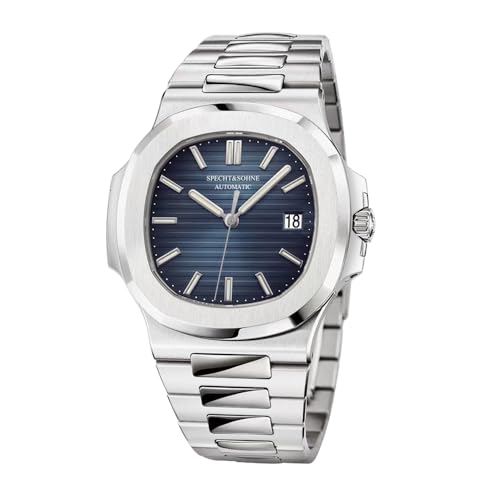
To ensure optimal functionality and longevity in mechanical timepieces, manufacturers often incorporate high-quality stones into their movements. These components help to reduce friction between moving parts, thus enhancing precision and durability. Typically made of synthetic ruby or sapphire, these pieces withstand wear and tear, which contributes significantly to the overall lifespan of the mechanism.
When examining a timekeeper, check the number of implemented stones; a higher count generally indicates superior craftsmanship and engineering. Models with 17 to 25 stones are standard for automatic mechanisms, while some luxury items boast up to 50. These pieces are strategically placed in critical areas, such as pivots and gear shafts, to maintain the smooth operation of the inner workings.
Identifying the stone materials can inform potential buyers about the quality of a timepiece. For instance, synthetic rubies are often preferred due to their hardness and excellent wear resistance. This aspect not only promotes longevity but also enhances the precision of timekeeping. In contrast, inferior alternatives may lead to more frequent maintenance and repairs, undermining the overall investment value.
Understanding the Role of Jewels in Movement Mechanics
Jewels function as friction reducers in mechanical movements, ensuring smoother operation and enhanced durability. Typically made of synthetic rubies or sapphires, these components are strategically placed in key areas such as gear trains and escapements. The incorporation of these elements minimizes wear and tear, extending the lifespan of the intricate mechanisms.
Friction Management
The primary advantage lies in their ability to decrease friction between moving parts. Traditional materials can lead to significant loss of energy and efficiency. By utilizing synthetic gems, the movement operates with greater precision, resulting in more accurate timekeeping. Critical contact points benefit from these materials, allowing for seamless interaction and reducing the need for frequent maintenance.


Impact on Performance
The number of gems used varies widely across models, typically ranging from 17 to upwards of 30. Elite timepieces may incorporate even more to enhance performance. Each gem serves a particular purpose, ensuring that crucial components like the balance wheel and lever function optimally. This careful design translates to reduced wear in moving parts, offering greater reliability and longevity for the timekeeping device.
The Types of Jewels Used in Timepieces
Rubies and sapphires stand out as the most commonly employed materials in horology. Their hardness and low friction properties reduce wear, enhancing the durability of mechanisms.
Natural and Synthetic Options
Natural gemstones, such as mined rubies, feature unique characteristics. Contrarily, synthetic varieties, with the same composition as natural stones, deliver consistent quality and are less expensive. Both types provide similar benefits regarding friction reduction.
- Natural Rubies: Often preferred for luxury models, adding a touch of elegance.
- Synthetic Rubies: Common in standard timepieces, offering reliability.
- Synthetic Sapphires: Used mainly for escapements due to their resilience.
Alternative Materials
Some modern timepieces utilize materials like diamond or ceramic, though less prevalent. These alternatives cater to specific needs:
- Diamonds: Known for their exceptional hardness, often found in high-end designs.
- Ceramic-Based Options: Provide aesthetic appeal and resistance to scratching.
In summary, the choice of materials influences both the functionality and aesthetic appeal of timekeeping devices, ensuring accurate performance while enhancing the visual aspects.
How Jewels Reduce Friction in Timepieces
Utilizing synthetic sapphires or rubies significantly minimizes wear between moving components in horological devices. The high hardness and smooth surface of these materials reduce direct metal-to-metal contact, decreasing friction dramatically.
Strategically placing these components in critical areas, such as pivots, escapements, and gears, promotes longevity and enhances accuracy. By doing so, the energy loss from friction is minimized, allowing the mechanism to function more smoothly.
Moreover, these synthetic elements perform exceptionally well in various environmental conditions, maintaining their properties over time. This stability ensures consistent performance, even under varying temperatures and humidity, further prolonging the lifespan of intricate mechanisms.
In addition, the lubrication between these gems and the shafts is crucial. A layer of lubricant, typically a specially formulated oil, works alongside these components to create a frictionless environment, ensuring optimal functionality. Regular maintenance of lubrication is paramount to sustain efficiency.
Transitioning to newer materials can offer even greater benefits, including resistance to dust and degradation. However, the classic choices remain popular due to their proven reliability and effectiveness in reducing friction in intricate timing devices.
Identifying the Number of Jewels in Your Timepiece
Check the case back for markings that indicate the number of gemstones. Most manufacturers engrave this information on the outer surface. If the back of the timekeeper is transparent, a visual inspection may reveal the components within, allowing you to count the visible stones directly.
Refer to the manufacturer’s manual or website for specifications related to your model. This documentation typically includes details about the internal mechanics, including how many synthetic gems are utilized.
Testing for Precision
Monitor the accuracy of your time instrument over several days. A model with a higher count of gems generally has better timekeeping ability, as these components reduce friction and wear. If you experience significant deviations, it may warrant further investigation into the watch’s build.
Consult an Expert
If still uncertain, seek assistance from a qualified horologist. They can provide detailed insights into your timepiece’s internal structure and gem count, including an evaluation of the movement, ensuring that you have accurate information about its craftsmanship.
The Impact of Jewels on Timepiece Longevity and Performance
Incorporating quality synthetics or natural stones within the internal mechanisms significantly influences durability and accuracy. These components create a reliable barrier against wear and tear, extending the lifespan of the timekeeping instrument.
Due to their hardness and smooth surfaces, these materials minimize friction points. This capability reduces the need for frequent maintenance, ultimately leading to better timing stability over extended periods. The reduction in wear also ensures that the intricate mechanics remain intact, preserving the watch’s intricate design and function.
Additionally, the precision in manufacturing allows for tighter tolerances, improving the overall performance of the movement. Mechanisms benefit not only from decreased friction but also from enhanced resilience against external shocks and environmental conditions, contributing to a consistent timekeeping experience.
Monitoring the quantity of embedded elements in the movement can provide insight into potential maintenance needs. A higher count usually suggests a more complex system, which may offer greater durability, but can also require more meticulous care and service. Understanding this balance is essential for those seeking reliability in their timepieces.