
 Ethan Cole

Throughout history, the evolution of timekeeping instruments has played a significant role in shaping our daily lives. The concept of portable time-telling devices traces its roots back to the late 16th century when portable mechanisms were first introduced. In the 17th century, advancements led to the creation of small, pocket-sized mechanical devices that eventually paved the way for more compact designs.
During the 19th century, specifically around the 1860s, the transition from pocket models to wearable devices began to gain traction. The development of wrist adornments capable of indicating time started to emerge, initially designed primarily for the use of women. However, by the late 19th and early 20th centuries, male users also recognized their practicality and style, particularly among military personnel during conflicts.
In summary, the introduction of timepieces designed for the wrist didn’t happen overnight. It was a gradual transformation influenced by both societal needs and technological advancements. As we explore this fascinating progression, it becomes clear that what we wear on our wrists is not merely a fashion statement but an intricate part of our historical narrative.
The Invention of Wrist Timepieces
The first recorded instances of timepieces worn on the wrist date back to the 16th century. In 1868, the Swiss watchmaker Patek Philippe created a piece for Countess Koscowicz of Hungary. This marked a pivotal moment in the evolution of wearable horology.
Main Developments
The late 19th century witnessed the transition from pocket devices to wearable designs. By the early 20th century, military personnel frequently utilized these portable time indicators during World War I, emphasizing their practicality.
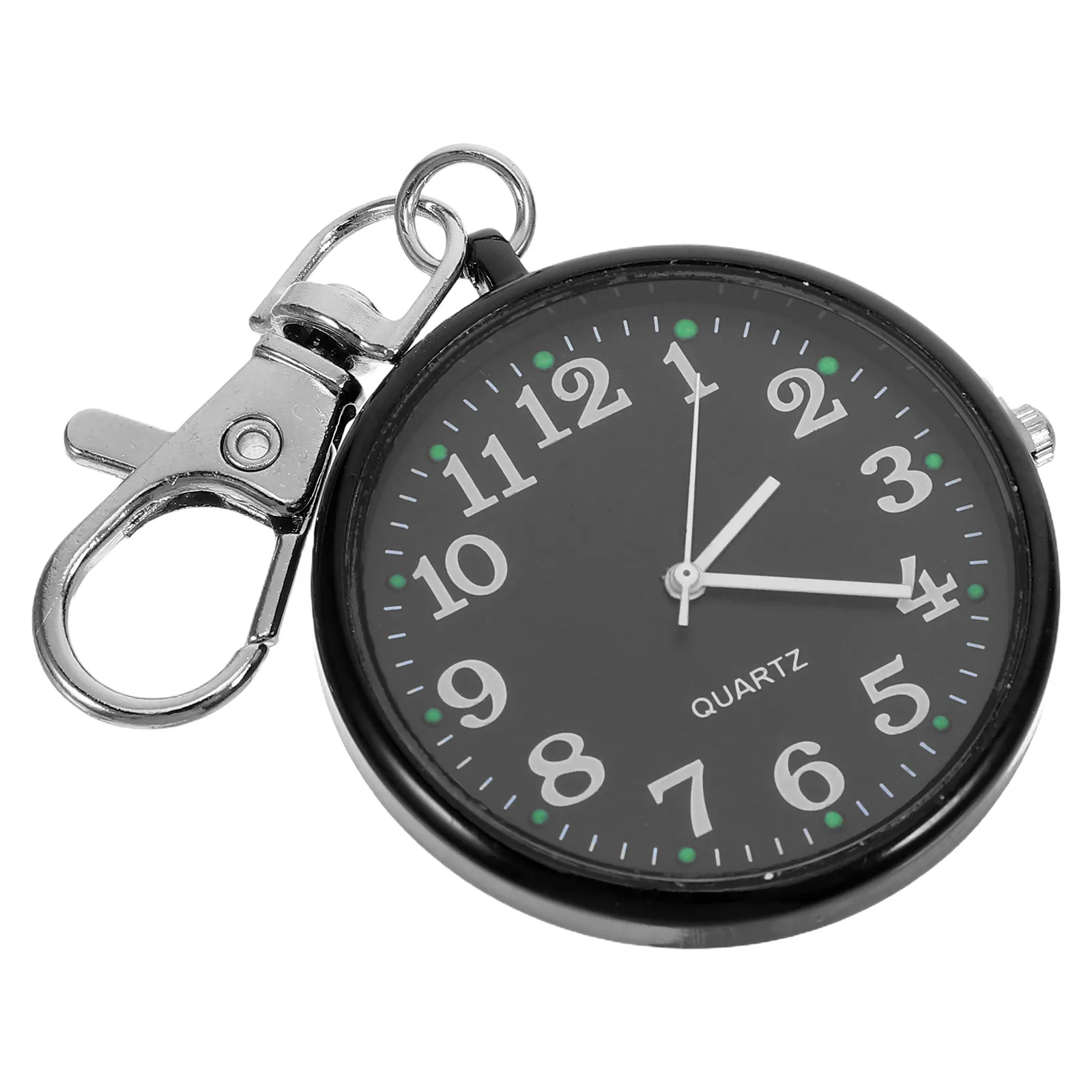
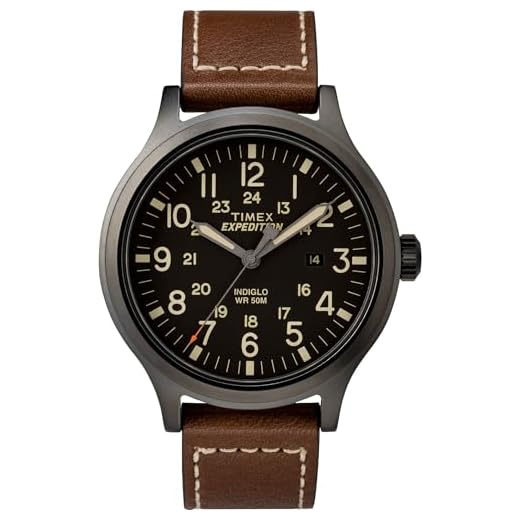
<h3Modern Innovations
<p.In the 1970s, quartz technology transformed portable timekeeping, offering unprecedented accuracy and affordability. This innovation led major brands to adapt and elevate their designs, paving the way for contemporary styles and smart models that integrate advanced technology.
Historical Context of Timekeeping Devices
The evolution of timekeeping tools can be traced back to various ancient civilizations. Initially, sundials and water clocks served as primary means for measuring time, dating as early as 1500 BCE in Egypt and China. These devices relied on natural phenomena, such as the position of the sun or the flow of water, to indicate the passing of hours.
Transition to Mechanical Clocks
The transition from rudimentary methods to mechanical systems marked a significant advancement. By the 13th century, mechanical clocks appeared in European monasteries, primarily designed to signal prayer times. The adoption of the escapement mechanism in the late Middle Ages allowed for more precise measurements.
Influence of Pocket Timekeepers
The 16th and 17th centuries saw the proliferation of portable timepieces, which were precursors to modern forms. Pocket models, often ornate and crafted by skilled artisans, became fashionable among the elite. These devices not only offered practical utility but also served as status symbols.
- Ancient Egypt: Sundials, around 1500 BCE.
- China: Water clocks, also around 1500 BCE.
- 13th Century: Emergence of mechanical clocks in monasteries.
- Late Middle Ages: Introduction of the escapement mechanism.
- 16th Century: Rise of portable timepieces for the elite.
In summary, the development of timekeeping devices illustrates a gradual progression from simple, nature-based methods to more complex and precise mechanical innovations. These milestones laid the groundwork for the subsequent emergence of personal timepieces.
The Transition from Pocket Timepieces to Strap-Mounted Devices
Shifting from pocket timepieces to strap-mounted devices marked a pivotal moment in horological history, driven by both fashion and functionality. Early adopters, primarily military personnel, recognized the necessity of hands-free time monitoring. During the late 19th century, manufacturers began to experiment with designs that allowed for wearable formats, leading to heightened popularity among various demographics.
Military Influence
Militaries played a significant role in this transformation. The demand for soldiers to keep track of time while on the move prompted the creation of more robust and practical designs. The onset of World War I solidified this trend, as troops required reliable timepieces that could be easily accessed without fumbling–an impracticality of traditional pocket devices.
Fashion and Functionality
The post-war era witnessed a surge in acceptance of strap-mounted devices among civilians. As society transitioned towards modern lifestyles, the practicality and style of these accessories became integral to everyday attire. Brands began to innovate, using various materials such as leather and metal for bands, thus appealing to broader markets and personal tastes.
Key Innovators in Watch Design
Two significant pioneers made major contributions to the development of timepieces worn on the wrist, elevating their design and function to a new level. The first, Louis Cartier, introduced the Tank watch in 1917. Inspired by tank vehicles from World War I, Cartier emphasized geometric shapes and clean lines, establishing an aesthetic that influenced countless subsequent models.
Another influential figure was Hans Wilsdorf, co-founder of Rolex. He was instrumental in promoting the concept of precision and reliability in timekeeping. The introduction of the Oyster case in 1926 marked a turning point, providing waterproof protection and enhancing the practicality of these accessories. Wilsdorf’s commitment to quality created a lasting legacy in this field.
Additionally, the 1960s and 1970s saw Seiko’s introduction of the first quartz timepiece, drastically altering production methods and accuracy standards while inspiring competition among luxury brands. This seismic shift reshaped consumer expectations and market dynamics.
The innovation didn’t stop there; designers like Gérald Genta left an indelible mark with iconic pieces such as the Audemars Piguet Royal Oak. His vision combined elegance with sportiness, showcasing how design can reflect personal style while maintaining functionality.
Ultimately, these trailblazers transformed the functionality and fashion of timepieces, ensuring their significance in culture and technology persists through generations.
The Impact of World War I on Wrist Watch Popularity
The global conflict that began in 1914 drastically altered the perception and usage of timekeeping instruments. Trench warfare required soldiers to synchronize their movements and operations, leading to a significant shift from traditional pocket timepieces to alternatives worn on the arm.
Military Innovation and Practicality
Combatants found that carrying a pocket timepiece was cumbersome, particularly in the harsh conditions of the battlefield. The emergence of timepieces designed for the wrist allowed for easier access and quick glances at the time without hindering mobility. This practicality cemented the wrist-mounted variety as vital for military operations, promoting their widespread acceptance and adoption.
Post-War Cultural Shift
After the war, returning veterans influenced civilian fashion trends by popularizing the use of arm-mounted timekeepers. The association with military service added a sense of functionality and style that appealed to the public. Manufacturers refined their designs, incorporating aesthetics that aligned with contemporary tastes, which led to a surge in production and the establishment of a market for these accessories. This cultural transformation ensured that wrist timepieces became a staple in everyday life, marking their permanence in society beyond military usage.
Technological Advancements in Timepiece Manufacturing
Quantum mechanics has influenced precision in the crafting of timepieces, leading to the introduction of atomic and laser technologies. These innovations significantly improved the accuracy of movements, resulting in timekeeping devices that rarely deviate from the true time by more than a few seconds per year.
Materials and Durability
Advancements in materials science have also transformed timepiece manufacturing. The incorporation of ceramics, titanium, and sapphire crystals has increased durability while reducing weight. These materials offer enhanced resistance to scratches, chemical damage, and extreme temperatures, appealing to a wider range of users, from athletes to luxury enthusiasts.
Smart Technology Integration
The rise of smart technology has led to a new category of multifunctional timepieces. With features such as fitness tracking, notifications, and GPS, modern timepieces have expanded their utility beyond traditional timekeeping. This integration of technology requires manufacturers to continuously innovate both in software and hardware to meet consumer expectations.
| Technology | Impact on Manufacturing |
|---|---|
| Quantum Mechanics | Improved movement accuracy |
| Advanced Materials | Increased durability and reduced weight |
| Smart Technology | Added functionality and user engagement |
Continuous research in energy efficiency has also led to the development of solar-powered movements, significantly extending the life of batteries. These advancements reflect a growing consumer demand for sustainability and convenience, reshaping the industry standards.


