Ethan Cole

Historical evidence indicates that timekeeping devices existed in various forms long before modern mechanisms. While the concept of portable timepieces as we know today wasn’t yet realized, innovative methods for tracking time were developed. Investigating these systems provides insight into the cultures that utilized them.
In particular, the use of sundials and water clocks illustrates the early ingenuity in measuring time. These technologies reflected an understanding of celestial movements and water flow, showcasing a sophisticated awareness of the passage of time. Such devices were often integral to societal organization and agricultural practices.
Research suggests that personal adornments, albeit not resembling contemporary timepieces, might have served similar purposes. For example, decorative items may have included elemental designs indicative of timekeeping functions, reflecting the significance of temporal awareness in daily life.


Chronometric Devices in Sumerian Culture
In assessing the timekeeping methods of the Sumerian civilization, it is essential to reference their advancements in measuring time rather than suggesting the use of personal timepieces. These individuals utilized sundials and water clocks, marking the passage of hours through naturally occurring phenomena.
Time awareness was critical for agricultural practices and religious ceremonies, driving the need for accurate timekeeping systems. The Sumerians developed a sexagesimal (base-60) system, influencing the division of hours and minutes.
Key timekeeping instruments included:
- Sundials: Utilized shadows cast by the sun to indicate time during daylight.
- Water Clocks: Employed regulated water flow to measure temporal intervals.
Personal adornments that served functional purposes may have included jewelry that indicated social status, yet they did not encompass time-telling devices akin to modern wrist instruments. Such technological constraints shaped how these civilizations interacted with the concept of time, focusing on communal rather than individual time tracking.
In conclusion, no evidence supports the existence of personal time-measuring devices akin to contemporary styles within this society. Timekeeping was a collective enterprise, rooted in practical applications for daily life and rituals rather than personal gauges. Understanding these tools clarifies the cultural significance of time in Sumerian society without drawing parallels to modern mechanisms.
Examination of Timekeeping Methods in Ancient Sumer
The civilization utilized various innovative approaches for tracking time, primarily based on celestial and natural phenomena. One of the most prominent methods was the division of the day using a sundial, which leveraged the sun’s position to indicate time. This system relied on the use of gnomons, objects that cast shadows, allowing individuals to estimate the passing hours.
Another significant technique was the lunar calendar, consisting of 12 months that corresponded to the cycles of the moon. Each month began with the sighting of the crescent moon, which was crucial for agricultural planning and religious observances. This method provided a framework for societal organization and events.
Besides these techniques, water clocks, or clepsydras, were invented to measure time intervals using the steady flow of water. This technology allowed for a more precise measurement compared to shadow-based systems, making it useful for administrative tasks and public ceremonies.
In addition to these timekeeping devices, the Sumerians developed a sexagesimal (base-60) numerical system. This numeric structure enabled them to divide the day into 60 minutes and the hour into 60 seconds, laying the groundwork for modern timekeeping practices.
| Timekeeping Method | Description | Purpose |
|---|---|---|
| Sundial | Utilized the sun’s position for shadow casting | Daily time tracking |
| Lunar Calendar | Based on moon cycles, consisting of 12 months | Agricultural and religious scheduling |
| Water Clock | Measured time intervals through water flow | Precise time measurement |
| Sexagesimal System | Numerical system based on 60 | Dividing day and time for accuracy |
These various methods highlight the sophisticated understanding of time that this civilization possessed and their influence on future developments in timekeeping. Each technique served a unique purpose in the administration, religion, and daily life, demonstrating a complex relationship with time management.
Analysis of Jewelry and Accessories in Sumerian Culture
Jewelry in Sumer showcased a rich array of materials and designs, serving both decorative and symbolic purposes. Artisans utilized gold, silver, lapis lazuli, and carnelian to create pieces ranging from intricate necklaces to elegant earrings. Distinctive motifs, including animal representations and divine symbols, were prevalent, reflecting religious and social significance.
Accessories, such as hairpins and bracelets, were crafted meticulously, often adorned with semi-precious stones. These items not only exhibited craftsmanship but also indicated status, with wealthier individuals sporting more elaborate designs. Daily life was complemented by simple adornments that balanced utility and style, serving both functional and decorative roles.
Symbolism in Adornments
Many ornaments featured designs that signified protection, fertility, and power, integrating spiritual beliefs into personal attire. For example, ankh or tree of life motifs were common, believed to grant the wearer strength or a connection to the divine. Social hierarchies were also mirrored in adornment styles, with distinct differences marking class and status.
Practical Uses of Jewelry
Beyond aesthetics, some items had practical applications; for instance, brooches acted as clasps for garments. In addition, jewelry served as currency in trade, with pieces crafted not solely for adornment but also for economic purposes. This duality underscores the importance of accessories in Sumerian society, intertwining material culture with daily practices.
Comparison of Time Measurement Devices
The evaluation of time measurement techniques in early Mesopotamia reveals a variety of tools and methods, primarily reflecting astronomical observations.
- Water Clocks: These devices represented one of the earliest known chronological tools, utilizing the steady flow of water to measure time intervals. The water was dripped at a consistent rate, allowing for the tracking of hours based on the amount collected.
- Shadow Clocks: Utilizing the sun’s movement, these clocks were designed with vertical posts casting shadows on a graduated surface. Time was indicated by the position of the shadow, enabling day time measurement.
- Astronomical Observations: Celestial bodies played a significant role in timekeeping. The consistent cycles of the moon and stars were meticulously tracked, aiding in calendar formation and agricultural planning.
- Measuring Rods: Used primarily for timing workdays and tasks, rods marked with increments allowed laborers to gauge the duration needed for various activities in a more physical format.
While wrist adornments and jewelry served aesthetic purposes, the methodical nature of time measurement in this civilization was dictated by functional tools rather than wearable timepieces. These artifacts collectively illustrates a society dedicated to precise timekeeping, reflective of its advanced understanding of the natural world.
Implications of Time Tracking on Sumerian Society
Precise timekeeping influenced various aspects of Sumerian life, from agriculture to religious practices. The ability to monitor and allocate time affected when crops were planted and harvested, thus impacting food supply and sustainability.
Socioeconomic Structures
The organization of labor in urban centers relied heavily on efficient time management. Scheduling work shifts and coordinating large projects were crucial for trade and construction endeavors, such as ziggurats. Time awareness facilitated a thriving economy where merchants could optimize trading intervals and enhance profitability.
Cultural Practices
Religious ceremonies and festivals were meticulously timed. The harmonization of calendrical observations with celestial events underscored the civilization’s connection to deities and agricultural cycles. Timekeeping was, therefore, not only a practical tool but also a means of reinforcing cultural identity and spiritual beliefs.
Modern Interpretations of Ancient Sumerian Timekeeping
Research into time measurement techniques from early civilizations reveals intriguing reinterpretations in contemporary contexts. Various scholars and designers have drawn inspiration from traditional Sumerian methods, integrating them into modern horology and lifestyle concepts.
Innovative Applications of Mesopotamian Time Concepts
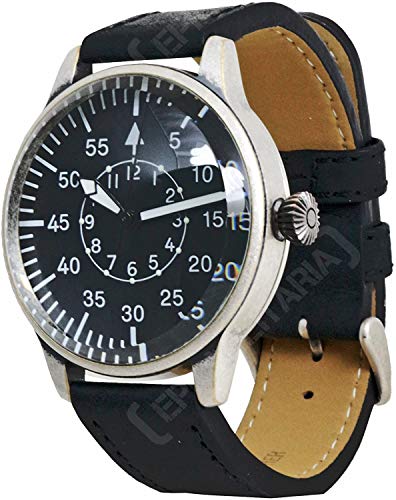
Modern designers often reference the sexagesimal system, which originated in Sumer. This base-60 numeral system not only influenced the division of hours and minutes but also serves as a foundational principle in creating contemporary timepiece designs. Some watches utilize a 60-minute scale, echoing Sumerian contributions to the concept of temporal divisions.
Cultural Reflections in Contemporary Design
The remnants of Sumerian culture inspire current jewelry and decorative arts. Items resembling typical Sumerian accents, such as geometric shapes and intricate engravings, are found in today’s accessories. By integrating such motifs, modern artisans not only pay homage to past civilizations but also evoke a distinct narrative linked to the history of timekeeping.
Moreover, discussions about the Societal impacts of these time measurement devices remain relevant. Time-tracking methodologies in ancient settings propelled advancements in agricultural scheduling, religious practices, and social organization, contextualizing their significance in modern society.