
 Ethan Cole
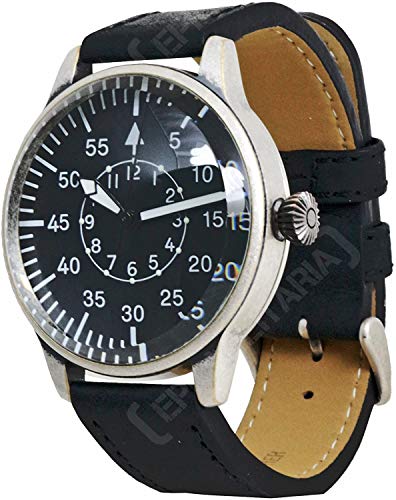
Reliable navigation capabilities are paramount for aviators, making features like a precision altimeter and chronograph functionality non-negotiable. A robust altimeter assists in tracking altitude changes during flight, while a chronograph enables effortless timing of critical maneuvers and navigational calculations.
Durability plays a significant role, as these instruments must withstand the rigors of aviation. Materials like sapphire crystal and stainless steel provide enhanced resilience against scratches and adverse weather conditions. Water resistance is a necessity, ideally rated at least to 100 meters, ensuring reliability in various environments.


Legibility in varying light conditions greatly affects usability. A well-designed face with luminous markers and hands ensures readability during day and night. Additionally, options with anti-reflective coatings on the glass contribute to clearer visibility, reducing glare from sunlight.
Lastly, a reliable power source, whether mechanical or quartz, should offer stability and accuracy. Users should also consider models with extended battery life or automatic winding systems, ensuring constant performance during lengthy flights.
Key Features for Navigation Assistance
Incorporate a built-in altimeter to monitor altitude changes accurately, crucial for both ascent and descent tracking.
Ensure the presence of a barometer for real-time weather data, aiding in atmospheric pressure observation and storm prediction.
Integrate a reliable compass feature, allowing for precise direction and orientation even in low visibility scenarios.
Compatibility with GPS systems is vital; this allows synchronization with navigation applications for enhanced route planning.
Incorporate waypoint functionality, enabling the marking of specific locations for quick reference during flights.
Utilize a user-friendly interface for seamless access to navigation tools under various conditions, including gloves or in bright sunlight.
A long-lasting battery life is essential, offering extended use without frequent recharging, especially during long flights.
Feature legible and contrasting display elements for quick reading of critical information without strain.
Allow for customization of navigation data display, enabling pilots to prioritize and adjust the information according to their needs.
Durability Standards for Aviation Environments
Seek models built to withstand extreme conditions. Aim for materials such as titanium or high-grade stainless steel, providing resistance to corrosion and wear.
Consider water resistance rated at least 100 meters, ensuring reliable performance during unpredictable weather and potential splashes in the cockpit.
Look for products tested under military specifications, such as MIL-STD-810, which ensures resilience against shocks, vibrations, and varying temperatures.
The crystal should be made from sapphire, guaranteeing scratch resistance, crucial for clear readability in stressful situations.
Evaluate battery longevity, especially in quartz timepieces. A life of over two years is desirable to minimize maintenance during lengthy missions.
Ergonomics play a role; opt for a design that accommodates gloves or other protective gear. A legible face and contrasting colors enhance visibility under low light or glare.
Lastly, check if a warranty accompanies the product, covering damages incurred under expected operational conditions. A quality guarantee reflects the manufacturer’s confidence in their durability standards.
Accuracy Requirements for Timekeeping
A high-performance timepiece must maintain accuracy within ± 10 seconds per month. This standard is critical for pilots relying on precise timing for navigation and communication tasks.
Temperature variations can affect a timepiece’s accuracy. Selecting a model that operates effectively between -20°C and +60°C enhances performance in varying altitudes and climates, ensuring reliability in diverse conditions.
Quartz movements typically provide superior precision compared to mechanical options, making them preferable for aviation purposes. A temperature-compensated quartz system can further mitigate inaccuracies due to environmental changes.
Regular calibration is recommended, ideally every six months, to ensure ongoing precision. Investing in timepieces that offer automatic calibration features simplifies this process, aiding pilots in maintaining optimal accuracy.
Lastly, selecting models with clear visibility for its markings and hands under various lighting conditions supports effective time reading, an essential factor during critical flight operations.
Battery Life Expectations for Long Flights
For extended air travel, a timepiece should offer a minimum battery life of 200 hours in regular mode. Ideally, consider models with low-power settings or those that utilize solar technology, which can significantly prolong runtime.
When selecting a timekeeping device, focus on those with specialized modes. Features such as power-saving modes or ‘aviation styles’ that consume less power can greatly enhance battery longevity. Brands that provide user-replaceable batteries are advantageous, as they allow quick swaps during layovers.
Regularly monitoring battery levels is crucial. Some advanced devices feature alerts for low power, enabling timely replacements to avoid unexpected downtime. Always check if the unit has a known history of battery performance issues during prolonged use.
For safety, maintain a backup battery or an additional timepiece. This ensures that if the main unit fails, you remain synchronized with flight schedules or crucial navigation tasks.
Design Considerations for Readability Under Stress
High contrast between the dial and hands significantly enhances visibility, particularly in low-light scenarios. Opt for materials like luminescent coatings for hour markers and hands to ensure they stand out during critical moments.
Font and Markers
Select a bold, sans-serif font for numerals to facilitate quick reading. Numeric indices should differ from one another in shape or size, providing instant recognition under pressure.
Display Options
Consider analog-digital combinations, allowing for rapid time and altitude assessments. Ensure digital displays utilize large, easily readable digits with clear delineations between hours, minutes, and seconds.
Compatibility with Other Aviation Instruments
An ideal model should offer robust interoperability with various aviation devices, enhancing the pilot’s operational effectiveness. Key compatibility factors include integration capabilities with navigation systems, autopilot interfaces, and communication tools. This ensures seamless data exchange, allowing for real-time situational awareness during flights.
Integration with Navigation Systems
Instruments like GPS receivers and multi-function displays (MFD) often provide crucial flight data. Ensure the chosen timepiece can receive and display information from these systems, presenting critical parameters like waypoints and course corrections directly on the watch face.
Communication Tool Linkage
Facilitating connections with communication devices, such as radios and transponders, is essential. A model that syncs with these tools enables quick access to vital operational information, offering alerts for traffic advisories or changing air traffic control directives right on the wrist.
| Feature | Description |
|---|---|
| Data Exchange | Ability to exchange data with avionics systems. |
| Real-Time Updates | Immediate access to navigation and communication information. |
| Alert Compatibility | Notification system for critical updates or warnings. |
| Bluetooth Connectivity | Wireless connection with various aviation devices. |



