
 Ethan Cole

For those seeking clarity, positioning a timekeeping accessory on the left side is the most widely accepted choice. This allows for easier access and minimizes potential damage while performing daily tasks.
By placing it on the non-dominant limb, you reduce the likelihood of scratches when engaging in activities that involve your primary hand. Additionally, wearing it on the left allows the wearer to gently manipulate the crown for adjusting time without awkward contortions.

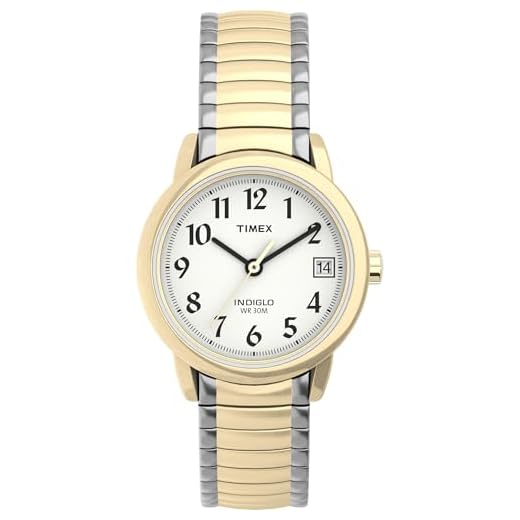
In various contexts, notably among watch enthusiasts and professionals, the left side has become a traditional norm. However, personal preference and comfort are paramount; selecting which arm suits your lifestyle is equally valid. If you lean towards the right side for convenience or style, feel free to follow that inclination.
Recommended Placement for a Timepiece
Typically, position a timepiece on the left wrist for right-handed individuals. This orientation provides ease of access and minimizes interference with daily activities.
For those who are left-handed, placing the accessory on the right wrist can enhance comfort and usability. This choice allows for smooth operation without hindrance.
Specific designs, such as larger or bulkier models, may also dictate placement preferences. Smaller devices usually fit well on either wrist, depending on the user’s preference.
Ultimately, personal habit plays a significant role. Whichever side feels most natural will often lead to the best experience.
Choosing the Right Wrist for Your Timepiece
Opt for your non-dominant side for practicality and comfort. This placement minimizes the risk of scratches and damage while performing daily tasks.
If dressing formally, consider aesthetics. A left position is traditional for gentlemen, allowing for a polished appearance when shaking hands, while ladies may choose based on style preference.
Pay attention to the size and weight of the accessory. Larger models may feel balanced on the dominant side, while lighter designs often rest more comfortably on the opposite side.
Wrist measurements matter, too. Ensure the curvature of your selected area allows for a snug fit without excessive tightness, providing both function and style.
In sporty settings, adaptability is key. Choose either arm based on suit functionality; a secure fit can enhance performance during activities.
Finally, consider personal style and preferences. Individuality plays a significant role in deciding placement; don’t hesitate to express yourself through your choice.
Wrist Watch Styles and Hand Placement
For optimal comfort and style, select a side for your timepiece based on its design and functionality. Consider the following recommendations:
- Classic Timepieces: Typically worn on the left side for ease of access, allowing for quick glances while writing or using a computer.
- Sport Models: Often designed to be more robust and suitable for either side. Test before committing to a specific wrist for better comfort during activities.
- Smartwatches: Many individuals prefer the left side for seamless pairing with smartphones, facilitating notifications and interactions.
- Fashion Statements: Placement can depend on personal style. Experiment with both sides to see what complements your outfit.
Adapt your choice based on specific occasions. For formal events, a sleek profile on the left may present a polished look, while casual outings might allow for a more relaxed approach. Always prioritize comfort to ensure the piece fits well with daily activities and interactions.
- Assess the functionalities of your chosen design.
- Determine your primary activities throughout the day.
- Try on different sides to feel where the fit is most natural.
Ultimately, prioritize personal preference and practicality to enhance your daily experience with the accessory.
Cultural and Regional Preferences for Watch Placement
In many cultures, watch placement can reflect personal or societal values. For instance, in certain Eastern cultures, wearing a timepiece on the right may symbolize respect and humility, aligning with traditions that emphasize modesty.
Regional Variations
European enthusiasts often prefer the left side for practicality, as it allows easier access while performing daily tasks, such as writing or typing. Conversely, in parts of South America, there’s a tendency to choose the right arm, aligning with different customs and lifestyle choices.
| Region | Preferred Side | Cultural Significance |
|---|---|---|
| North America | Left | Convenience and tradition |
| Europe | Left | Ease of access, practical |
| South America | Right | Cultural identity and practices |
| Asia | Right | Symbol of respect and humility |
Modern Trends
Recent trends show a blend of global influences, with many opting for whichever side feels more comfortable, regardless of traditional norms. This reflects a shift towards personal expression over cultural dictates, allowing wearers to interpret timepieces as a fashion statement rather than merely a tool for timekeeping.
Functional Perspectives for Left vs. Right Wearers
For individuals favoring left-side placement, opt for designs that ensure easy adjustments and reading. A crown positioned on the right side allows for effortless winding and setting of time, minimizing discomfort during use.
On the contrary, right-side wearers should consider timepieces with a left-side crown. This configuration simplifies usability and prevents accidental engagements while engaging in daily activities.
Durability features become indispensable for both orientations. Waterproof and scratch-resistant qualities enhance functionality, ensuring reliability during various activities.
For those involved in sports or active lifestyles, lighter models with secure fastening systems are vital. These attributes prevent unwanted movement and add comfort during exertion.
Smart features, like connectivity options, should align with preference for placement. Functionality like notifications should remain accessible without hindering natural movements.
Choosing the right piece involves evaluating wrist size and proportions. Smaller wrists may benefit from slimmer designs, while larger ones can accommodate bulkier models without losing comfort.
Ultimately, selecting the best configuration hinges on lifestyle, activity level, and personal comfort, ensuring maximum usability for daily wearers.
Adjusting Your Timepiece for Comfort and Accessibility
Ensure the band fits snugly but comfortably on the wrist. A proper fit prevents sliding and irritation, allowing for easy access to dials and features. For those who frequently use touchscreen displays, consider adjusting the position for quick usability.
Regularly check the tightness of the strap. If it feels loose or too tight, use the available links or adjustments to achieve optimum comfort. A well-fitted accessory minimizes distractions and maintains focus on tasks at hand.
Beyond size, consider the material of the band. Soft, flexible options, such as silicone or leather, provide better comfort for extended wear. Be mindful of any particular materials that may cause allergic reactions to the skin.
Positioning also plays a role in functionality. If frequently using the dominant arm for tasks, wear the accessory on the opposite side for convenience. This allows for unhindered movement during daily activities.
For those engaged in physical activities, make adjustments to ensure the piece stays secure while in motion. Elastic or sport-focused designs can enhance stability during exercise routines.
Lastly, re-evaluate comfort and accessibility periodically, especially with changes in activity levels or fashion preferences. A regularly adjusted fit will enhance the overall experience and utility of the timepiece.



