
 Ethan Cole

If precision is your priority, opting for a timekeeping device that synchronizes with atomic signals is a brilliant choice. These sophisticated instruments receive time information from atomic clock signals, ensuring unparalleled accuracy of up to one second in millions of years.
The most recognized models in this category utilize radio waves to calibrate themselves automatically, thereby eliminating the hassle of manual adjustment. Make sure to select a model compatible with your geographical location, as signal reception can vary significantly across different regions.
In addition to accuracy, many of these timepieces offer features such as solar power, enhancing longevity and reducing the need for battery replacements. Look for models that display not only the time but also additional information like date, world time zones, and even alarms.
Understanding Atomic Timekeeping Devices
Opt for timepieces that synchronize with atomic clocks, ensuring unparalleled accuracy. These devices utilize radio signals transmitted from national time standards, allowing them to maintain precise time down to the millisecond.
Here are key features to consider:
- Signal Reception: Look for models that can pick up signals from multiple atomic clock sources, enhancing reliability and coverage.
- Battery Life: Select options with extended battery life, as constant signal reception can drain power quickly.
- Design: Choose a style that suits personal aesthetics while incorporating advanced technology.
- Durability: Prioritize robust materials that withstand daily wear and tear, especially if active use is anticipated.
Regular updates via atomic signals allows these devices to adjust for factors such as leap seconds, ensuring consistent precision that surpasses traditional quartz technology.
For enthusiasts, consider models with additional features like GPS functionality or smartphone connectivity, enriching the user experience while maintaining accurate timekeeping.
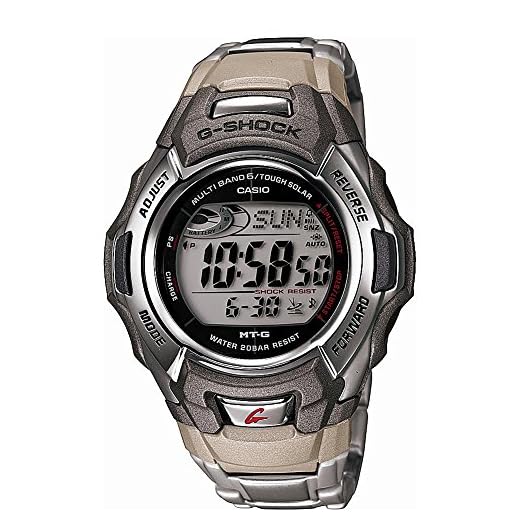
How Atomic Watches Synchronize with Time Signals
These timepieces synchronize with radio frequency signals emitted by atomic clocks, typically found in government laboratories worldwide. The most commonly utilized frequencies are 60 kHz and 77.5 kHz, which are broadcasted by stations in the United States and Europe, respectively.
Upon receiving the signal, the device decodes the data, allowing it to adjust automatically to the accurate time. This process occurs several times a day, ensuring precision even with slight time deviations.
The synchronization mechanism employs an embedded radio receiver, which continuously scans for the time signal. Once detected, it activates an internal microcontroller that coordinates the adjustment of the clock’s hands or digital display to match the precise time.
The signal transmission is based on the standard set by the National Institute of Standards and Technology (NIST) in the United States, which is derived from Coordinated Universal Time (UTC). This connection ensures that no matter the geographical location, the displayed time remains remarkably accurate.
In regions where radio signals are weak or nonexistent, some models may utilize GPS signals. These devices calculate time based on satellite information, offering an alternative for synchronization.
Finally, many advanced versions incorporate backup mechanisms, maintaining function in situations where synchronization is interrupted, thus offering reliability across different environments.
Benefits of Using an Atomic Timepiece for Accuracy
Opt for a timepiece that synchronizes with precise signals to attain unparalleled precision in your schedule. These devices utilize radio signals from dedicated transmitters to maintain spot-on timekeeping, reflecting the world’s standard time. This accuracy is particularly beneficial for those in fields requiring meticulous time management, such as aviation or scientific research.
Regular self-correction ensures that your accessory remains aligned with time changes, including daylight saving adjustments. Users can depend on their instruments to reflect the correct time without manual adjustments, significantly reducing the risk of discrepancies.
Most advanced models possess features like temperature monitoring and altimeter functions, offering additional utility for outdoor enthusiasts and professionals alike. The resilience to external factors, such as electromagnetic interference, guarantees consistent performance in various environments.
Investment in such a timepiece guarantees longevity and reliability, as they often boast durable components and resistance to harsh conditions. With minimal maintenance requirements, these gadgets provide exceptional value over time compared to traditional alternatives.
Common Features of Modern Atomic Timepieces
Precision is paramount. Many contemporary timepieces utilize atomic signals to ensure unrivaled accuracy, often maintaining a deviation of just a second over millions of years. Such exceptional adherence to time allows users to rely on the displayed hour without concern for manual adjustments.
Self-Synchronization
These devices typically feature automatic synchronization capabilities, receiving time signals from dedicated atomic clocks around the globe. This self-adjusting function occurs daily or weekly, depending on the model, guaranteeing alignment with official time standards. Users benefit from a seamless experience as the need for frequent manual updates is eliminated.
Robust Build and Features
Durability characterizes these instruments. Many are crafted with water resistance, shockproof materials, and scratch-resistant surfaces to withstand everyday wear. Enhanced features often include multiple time zone settings, alarms, and calendar displays, catering to diverse user preferences. The combination of precision technology and resilient design makes these devices practical for various lifestyles.
Comparing Atomic Timepieces with Traditional Models
While both contemporary precision instruments and classic models serve the fundamental purpose of timekeeping, the differences in their mechanisms and functionalities set them apart significantly. Instruments relying on quartz crystal operate using battery power, providing reliable accuracy within seconds per month. In contrast, highly precise timepieces synchronize with universal time signals, achieving unparalleled accuracy to within one second over several million years.
Precision and Synchronization
In terms of precision, the latter offers superior synchronization capabilities, automatically adjusting to time signals broadcasted by atomic clocks. This feature eliminates the need for manual time setting, a common necessity with traditional models. Regular models may develop time drift, necessitating periodic adjustments, while synchronized counterparts maintain ideal accuracy without user intervention, showcasing a significant advantage for avid timekeepers.
Practical Functionality
Functionality further highlights their differences. Classic instruments may offer basic features like alarm and stopwatch functions, whereas advanced timepieces come equipped with additional features like world time display and solar charging, enhancing practicality. Users seeking precise timekeeping on a global scale benefit from built-in features adapted for travelers, making these modern devices more versatile. Assessing an individual’s lifestyle and specific needs can aid greatly in selecting the most suitable choice.
Maintaining Your Atomic Timepiece for Longevity
Regularly replacing the battery is crucial for ensuring the longevity of your precision timekeeper. Typically, a battery should be changed every two to three years. Always opt for high-quality batteries that are compatible with your specific model to avoid leakage and potential damage.
Cleaning and Care
Keep the exterior clean by gently wiping the casing with a microfiber cloth. For stainless steel models, consider using a specialized cleaner. Avoid abrasive materials, as they may scratch the surface. Ensure the seals are intact to maintain water resistance.
Storage and Handling
Store your device in a cool, dry place when not in use. Extreme temperatures can affect its functionality. Avoid exposing it to strong magnetic fields and direct sunlight for prolonged periods. When wearing, ensure that the strap fits comfortably to avoid unnecessary strain on the case.
| Maintenance Task | Frequency |
|---|---|
| Battery Replacement | Every 2-3 years |
| Cleaning | Monthly |
| Inspection of Seals | Annually |
| Storage Check | As needed |
By following these recommendations, your precision timekeeper can serve you reliably for many years, maintaining its accuracy and aesthetic appeal.



