Ethan Cole

The stopwatch capability in timepieces allows for precise timing and measurement of intervals. Utilizing sub-dials and pushers, this feature is designed to enable users to track elapsed time with remarkable accuracy. Whether for sports, cooking, or scientific experiments, selecting a model with this characteristic expands its usability significantly.
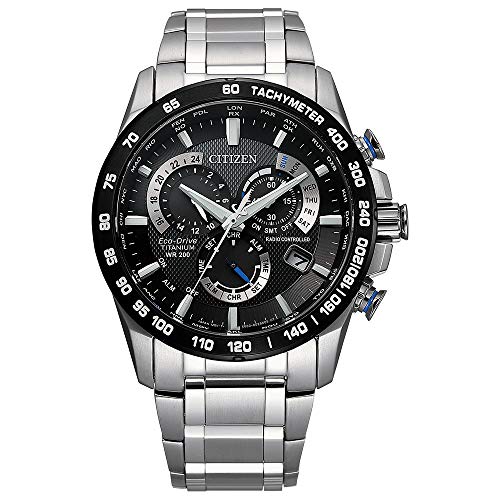
When considering a timepiece with stopwatch capabilities, look for a clear display that distinguishes between regular timekeeping and timing functions. The primary chronometer hand often starts and stops with a push of a button, while additional hands on the sub-dials keep track of seconds and minutes. This layout not only enhances readability but also ensures that measurements can be recorded efficiently.


Many mechanical and quartz options offer this capability, so evaluate your preference for movement type. Mechanical versions may provide a classic charm, while quartz alternatives usually offer precision and ease of use. Features like split-second timing and reset functions can also enhance the overall experience, making these timepieces suitable for a variety of activities.
Chronographic Features Explained
This timepiece variant facilitates precise timing for various activities, commonly including sports and laps. A typical setup includes a centralized second hand and sub-dials for measuring minutes and hours.
The integration of pushers enables users to start, stop, and reset the timing mechanism seamlessly. These buttons, typically located on the side of the casing, are designed for intuitive operation. The main dial often showcases the regular timekeeping, while the auxiliary dials handle elapsed time computations.
Types of Timing Styles
These instruments can feature either automatic or quartz movements. Automatic variants harness kinetic energy from the wearer’s movements, while quartz models operate through battery power, offering high accuracy with minimal maintenance.
Practical Applications
Racers, athletes, and hobbyists often benefit from these capabilities, utilizing them for measuring split times or tracking performance. Additionally, the aesthetic appeal adds a distinctive character to any accessory collection, blending functionality with style.
Understanding the Basics of Chronographs
For those interested in precision timing, exploring the capabilities and operation of these intricate devices is essential. The features commonly associated with them allow users to measure elapsed time with precision.
Key Components
- Main Dial: Displays the time and often integrates sub-dials for measuring specific intervals.
- Pusher Buttons: Usually located on the side; used to start, stop, and reset the timing mechanism.
- Sub-Dials: Typically show minutes and hours elapsed, allowing for extended timing beyond a standard minute or hour.
Operation Guide
- To initiate timing, press the top pusher which activates the mechanism.
- Press the top button again to halt the counting.
- To reset to zero, push the lower button after stopping.
Understanding these elements enhances your experience, whether for sports timing or casual use. Mastering them enables improved accuracy and a greater appreciation for design and craftsmanship involved in their creation.
How to Use the Chronograph Feature Accurately
To achieve precise measurements, initiate the timing mechanism by pressing the primary push-button at the 2 o’clock position. This starts the second hand, which functions as the main timer.
Stopping the Measurement
To halt the timing process, press the same push-button again. It’s crucial to ensure the hand stops exactly where the intended interval should end for accurate recording.
Resetting the Timer
Once the timing is complete and the measurement is noted, utilize the push-button at the 4 o’clock position to reset the second hand to the starting point. This prepares the device for a new timing session without any residual readings.
For optimal results, keep the device horizontal during use to minimize errors due to angle interference. Regular calibration can also enhance accuracy. Familiarize yourself with the layout and spacing of sub-dials if applicable, as they often track minutes and hours separately.
Test the device periodically to ensure all components are functioning seamlessly, thereby maintaining reliability in timekeeping tasks.
Different Types of Chronograph Mechanisms Explained
Choosing the right style of timekeeping device with special capabilities hinges on understanding the different mechanisms that drive these additional features. Here’s a breakdown of the primary types available:
Mechanical Mechanisms
- Manual Mechanical: These rely on a hand-wound spring. Users must regularly wind the crown to ensure accuracy and functionality. This type provides a tactile experience for enthusiasts.
- Automatic Mechanical: Powered by movement, this type winds itself through the natural motion of the user’s arm. It combines convenience with traditional craftsmanship.
Quartz Mechanisms
- Analog Quartz: Utilizes a battery and a quartz crystal. It offers precision and requires minimal maintenance. Often features a reset button for timing.
- Digital Quartz: Displays time and timing information numerically on an LCD or LED screen. It may include additional functionalities such as alarms and stopwatches.
Each mechanism presents unique advantages that cater to specific preferences. Consider your lifestyle and the desired timekeeping experience when choosing the right model with additional timing capabilities.
Popular Brands and Their Chronograph Innovations
TAG Heuer has long been synonymous with precision timekeeping and innovation. The Monaco Calibre 11, introduced in the 1960s, showcases one of the first automatic chronometers with a square case, revolutionizing design aesthetics in the industry.
Rolex, known for its luxurious creations, made significant strides with the Daytona model. Originally designed for motorsport enthusiasts, the chronometer offers unparalleled accuracy, featuring a tachymetric scale integrated into the bezel for calculating speed.
Seiko’s Technological Advances
Seiko’s introduction of the Spring Drive movement reflects a blend of traditional watchmaking and modern technology. This innovation allows precise measurement of elapsed time with a smooth, continuous sweep of the second hand, eliminating the usual ticking motion.
Breitling’s Aviation Influence
Breitling’s Navitimer series caters specifically to aviators. Its unique slide rule feature allows pilots to make complex calculations related to flight, making it a practical instrument for real-world aviation scenarios beyond mere timekeeping.
Maintenance Tips for Chronographs
Regularly check and replace the battery if your timepiece is quartz-powered. A low battery can compromise accuracy and damage internal components.
Conduct periodic water resistance testing to ensure seals are intact. Protect from moisture ingress, which can lead to significant damage.
Clean the exterior gently with a soft cloth to maintain its appearance. For cases with intricate designs, use a soft brush to remove dirt from crevices.
Service the mechanism every few years, especially for mechanical models. Professional servicing ensures smooth operation and addresses potential wear over time.
Avoid exposure to extreme temperatures. Prolonged heat or cold can adversely affect lubricants and overall performance.
Always reset sub-dials after use. Leaving them running can lead to unnecessary wear on point of contact within the movement.
Store securely in a padded case when not in use. This prevents scratches and accidental damage from falls or impacts.
Ensure all pushers are functioning properly, providing feedback without sticking. Sticky buttons can indicate possible issues within the movement.
| Tip | Frequency |
|---|---|
| Battery Replacement | Every 2-3 years |
| Water Resistance Testing | Annually |
| Cleaning | Monthly |
| Professional Servicing | Every 3-5 years |
| Storage | Always |
Common Misconceptions About Chronographic Features
Many believe that the additional dials serve solely for aesthetic purposes, but they have practical applications that enhance utility during timing events. Each sub-dial is designed to accurately measure specific intervals, distinguishing them from simple timepieces.
Another misunderstanding lies in the assumption that the timing mechanism is limited to seconds only. In reality, numerous models offer minute and hour counters, providing a comprehensive overview of elapsed time. This makes them suitable for tasks requiring precise measurements over extended durations.
Misbeliefs about Water Resistance
Some users mistakenly think these timekeeping devices are not suitable for water exposure. However, several variants are engineered with enhanced water resistance, allowing for underwater activities. It is essential to check the specifications of individual models to determine their suitability for aquatic environments.
Manual vs. Automatic Functions
A common stereotype is that all timed timepieces must be manually reset or started. In contrast, many contemporary designs feature automatic resets upon return to the original position, streamlining user experience. It is vital to understand how specific models operate to maximize their potential.
Lastly, there’s an idea that only high-end brands produce reliable models. Numerous affordable options boast impressive precision and functionality, making advanced timing accessible to a wider audience. Exploring various brands and features allows users to find a suitable choice within their budget.