
 Ethan Cole
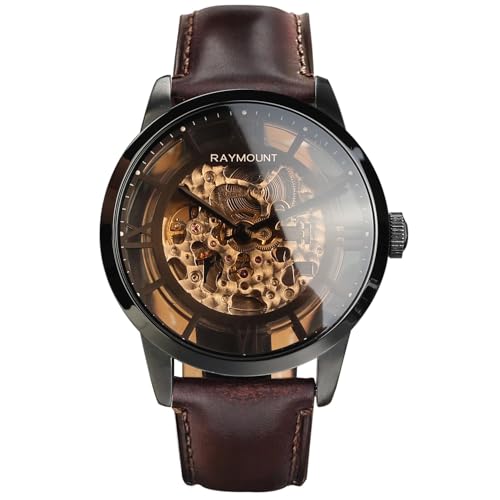
The self-winding timepiece operates on a mechanism that harnesses energy from the wearer’s wrist movements. This process eliminates the need for batteries or manual winding, allowing for a seamless experience. Users benefit from the craftsmanship involved, as each model typically showcases intricate engineering and attention to detail.
Maintenance plays a key role in preserving the longevity of these instruments. Regular servicing every 3-5 years is advised to ensure smooth operation and reliability. It’s also essential to keep the device away from magnetic fields, which can disrupt accuracy. Investing in a quality piece can enhance timekeeping precision and overall performance.


Understanding the various components, such as the rotor and mainspring, enriches appreciation for the art of horology. Though the initial investment might be significant, the durability and aesthetic appeal often justify the cost. Selecting a model that resonates with personal style and fits one’s lifestyle is highly recommended for an optimal experience.
Understanding a Self-Winding Timepiece
A self-winding timepiece is a mechanical mechanism that harnesses kinetic energy generated by the wearer’s movements. This energy is transferred to a rotor, which spins and winds the mainspring, ensuring continuous operation without the need for batteries or manual winding.
This type of timepiece is characterized by a complex assembly of gears, springs, and jewels that enhance precision and reduce friction. Typically, a well-crafted self-winding mechanism can maintain accuracy with minimal deviation, making it a preferred choice among horology enthusiasts.
To maintain optimal functionality, it’s advisable to wear such a piece regularly. If not worn for an extended period, it may require manual winding to start operating again. Many models come with a power reserve indicator, providing insights into how much energy remains before the mechanism stops.
Regular servicing is recommended to ensure long-term reliability. Cleaning and lubricating the internal components will significantly extend its lifespan, keeping the timepiece in peak condition.
For those who appreciate craftsmanship, a self-winding piece offers a connection to traditional watchmaking while embodying innovation in design and engineering. It’s a testament to mechanical mastery, appealing to collectors and casual wearers alike.
Understanding the Mechanism Behind Automatic Timepieces
The foundational element of self-winding timepieces is the rotor. This semi-circular weight rotates as the wearer moves, harnessing kinetic energy. The design allows for seamless energy transfer to the mainspring, eliminating the need for manual winding.
Gear Train and Escapement
Once energy reaches the mainspring, it is gradually released through a system of gears. This gear train regulates the release, converting potential energy into motion, driving the hands of the dial. The escapement plays a crucial role by controlling the gear’s movement, ensuring precise timekeeping. It functions like a brake, allowing the gears to advance in measured increments.
Balance Wheel and Accuracy
At the heart of time regulation, the balance wheel oscillates back and forth, providing a stable frequency. This oscillation is vital for maintaining accuracy. The combination of the balance wheel and escapement ensures that a consistent unit of time is measured, providing reliability in performance.
Regular maintenance is recommended for optimal function. This involves cleaning the internal components, lubricating gears, and adjusting settings to enhance longevity. Investing in care ensures that the mechanism operates smoothly over the years.
Key Features of Automatic Timepieces
Key characteristics that distinguish these mechanisms include self-winding capabilities, meticulous craftsmanship, and distinctive design elements. These attributes enhance both functionality and aesthetic appeal.
Self-Winding Mechanism
The hallmark feature is the self-winding mechanism, which harnesses kinetic energy from the wearer’s movements. A rotor spins within the casing, winding the mainspring and ensuring that the piece remains operational without the need for a battery. This not only adds convenience but also promotes sustainability.
Artisan Craftsmanship
High-quality models typically showcase artisan craftsmanship. Each component, from gears to plates, is often hand-finished, exemplifying attention to detail. Many brands offer transparent cases, allowing admirers to witness the intricate assembly of the inner workings. This transparency is a testament to the brand’s pride in its engineering.
| Feature | Description |
|---|---|
| Power Reserve | Many models feature a power reserve indicator, showing remaining energy levels. |
| Jeweling | Precision timepieces often use synthetic jewels to reduce friction and increase longevity. |
| Independence from Batteries | Eliminates the need for battery replacements, enhancing durability. |
| Emphasis on Mechanical Innovation | Innovative escapements and movements reflect ongoing advancements in horology. |
Understanding these features can aid in the selection of a timekeeping device that aligns with personal preferences and lifestyle needs.
Maintenance Tips for Longevity of Your Automatic Timepiece
Regularly wind your timepiece by turning the crown if it hasn’t been worn for a while. This ensures the movement stays lubricated and functions correctly.
Store your timepiece in a designated box or case to protect it from dust, moisture, and impacts. A soft, lint-free cloth can also help prevent scratches.
Avoid exposing the timepiece to magnets, which can disrupt the movement and affect accuracy. Keep it away from computers, speakers, and other electronic devices.
Monthly cleaning is advisable. Use a soft brush to remove dirt between the links and a damp cloth for the case. For deeper cleaning, consider professional servicing every 3-5 years.
Monitor the water resistance rating. If it’s rated for water exposure, ensure the crown is fully pushed in or screwed down before any water activity.
If the timepiece ceases to function, consult a watchmaker instead of attempting repairs at home, as this can lead to further damage.
Finally, keep track of timekeeping accuracy. If discrepancies arise, professional adjustment may be necessary to maintain precision.
How to Choose the Right Automatic Timepiece for Your Lifestyle
Select a timekeeper that matches your daily activities. For active lifestyles, opt for models with robust materials and water resistance. Dive options are ideal for those engaging in water sports, while a durable stainless steel or titanium case provides protection for outdoor use.
Consider the size and weight of the device. A heavier model might not be suitable for individuals seeking comfort during prolonged wear. Slim designs fit better under formal attire, while bulkier pieces offer a bold statement in casual settings.
Look into the style that reflects your personal aesthetic. Classic designs suit business environments, while sporty appearances fit casual outings. Be mindful of the dial color and strap material, as these aspects affect versatility.
Evaluate the movement type, as various calibers have different power reserves and precision. Some mechanisms provide extended winding capabilities, meaning less frequent wearing is acceptable, while others may require regular use for optimal functionality.
Assess your budget carefully. High-quality pieces often justify a greater investment through craftsmanship and longevity. However, numerous affordable options still deliver excellent value, especially from reputable brands. Determine what features matter most before finalizing your choice.
Finally, seek reputable retailers or authorized dealers. This ensures authenticity and provides access to warranties, ensuring long-term satisfaction with your selection.
Common Misconceptions About Automatic Watches Explained
Many believe that these timepieces require constant movement to function correctly. In fact, a well-wound piece can still operate for up to 48 hours without any movement. This is because they contain a spring that stores energy, enabling them to keep time even when not worn.
Durability Myths
There is a notion that these mechanisms are fragile and prone to damage. However, reputable models are built with robust materials capable of withstanding daily wear. It’s advisable to consider models with scratch-resistant crystals and sturdy cases to enhance longevity.
Maintenance Misunderstandings
Some assume that upkeep is excessively time-consuming and expensive. Routine maintenance is indeed necessary, but not as daunting as perceived. A visit to a certified technician every 3-5 years is typically sufficient. Regular cleaning and proper storage will significantly prolong lifespan and performance.
- Store in a dedicated box or winder to avoid dust accumulation.
- Keep away from extreme temperatures and magnetic fields.
- Handle the crown and movements gently to avoid accidental damage.
There’s a belief that only high-end or luxury brands offer superior craftsmanship. Yet, numerous mid-range options boast excellent quality and precision. Researching reputable brands will yield affordable choices regardless of the budget.
Overall, dispelling these myths aids in appreciating these intricate devices and encourages informed purchasing decisions. Understanding capabilities and care can greatly enhance ownership experience.


