
 Ethan Cole

For enthusiasts seeking precision, craftsmanship, and a storied legacy, the Omega Speedmaster Professional stands out as an unparalleled choice. Originally designed for motorsport and later associated with NASA moon missions, this timepiece combines functionality with striking aesthetics.
Equipped with a manual chronograph movement, its accuracy is assured, making it ideal for both everyday wear and formal occasions. The tachymetric scale on the bezel allows for speed measurement, showcasing its utilitarian design.
Crafted from stainless steel, this model is durable and resistant to wear, while the iconic black dial and contrasting sub-dials offer a timeless look. Whether paired with a leather strap or a stainless-steel bracelet, it complements any outfit flawlessly.

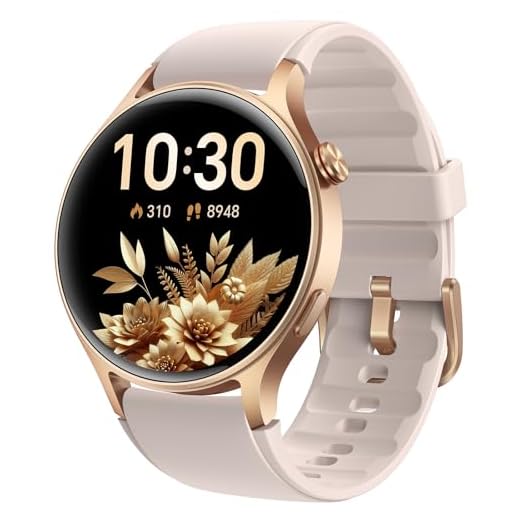
Investment-wise, the historical significance of this model ensures strong resale value and demand among collectors. With a range of limited editions and variations available, anyone can find a version that resonates with personal style.
Determining Your Budget for a Timepiece
Set a clear financial limit before exploring available options. Consider the range of prices in the market: entry-level models typically start around $100, while mid-range selections can be found between $300 and $1,000. Luxury pieces often exceed $5,000 and can reach astronomical figures depending on brand and materials.
Assess Your Needs
Identify the purpose of your timekeeping device. Casual daily wear may not require a high investment, while special occasions might justify a more significant expenditure. Factor in preferences such as brand loyalty, complications, and materials, which can influence price significantly.
Future Value and Maintenance
Consider long-term costs beyond the initial purchase. Some brands maintain resale value, providing an opportunity for financial return. Maintenance fees, particularly for high-end units, can impact your overall budget. Research service costs associated with specific models to avoid unexpected expenses.
Key Features to Look for in a Wrist Timepiece
Prioritize durability and water resistance. Look for materials like stainless steel, titanium, or ceramic that withstand wear and tear. A decent water resistance rating ensures your piece lasts through various conditions.
Movement Types
- Quartz: Renowned for accuracy and minimal maintenance. Ideal for everyday wear.
- Mechanical: Offers an elegant appeal. Requires regular winding but appreciated for craftsmanship.
- Automatic: Similar to mechanical but winds itself through wrist movement. A blend of convenience and tradition.
Design Elements
- Dial: Clarity is crucial. Choose a layout that suits your style and is easy to read.
- Strap: The choice of leather, metal, or fabric can significantly affect comfort and aesthetics.
- Size: Ensure dimensions complement your wrist. A balanced proportion enhances visual appeal.
Examine additional features such as chronographs, alarms, or smart functions depending on your requirements. Each feature can increase utility and personalization, enhancing the overall experience.
Choosing Between Analog and Digital Models
Select an analog timepiece for a classic aesthetic. This option appeals to those who appreciate craftsmanship and timeless design. Analog styles typically feature intricate designs, hands moving across a dial, and often include quartz or mechanical movements. Consider brands like Rolex or Omega for reliability and luxury.
If functionality and features are priorities, consider a digital variant. These models offer ease of reading time, alarm functions, and other technological integrations such as Bluetooth connectivity and fitness tracking. Reliable brands like Casio or Garmin provide excellent options for tech-savvy users.
Assess personal preferences and intended use. Analog pieces often serve as fashion statements, suitable for formal occasions. In contrast, digital units excel in casual settings, outdoor activities, or workouts.
Consider durability. Analog timepieces may require more care; however, many modern digital designs are water-resistant, shock-proof, and built for demanding conditions.
Evaluate longevity. While high-quality analog watches can last generations, digital models may require battery replacements or updates. Determine which aligns better with your lifestyle and preferences.
Understanding Different Watch Movements
Consider opting for a timepiece with a mechanical movement if you appreciate craftsmanship. Mechanical calibers are powered by a mainspring, offering a traditional connection to horology. These pieces often require regular winding and can provide a lasting narrative through their intricate movement and design.
If convenience is your priority, quartz movements are highly recommended. Utilizing a battery, quartz watches deliver accurate timekeeping with minimal maintenance. They often come at a lower price point, making them accessible for those with a limited budget.
For those seeking a combination of both worlds, automatic movements may be ideal. These self-winding mechanisms utilize the wearer’s arm motion to wind the mainspring, eliminating the need for a battery while still offering the charm of mechanical functioning.
Smartwatch functionality might be worth considering if you value technology. These devices serve a range of purposes beyond timekeeping, including fitness tracking and notifications. However, they often lack the classic aesthetic appeal of traditional designs.
Ultimately, your choice should reflect personal preferences regarding style, functionality, and ease of use. Each type of movement carries its own benefits and drawbacks, catering to different tastes and lifestyles.
Top Brands to Consider in Wrist Timepieces
Rolex stands out for its precision and prestigious designs. Models like the Submariner or Daytona exemplify luxury, making them highly sought after.
Patek Philippe is synonymous with craftsmanship and exclusivity. Their Calatrava line is known for timeless elegance and advanced mechanics.
Casio for Practical Needs
For those valuing functionality without sacrificing style, Casio offers reliable options. The G-Shock series is perfect for durability and outdoor adventures, while the classic F91W serves as an affordable yet stylish choice.
Seiko’s Heritage and Innovation
Seiko combines tradition and modernity, with offerings ranging from affordable to high-end. Their Prospex line features a variety of diving features, while the Presage series reflects fine craftsmanship in every detail.
Omega is renowned for its iconic designs and innovations, especially the Speedmaster, celebrating space exploration. The Seamaster is another favorite, celebrated for its versatility and elegance.
In summary, choosing from these brands based on preferences and lifestyle will enhance satisfaction with any selection made in the arena of timekeeping devices.
Where to Purchase a Quality Timepiece
Authorized dealers of luxury brands offer assurance of authenticity. Brands like Rolex, Omega, and TAG Heuer have official retailers listed on their websites for verification. Shopping through these channels ensures quality and service reliability.
Online platforms such as Chrono24 and Jomashop specialize in both new and pre-owned models. These websites provide extensive filters for narrowing down options and often feature user reviews, enhancing trust and clarity during selection.
Local jewelry stores often carry reputable brands and allow for hands-on examination. Establishing a relationship with the jeweler might lead to personalized advice, valuable discounts, or exclusive events.
Participating in watch fairs or exhibitions can yield incredible finds. These events showcase a vast array of manufacturers and often include independent brands, providing opportunities for direct interaction with the makers and unique pieces that aren’t available elsewhere.
Consider second-hand marketplaces like eBay with caution. Look for sellers with high ratings and return policies to mitigate risk. Always request detailed photographs and service history for vintage items.
Keep an eye on seasonal sales at major retailers. By planning purchases during events like Black Friday or holiday promotions, significant savings can be achieved without compromising quality.



