Ethan Cole

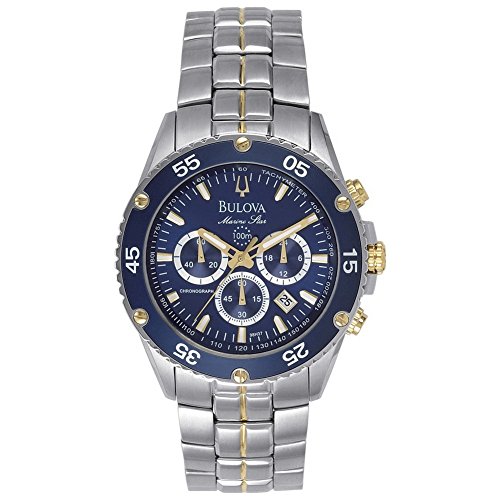
Referring to the covered area of a time-telling instrument, the term “dial” is widely recognized. This section typically features numbers or markers indicating hours and minutes. Many designs incorporate additional elements, such as sub-dials for specialized functions or intricate patterns enhancing its aesthetic appeal.
Noteworthy attributes of the dial include materials like sapphire crystal or mineral glass, which influence visibility and durability. Different types of markers, ranging from Arabic numerals to Roman numerals, add character and style. The color contrast between the dial and its numerals plays a significant role in readability.
Whether quartz or mechanical, the movements of the hands are a focal point. These components rely on precise engineering to ensure accuracy and often feature designs that complement the overall look. Additionally, various complications, such as chronographs or calendars, elevate functionality while enriching the visual experience.
Understanding the Dial: Components and Features
The dial is fundamental in any timepiece, showcasing various elements that enhance functionality and style. Key components include hour markers, hands, and possibly a date display. Familiarize yourself with these features to choose the right model.


| Component | Description |
|---|---|
| Hour Markers | Indicate time. Can be numbers, dots, or indices, often luminescent for visibility. |
| Hands | Represent hours, minutes, and seconds. Styles vary, impacting readability and aesthetics. |
| Subdials | Provide additional functions like chronographs or dual-time displays, enhancing versatility. |
| Date Window | Shows current day of the month, often at three o’clock position, improving practicality. |
| Brand Logo | Typically positioned near twelve o’clock, signifies brand identity and prestige. |
| Color and Texture | Influence visual appeal. Finishes range from matte to glossy, and colors can elevate style. |
When selecting a style, consider these aspects to align personal preferences with practicality. A well-designed dial balances aesthetics with functionality, ensuring an enjoyable experience with every glance.
Materials Used in Watch Faces: Durability and Aesthetics
Consider stainless steel for its remarkable resistance to corrosion and scratches. This alloy is not only sturdy but also complements many designs, enhancing the overall appeal of timepieces.
Sapphire crystal is a premium choice for lenses. Known for exceptional hardness, it resists scratches effectively, making it ideal for everyday wear. This material allows for clear visibility while adding a sophisticated touch.
For a lightweight option, explore composites like carbon fiber. This modern material offers both durability and a unique aesthetic. Its distinctive texture can elevate the design while maintaining resilience.
Traditional options like mineral glass are more affordable but offer less protection compared to sapphire. While they can be prone to scratches, they still serve well for casual pieces.
Consider ceramic as an alternative, providing both lightweight and scratch-resistant qualities. Its versatility in color and finish can enhance visual appeal, making it a stylish choice for various styles.
Explore natural materials like wood or leather for unique designs. While these materials may not offer the same durability as synthetic options, they add personal flair and warmth, appealing to those seeking a distinctive look.
Choosing materials for timepieces involves balancing durability with aesthetic preferences. Select options that align with personal style and intended use for the best combination of longevity and visual charm.
Functionality of Different Timepiece Dial Types
Choosing a model requires understanding distinct dial functionalities. Analog variants typically showcase hour, minute, and second hands, allowing quick time assessment and offering aesthetic charm. Advanced mechanisms may feature additional complications such as calendars or chronographs, enhancing versatility.
Digital Displays
Digital configurations excel in clarity, displaying time numerically. They often come with enhanced features like backlighting and alarms, making them user-friendly in various lighting conditions. Some high-end iterations include smart functionalities, integrating notifications and fitness tracking.
Hybrid Designs
Hybrid mechanics merge analog styling with digital capabilities. These pieces provide the tactile experience of traditional hands along with smart features. They cater to tech-savvy enthusiasts who appreciate classic elements while enjoying modern connectivity.
Understanding functionalities aids in selecting a model that best fits individual needs and preferences, whether for style or practical use.
How to Maintain and Care for Your Timepiece Lens
Regular cleaning is essential to preserve clarity and shine. Use a soft microfiber cloth to wipe away fingerprints and smudges. For deeper cleaning, mix mild soap with water, dampen the cloth, and gently clean the surface; avoid harsh chemicals that may damage the coating.
Shield from direct exposure to extreme temperatures and avoid contact with solvents or chemicals. Sudden temperature changes can cause condensation, affecting visibility and functionality.
Check for scratches and imperfections regularly. If noticeable damage occurs, consider professional polishing or replacement to maintain aesthetics and usability.
Ensure the sealing mechanisms are intact to prevent moisture ingress. For timepieces with water resistance, verify the integrity of gaskets during battery replacements or service intervals.
Store securely in a padded case to protect against impacts and scratches when not in use. Elevate the item away from direct sunlight to prevent fading of colors.
Regular servicing by experienced professionals ensures all components function smoothly and any potential issues are addressed before they escalate. Follow manufacturer guidelines for maintenance schedules.
Opt for protective covers if exposing your timepiece to dusty or rough environments is unavoidable. These can be removed as necessary to maintain a pristine appearance.
Identifying Issues: When to Replace Your Timepiece’s Dial
Inspect closely for scratches, cracks, or significant discoloration. If damage affects readability or aesthetic appeal, consider a replacement. A subtle change in clarity may not seem urgent, but prolonged wear could worsen underlying issues.
Signs of Wear and Tear
Anomalies like water spots, fog, or rust beneath the glass signal that maintenance or replacement is necessary. If moisture penetrates, it can compromise internal mechanisms, leading to costly repairs. Regular checks can prevent extensive damage.
Functional Limitations
If the markings or numerals are fading or have become completely illegible, a new panel ensures accurate timekeeping. Accurate visibility remains paramount; thus, replacing an unclear dial maintains both function and overall value of the accessory.