
 Ethan Cole
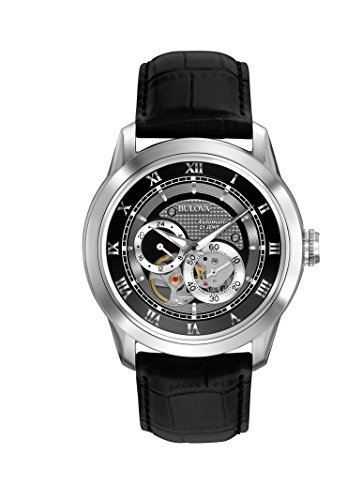
A timepiece’s primary role is to keep accurate time, allowing users to manage their daily schedules effectively. This practicality extends beyond mere hours and minutes; it encompasses the ability to measure intervals, serving functions from simple time tracking to timer applications in various settings, such as cooking or athletic training.
Additionally, many modern timekeepers offer a range of features that enhance their usability. Alert systems can notify wearers of important appointments or messages, while built-in stopwatches and countdowns facilitate numerous activities. Furthermore, certain models integrate health and fitness tracking tools, which monitor heart rates, step counts, and even sleep patterns, contributing to overall well-being.
Beyond their utilitarian aspects, timepieces also serve as personal expressions of style and status. Luxury brands often signify achievement or taste, while casual designs appeal to a more relaxed aesthetic. Thus, beyond its primary aim, a timepiece can act as a fashion accessory, signifying attention to detail and personal identity.


Key Purpose of a Timepiece
Primarily, a timekeeper serves the critical role of tracking and displaying hours, minutes, and seconds. This capability allows individuals to organize their daily activities, ensuring punctuality in both personal and professional environments.
Additionally, many contemporary timepieces offer supplementary features such as alarms, calendars, and timers. These enhancements facilitate better time management, helping users adhere to schedules and deadlines effectively.
Furthermore, timepieces are often equipped with high-precision movements, ensuring reliability and accuracy in timekeeping. Mechanisms like quartz or automatic movements achieve remarkable precision, minimizing discrepancies in displayed time.
In terms of design, a fashionable timepiece also acts as an accessory that complements outfits, reflecting personal style and status. This dual functionality enriches its appeal, making it an indispensable item in daily life.
Lastly, advanced models integrate technology, providing connectivity with smartphones and fitness tracking capabilities. Such innovations enhance usability, merging traditional timekeeping with modern demands, ultimately transforming it into more than just a mere accessory.
Accurate Timekeeping: Understanding Mechanisms
For precise time indication, mechanical, quartz, and smart mechanisms serve varied yet complementary roles. Each technology offers unique advantages, impacting performance and reliability.
| Type | Mechanism | Accuracy | Maintenance |
|---|---|---|---|
| Mechanical | Winding springs, gears | +/- 20 seconds per day | Regular servicing recommended |
| Quartz | Battery-powered, quartz crystal | +/- 15 seconds per month | Battery replacement needed |
| Smart | Digital components, integrated software | Varies based on software updates | Periodic software updates required |
Mechanical variants operate through intricate gear systems, relying on a mainspring for energy storage. Regular tuning is essential to maintain functionality. In contrast, quartz styles utilize the vibrational properties of quartz crystals, allowing for remarkable precision and minimal upkeep.
Smart alternatives not only track time but also integrate technology for additional features, adapting their accuracy through software advancements. Each variant aligns with user needs, balancing style, functionality, and personal preferences.
Additional Features: Beyond Telling Time
Modern timepieces offer a myriad of functionalities that extend far past simple time telling. Here are several noteworthy features:
- Smart Capabilities: Many contemporary models function as smart devices, enabling notifications for calls, messages, and emails, enhancing connectivity.
- Health Monitoring: Advanced models include heart rate monitors, sleep tracking, and pedometers, promoting a healthier lifestyle.
- GPS Navigation: Timepieces with GPS assistance provide directions, record outdoor activities, and track routes, making them ideal for adventurers.
- Water Resistance: Several designs are crafted to endure various water-related activities, offering durability and reliability during swimming or diving.
- Customizable Faces: Personalization options for display faces cater to individual style preferences and occasion-specific needs.
- World Time Zones: Some options display multiple time zones simultaneously, beneficial for frequent travelers or global business communication.
- Alarm Systems: Integrated alarms serve as reminders or wake-up calls, assisting in daily time management.
These additional features illustrate the versatility of today’s mechanical and digital timepieces, transforming them into indispensable tools for personal and professional use.
Watches as Fashion Statements: Personal Style Implications
Integrate timepieces into your wardrobe as statement accessories that reflect individuality and taste. Select designs that resonate with personal aesthetics–minimalist for modern looks, vintage for retro vibes, or sporty for active lifestyles. A well-chosen timekeeper accentuates outfits, enhancing both casual and formal attire.
Material Matters
Explore a variety of materials like stainless steel, leather, ceramic, or fabric; each brings distinct qualities and can complement specific styles. For instance, leather bands offer a classic appeal, while metal bracelets exude sophistication. Choose materials that not only suit fashion preferences but also resonate with comfort and durability.
Color and Design
Consider color schemes that align with wardrobe basics and favorite palettes. Neutral tones provide versatility, whereas bold colors act as focal points. Patterns, textures, and unique designs capture attention and elevate overall appearance. Pay attention to size and shape; oversized models can present a statement, while slimmer variants may contribute to elegance.
Choosing the Right Timepiece for Specific Activities
Selecting an appropriate timepiece requires careful consideration based on intended use. For sport enthusiasts, opt for models with features such as water resistance, durable materials, and specialized functions like stopwatches or heart rate monitors. Brands like Garmin and Suunto are known for their reliability in sporting conditions.
Casual Wear
For everyday situations, versatility is key. A classic analog style complements various outfits while ensuring comfort. Consider options from Seiko or Citizen that enhance casual wear without compromising on elegance.
Professional Settings
In business environments, sophistication and simplicity are vital. Look for sleek designs with minimal distractions, often seen in brands like Rolex or Omega. A metal or leather strap exudes professionalism while maintaining functionality.
Maintaining Your Timepiece: Tips for Longevity
Regular cleaning is fundamental. Use a soft cloth to wipe surfaces and avoid harsh chemicals. For stainless steel or ceramic cases, a mild soap and water solution works effectively. Ensure all residual moisture is dried thoroughly after cleaning.
Battery Care
For quartz models, replace the battery every two to three years. Use a professional service for the replacement to prevent moisture ingress. If a timepiece stops running, it may indicate a battery failure or a need for servicing.
Water Resistance
Check water resistance ratings before exposing your timepiece to moisture. Regularly inspect gaskets and pushers, and make sure they are in good condition. Avoid pressing buttons underwater to maintain integrity.
Store timepieces in a cool, dry place. A watch box with a soft lining helps prevent scratches. Avoid direct sunlight to prevent color fading and damage to materials.
Annual professional servicing is recommended for mechanical and automatic pieces. Inspections can prevent minor issues from escalating, ensuring smooth operation.
Avoid extreme temperatures and magnetic fields, which can affect accuracy and performance. Keeping your timepiece away from strong magnets protects delicate movements.
Finally, wear your timepiece regularly. Movement helps lubricate the internal mechanisms, ensuring they remain functional and properly maintained.



