
 Ethan Cole

For enthusiasts and collectors, understanding the mechanisms that energize timekeeping devices is paramount. Quartz crystals are frequently employed for precision, functioning through the piezoelectric effect. This effect generates electrical energy when mechanical stress is applied, allowing the crystal to oscillate at a consistent frequency of 32,768 Hz, ensuring accurate time measurement.
While quartz remains a popular choice, automatic movements are another fascinating alternative. These rely on the kinetic energy produced by the wearer’s motion. A rotor within the timepiece spins, winding the mainspring and storing energy for operation. This method appeals to those seeking a blend of craftsmanship and reliability.
For the avant-garde, some brands are exploring solar technology to harness light. This system uses photovoltaic cells to convert light into electrical energy, powering the movement. Timepieces utilizing this technology cater to eco-conscious consumers while offering a continuous energy source, provided there is sufficient light exposure.
Investigating the methods behind energy generation in timepieces reveals numerous innovations in horology, highlighting the interplay between traditional techniques and contemporary advancements.

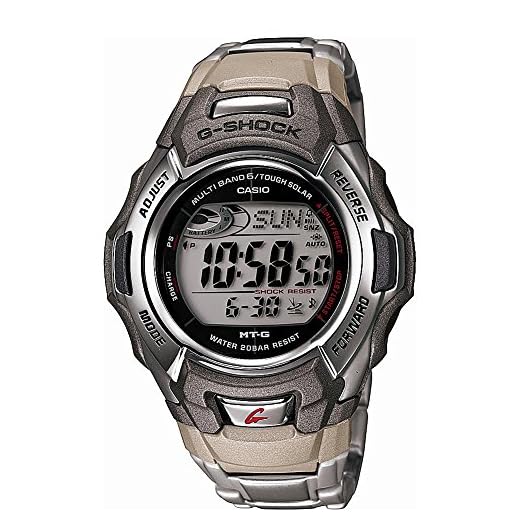

Energy Sources for Timepieces Within the Electromagnetic Realm
Quartz crystals serve as a primary energy source for many timepieces, utilizing piezoelectric properties. When an electric field is applied to a quartz crystal, it vibrates at a specific frequency, usually 32,768 Hz. This frequency is then converted into timekeeping signals, ensuring impressive accuracy.
Solar Technology
Solar-powered mechanisms harness light energy, absorbing it through specially designed photovoltaic cells. These cells convert light into electrical energy, which charges a rechargeable battery. This innovation allows for prolonged operation without manual winding or battery replacement, enhancing convenience significantly.
Kinetic Movement
Kinetic or automatic systems utilize motion to generate energy. An internal rotor rotates as the wearer moves their arm, converting kinetic energy into mechanical energy. This energy winds the mainspring, providing a continuous source of power as long as the watch is worn regularly.
Experiments with thermoelectric materials for generating power from temperature differentials are also on the rise. These innovations aim to combine the principles of thermodynamics with energy harvesting, potentially offering new avenues for sustaining timekeeping devices.
Understanding the Basics of Electromagnetic Spectrum in Timekeeping
Utilizing the range of electromagnetic waves is integral for certain timekeeping devices. These devices can harness electromagnetic waves to synchronize time with remarkable precision. Specifically, radio waves serve as a key component, allowing for the accurate transmission of time across distances. This capability is harnessed in atomic clocks as well as some advanced timepieces.
Frequency and Time Measurement
The measurement of time through frequency is reliant on the oscillation of electromagnetic waves. Each type of wave has a specific frequency, making it essential in determining the accuracy of the timepiece. High-frequency signals enable synchronization with atomic clocks, facilitating precise timekeeping in watches equipped with this technology.
Signal Reception and Processing
Many modern timepieces incorporate receivers designed to capture the transmitted signals from broadcasting stations. Once the signal is received, a sophisticated processing system decodes the information, ensuring that the displayed time remains accurate. The reliance on such signals enhances the functionality of these devices, further blending technology with traditional timekeeping.
The Role of Quartz Crystals in Timekeeping Functionality
Integrate quality quartz crystals to enhance precision and stability in timepieces. These crystals oscillate at a specific frequency when subjected to an electric field, typically 32,768 Hz, making them ideal for accurate timekeeping.
To maximize performance, ensure that the crystal is properly cut and polished. The thickness and angle of the cut directly influence the frequency, thus impacting overall accuracy. A common technique involves cutting the crystal into a tuning fork shape, allowing it to vibrate efficiently.
Energy conservation is another key aspect. Quartz oscillators consume minimal power, which contributes to extended battery life in time instruments. Employing low-power circuits can further optimize functionality.
Consider implementing temperature compensation mechanisms. Changes in temperature can affect quartz frequency; therefore, temperature-compensated oscillators can enhance accuracy across varying conditions.
Utilizing a quartz crystal oscillator in an integrated circuit allows for miniaturization and improved reliability. These advancements lead to watches with enhanced features while maintaining a compact form factor.
| Feature | Benefit |
|---|---|
| Precision | Maintains accurate timekeeping with minimal deviation. |
| Energy Efficiency | Prolongs battery life, requiring less frequent replacements. |
| Temperature Compensation | Ensures consistent performance in varying temperatures. |
| Compact Design | Facilitates modern aesthetics and multifunctionality. |
Consider these factors to choose the most suitable quartz crystal for your device. Proper selection and integration lead to enhanced reliability, allowing precision instruments to perform consistently under various conditions.
How Solar Panels Harness Light for Watch Power
Incorporating photovoltaic technology allows timepieces to function autonomously by converting light into usable energy. Solar cells embedded into the dial or case utilize a series of components to effectively capture incoming photons.
Key factors influencing the efficiency of solar panels in these timekeeping devices include:
- Type of Solar Cell: Monocrystalline or polycrystalline panels can be employed, each offering different efficiency levels in light conversion.
- Surface Area: Larger exposed areas maximize photon absorption, enhancing overall performance.
- Light Conditions: Direct sunlight provides optimal energy generation, while ambient light still yields beneficial power levels.
- Quality of Materials: High-grade materials promote longevity and consistent energy harvest, reducing the need for replacements.
During operation, photons excite electrons in the solar cells, generating a direct current (DC). This current is then converted to charge the internal battery or capacitor, ensuring continuous functionality. Many advanced timepieces feature integrated circuitry to monitor energy levels, allowing for efficient energy management.
Makers often stress the importance of maintaining the solar cells, as dirt and scratches can hinder performance. Regular cleaning and storing in optimal light conditions can significantly prolong lifespan and efficiency. While designed for semi-permanent use, awareness of how light sources impact battery life can be beneficial for users who seek maximum performance in their timekeeping devices.
The Impact of Radio Waves on Atomic Watch Accuracy
Atomic timepieces rely heavily on synchronization with radio signals to maintain exceptional precision. These signals enable accurate timekeeping by adjusting the watch’s internal clock to match the standard set by atomic clocks, which are the world’s most reliable time sources. The efficiency of this synchronization process is directly influenced by the characteristics of radio waves.
Effects of Radio Signal Quality
- Frequency Stability: Atomic watches typically operate on specific frequencies like 60 kHz or 75 kHz. The stability of these frequencies ensures minimal drift in time accuracy.
- Signal Strength: A stronger signal improves reception, reducing potential inaccuracies during transmission. Factors such as distance from the transmission tower and obstacles in the signal path can affect this strength.
- Environmental Interference: Radio signals may face interference from electronic devices, leading to time discrepancies. Maintaining distance from such sources can enhance reliability.
Advantages of Time Synchronization
- Consistent updates ensure the timepiece remains accurate, often to within a fraction of a second.
- Eliminates the need for manual adjustments, providing a user-friendly experience.
- Incorporates automatic daylight saving time changes, enhancing functionality for users across time zones.
Consequently, the integration of radio wave technology into atomic timekeeping not only enhances precision but also conveniently adapts to various factors, ensuring optimal performance in diverse environments. Regular checks for signal reception can further maintain accuracy, making atomic timepieces a reliable choice for those seeking exact timekeeping solutions.
Exploring Kinetic Energy and Its Use in Mechanical Time Instruments
Utilizing kinetic energy, mechanical time instruments convert the movement of the wearer into a source of power. This technology eliminates the need for batteries or winding, as it harnesses the energy produced by everyday activity.
At the core of this innovation lies a rotor, which is a semi-circular weight that spins on a pivot. As the individual moves their arm, the rotor twists, generating energy to wind the mainspring. This stored energy then ensures continuous operation of the movement mechanism, demonstrating impressive efficiency.
Key components, including gears and escapements, regulate the released power to maintain accurate timekeeping. The craftsmanship involved in these parts is critical, influencing how effectively kinetic energy is translated into time measurement.
For those seeking to enjoy uninterrupted timekeeping without frequent winding or battery changes, kinetic-powered instruments represent a sustainable and practical alternative. Regular usage helps maintain the mechanism, as longer inactivity can lead to lubrication issues within the movement.
In summary, the implementation of kinetic energy in mechanical time instruments overall enhances longevity and reliability, making it an appealing choice for enthusiasts and casual wearers alike.
Future Trends: Innovations in Power Sources for Timepieces
Consider integrating advanced energy harvesting technologies such as piezoelectric materials in timepieces. These materials convert mechanical stress into electrical energy, providing a sustainable power source without requiring sunlight or battery replacement.
Energy Harvesting Through Motion
Innovations utilizing vibrations and movements are emerging. Implementing transducers can capture kinetic energy from everyday activities, powering various functionalities. This method enhances convenience by alleviating dependency on conventional batteries.
Bioenergy Utilization
Exploring bioenergy as a potential power source presents a compelling avenue. Research on harnessing body heat or movement illustrates promising results, enabling timekeeping devices to draw energy from their wearers effectively.
Advancements in solar technology also suggest increased efficiency. The development of transparent solar cells can allow for integration into watch faces without compromising aesthetics, creating an attractive dual-purpose design.
Lastly, integrating smart technology with renewable energy solutions positions future timepieces to adapt seamlessly to the needs of modern users, prioritizing sustainability while ensuring reliability.



