
 Ethan Cole
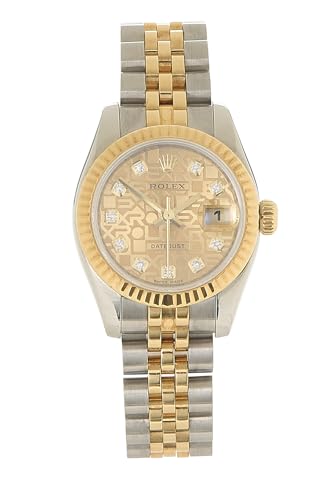
Allocate between 10% and 20% of your annual income for a quality timepiece, focusing on craftsmanship, brand heritage, and resale value. This range caters to both entry-level collectors and seasoned enthusiasts who appreciate horological artistry.
Prioritize Swiss and Japanese manufacturers renowned for their precision and reliability. Brands like Rolex, Omega, and Seiko offer models that not only serve practical purposes but also appreciate in value over time.
Consider also the materials: stainless steel, gold, and ceramic are favorable for durability and aesthetics. Additional features such as automatic movement and water resistance can enhance functionality and appeal, making them worthy investments.
Ensure to assess the condition and provenance for pre-owned pieces, as these factors significantly influence the price and long-term value. Engaging with reputable dealers can provide insights into the best options available in the market.
Investment in a Timepiece
Allocate between 10% to 20% of your total wardrobe budget for a quality timekeeper. This percentage ensures you acquire a model that combines durability and style without compromising your overall spending on fashion.

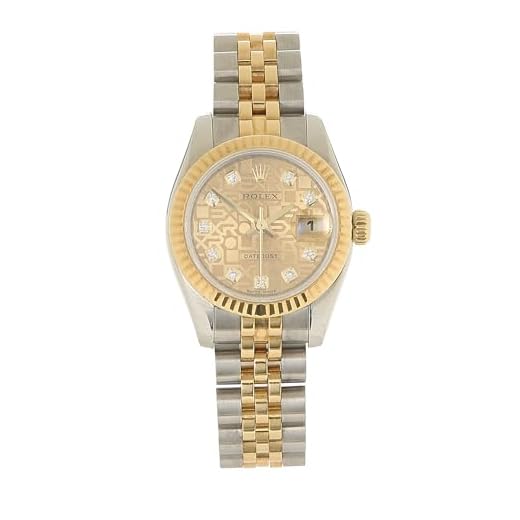
Defining Priorities
Prioritize function and craftsmanship over brand name. A well-made piece with reliable mechanics often serves better than a logo-driven piece that lacks essential features. Look for reputable manufacturers with a history of quality over trendy styles.
Long-Term Value
Consider potential appreciation in value. Opt for classic styles or limited editions that retain or grow in worth. Research market trends and historical value retention before making a choice; certain brands and models consistently outperform others in resale value.
Determining Your Budget Based on Lifestyle
Analyze your daily habits and activities to establish an appropriate price range for a timepiece. For those frequently engaging in professional environments, allocating funds towards a sophisticated model can enhance credibility. Alternatively, active individuals who partake in sports might prioritize durability and practicality.
Key Factors to Consider
| Factor | Description |
|---|---|
| Professional Engagement | Investing in luxury pieces can create a powerful impression in business settings. |
| Active Lifestyle | Durability and function are paramount; options with robust materials are advisable. |
| Personal Style | Select models that reflect your personality, as this can influence your overall confidence. |
| Occasional Use | For limited wear, a mid-range choice may suffice without sacrificing aesthetics. |
Practical Tips for Budgeting
Evaluate your income and prioritize expenditures effectively. Set aside a specific percentage each month to gradually reach your target amount. Consider resale value; certain brands maintain strong market presence over time, making them a smarter investment.
Assessing Features That Influence Price
Focus on material quality and craftsmanship as key determinants. Premium metals like gold and platinum, alongside robust materials such as stainless steel or titanium, significantly increase value. Swiss movements are often hailed as indicators of precision and reliability, enhancing overall desirability and expenditure. Detail-oriented assembly and finishing further add to the allure, elevating prices.
Brand Reputation
The name behind the timepiece plays a major role in its market worth. Established brands with a longstanding heritage command higher prices due to their reputation for excellence and trustworthiness. Limited editions or collaborations often create exclusivity, further driving up costs among collectors and enthusiasts.
Complicated Features
Complications such as chronographs, perpetual calendars, or tourbillons signify engineering sophistication, leading to higher pricing structures. The more intricate the functions, the greater the labor and expertise required during production, thus enhancing the overall investment required. Always consider the balance between practical applications and extravagant features when evaluating options.
Understanding Brand Value and Its Impact on Cost
Investing in a timepiece often comes down to the significance of the brand behind it. High-end manufacturers command higher prices due to their reputation for precision, innovation, and craftsmanship. Certain labels are synonymous with luxury and exclusivity, driving demand and pricing upward. For instance, brands like Rolex or Patek Philippe are highly sought after, often maintaining or even increasing in value over time.
The Influence of Heritage and Reputation
Heritage plays a pivotal role in brand valuation. Companies with a rich history often add to their allure; their lineage in horology and contributions to watchmaking techniques can justify a premium tag. Collectors and enthusiasts may pay a premium for models from brands that have pioneered advancements in timekeeping.
Perceived Value versus Actual Quality
The perceived worth of a timepiece can significantly outweigh its actual material and functional value. This phenomenon often occurs with brands that successfully market themselves, creating a strong emotional connection with consumers. Investing in these brands can lead to high resale values, appealing to those who view their acquisitions as both functional items and status symbols. Moreover, limited editions and collaborations can further enhance desirability, showing how marketing strategies significantly impact pricing tiers.
Ultimately, awareness of brand value can shape spending strategies and guide decisions based on personal priorities and market trends.
Analyzing Resale Value and Investment Potential
Research resale trends prior to selecting a timepiece. Limited edition models and renowned brands typically maintain higher resale values. Examples include Rolex, Patek Philippe, and Audemars Piguet, where some models appreciate over time.
Factors Influencing Resale Values
- Condition: A well-maintained piece with original components fetches premium pricing.
- Rarity: Scarcity drives demand, increasing value; seek models produced in limited quantities.
- Market Demand: Follow auction results and secondary market fluctuations to gauge which styles regain value.
- Documentation: Complete sets, including papers and boxes, enhance desirability and potential return.
Investment Considerations
View luxury timepieces through an investment lens; many buyers opt for pieces with historical significance. Consider the following:
- Study the brand’s historical performance in the resale market. Collectors often favor pieces with storied pasts.
- Assess timepieces in conjunction with global economic fluctuations. High-end items may experience shifts in value based on market confidence.
- Diversify your collection; invest in various models spanning different categories, like vintage and contemporary pieces.
Keep in mind that investments can carry risk. Understand personal goals regarding appreciation versus enjoyment prior to acquisition.
Finding the Balance Between Quality and Affordability
Prioritize a clear range that aligns with personal values and lifestyle needs. For a reliable timepiece, allocate funds between $200 and $500 for models offering both durability and style. Brands like Seiko and Citizen exemplify quality without breaking the bank.
Conduct research on materials and movements; automatic or quartz options can vary significantly in pricing. Ceramics and titanium cases often command higher rates but provide notable benefits in wear resistance and weight.
Participation in promotional events or discount periods can allow for higher-end brands at reduced rates. Consider past collections or outlet stores where classic models retain their appeal while becoming more affordable.
Evaluate various retailers to find the best deals. Authorized dealers may offer warranties or servicing which can offset long-term costs. Online platforms often feature customer reviews that reveal the true performance and value over time.
Factor in the emotional connection and aesthetic appeal. Investing in pieces that resonate personally and suit preferences enhances satisfaction, justifying expenditures. Practicality combined with sentiment often leads to balanced decisions.


