
 Ethan Cole

The left arm is the preferred location for timepieces for most individuals. This trend is primarily influenced by the prevalence of right-handedness in the global population. Wearing accessories, including watches, on the non-dominant side often allows for greater comfort and ease of use.
For left-handed individuals, the situation flips. Opting for the right arm can enhance accessibility and usability. Many brands even create models designed specifically for left-handed wearers, ensuring optimal functionality and style.
When considering watch placement, the type of activity also plays a vital role. Certain professions or hobbies may encourage a specific arm preference. For instance, manual labor or sports may require positioning on the dominant side to avoid interference.
Ultimately, personal comfort, style, and practical considerations dictate the best choice for wearing a timepiece. Experimenting with different positions can lead to a decision that combines aesthetics and functionality.
Optimal Placement for a Timepiece
For the majority of individuals, the preferred placement for a timepiece is on the non-dominant limb. For instance, left-handed individuals typically opt for the right arm, while right-handed users gravitate towards the left. This arrangement minimizes potential damage and enhances comfort during daily activities.

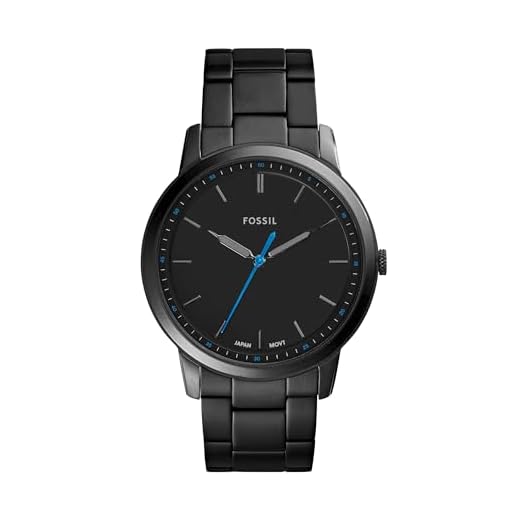
Choosing the correct placement also depends on a few additional factors. The type of wrist accessory can influence this decision; for example, larger styles or those with intricate designs may fit better when positioned on the dominant side. Conversely, depending on usage and ease of style pairing, females might find the right wrist more favorable for elegance or formal attire.
In athletics or physical activities, the non-dominant positioning remains preferred. This setup shields the device from impact and maintains accuracy while ensuring freedom of motion. Additionally, certain cultures or personal preferences could dictate unique choices, emphasizing individual expression.
Ultimately, functionality, comfort, and personal style should define the correct placement. Prioritize practicality and aesthetic that resonate with individual lifestyle while ensuring longevity of the chosen accessory.
Left Wrist vs. Right Wrist: Key Considerations
Choose to adorn the left arm if you often use your dominant hand for tasks that require precision, as this prevents scratches and damage to your timepiece. Conversely, opting for the right arm allows for easier adjustments and visibility, especially when engaging in activities where quick access to the device is advantageous.
Evaluate personal comfort levels. Many find it more pleasant to wear accessories on the non-dominant side, reducing interference during daily activities. If you frequently engage in sports or physical work, the left may be preferable to minimize wear.
Consider style. Classic fashion dictates that timepieces are often positioned on the left. However, modern trends favor individuality, with many opting for the right wrist for a unique expression. Explore how this choice complements your outfit.
Lastly, functionality plays a role. Smart devices may require simple engagement, making the side of preference dependent on how often you check notifications or track fitness metrics. Reflect on your habits to determine the optimal position for daily usability.
- Left wrist: better protection, especially during physical tasks.
- Right wrist: easier access, ideal for notifications and adjustments.
- Comfort: consider which side feels less intrusive during activities.
- Style: choose a side that aligns with your fashion sense.
Make the decision based on these factors, aligning with personal preferences for both practicality and aesthetics.
Choosing Based on Dominant Hand Preference
Select the arm that aligns with your dominant hand for wearing timepieces. For right-handed individuals, position the timepiece on the left arm; left-handed individuals benefit from using the right arm. This approach enhances accessibility and ensures ease of viewing.
Timepieces are designed with a crown, which can be more conveniently adjusted with the opposite hand. This arrangement minimizes the risk of accidental damage or interference with daily tasks, providing a seamless experience.
Lightweight options can be advantageous for those engaged in activities requiring dexterity. Positioning the accessory on the non-dominant arm helps to avoid hindrances during actions such as writing, typing, or engaging in sports.
The table below outlines common preferences based on hand dominance:
| Hand Dominance | Recommended Arm |
|---|---|
| Right-Handed | Left Arm |
| Left-Handed | Right Arm |
Consider personal comfort and lifestyle when making your decision. Experimentation may reveal unexpected preferences and enhance your overall satisfaction with your chosen accessory placement.
Impact of Watch Features on Wearing Side
The choice of placement can significantly affect comfort and utility based on several watch characteristics. For instance, a timepiece with a larger case diameter may benefit from being on the opposite arm of the dominant hand, minimizing interference during daily tasks. Conversely, a slim model is often better suited for wear on the same side as the dominant hand, allowing for easier access and readability.
Understanding the material of the strap is equally important. Metal bracelets may cause discomfort or pinching if worn on an active hand, while leather or fabric bands can provide a more forgiving fit, regardless of location on the arm. Additionally, watches featuring multifunctional dials or smart capabilities might warrant careful consideration for placement; having them on the dominant side can enhance interaction with the device’s features without excessive motion.
Water-resistant ratings also play a role. If frequent exposure to water or moisture is anticipated, placing the watch on the less active arm could reduce the risk of damage. Lastly, the aesthetic and visual appeal should not be overlooked. A unique design may be showcased better on a specific wrist, allowing for personal style to shine while ensuring functional benefits are maintained.
Fashion Trends: Which Wrist is More Stylish?
Opt for the non-dominant arm when deciding on stylish accessory placement. This choice not only enhances the aesthetic appeal but also provides practicality, especially for individuals who value functionality while remaining fashionable.
Current Trends in Watch Placement
Recently, fashion experts have highlighted several styles gaining traction. Here are some noteworthy trends:
- Minimalism: Simple designs on the less busy arm create a sleek silhouette.
- Layering: Wearing multiple bracelets with a timepiece on the opposite arm allows for bold statements.
- Mixed materials: Combining leather and metal bands can diversify looks, offering unique flair based on wrist preference.
Popular Influencer Insights
Social media influencers, known for their keen fashion sense, often share diverse ways to showcase timepieces. Key takeaways include:
- Pairs well with tattoos: Wearing products on the non-dominant limb can highlight body art.
- Seasonal adjustments: Switch locations seasonally to create variety and engage different fashion expressions.
- Personal expression: How one adorns accessories speaks volumes about individuality and style.
In essence, fashion evolves continuously, making flexibility and adaptation vital in showcasing timepieces chicly and effectively.
Influence of Watch Type on Preferred Wrist Position
The choice of where to position a timepiece can significantly depend on its characteristics. For example, bulky or oversized models often favor placement on the non-dominant arm to enhance comfort and reduce wear during daily activities.
<p_Fashion statements play a role; minimalist designs align with the aesthetic of both wrists, often reflecting personal style rather than dominance. Vintage or classic pieces frequently lean towards the dominant hand to showcase craftsmanship and elegance.
For specific functionalities, fitness trackers and smart devices are commonly worn on the opposite arm for ease of access and to maintain safety during physical endeavors. Watches equipped with extensive features may necessitate a non-dominant position for practicality and ease of adjustment.
Understanding the nature of various brands can provide insights into optimal placement. Brands that emphasize luxury may advocate for showcasing their products prominently, while brands focused on durability might prioritize functionality over display.
Ultimately, selecting a position depends on the individual’s lifestyle, watch characteristics, and personal preference, allowing for a tailored approach that resonates with one’s identity and habits.
Practical Tips for Comfort and Functionality
For optimal comfort, place timepieces on the non-dominant extremity to minimize interference with daily tasks. If right-handed, secure accessories on the left; conversely, left-handed individuals may choose the right.
Select pieces with adjustable straps to enhance fit. An ideal snugness prevents slipping while promoting airflow, reducing discomfort and skin irritation.
Consider the size and weight of the accessory. Lighter and more compact models tend to offer greater comfort for prolonged wear, especially during physical activities.
Be mindful of the watch design; sport versions often feature materials like silicone or rubber, providing flexibility and ease, while dress models may favor leather or metal bands for aesthetic, but can feel constrictive.
Positioning near the wrist bone can facilitate better readability. Ensure that the display faces outward for easier visibility while remaining unobtrusive when engaging in tasks.
When pairing with other jewelry, choose complementary styles and consider the additional space on the selected arm. Limit bulk by avoiding stacking multiple items that may clash.
Regularly check for comfort and fit, adjusting as necessary, particularly after gaining or losing weight, as this can impact how the accessory sits and feels throughout the day.



