Ethan Cole

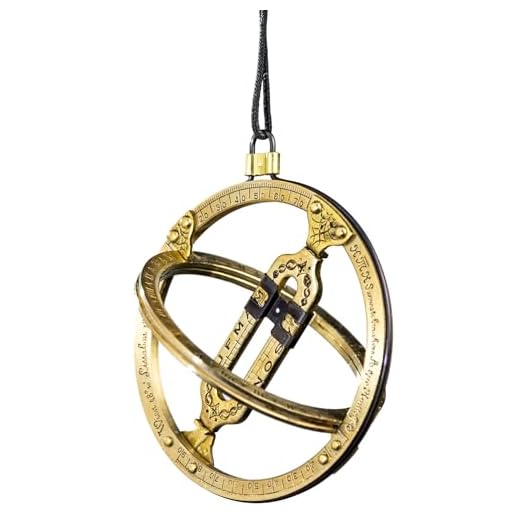
To settle the debate regarding the chronological emergence of portable timepieces, evidence indicates that the traditional timekeeping device preceded its handheld counterpart. The construction of early models began in the 15th century, primarily designed for placement on tables or desks, allowing users to tell time without the need for constant portability.
Conversely, the evolution towards wearable time instruments gained traction in the 19th century. Innovations in design and mechanism enabled artisans to create smaller and more practical devices, ultimately culminating in the familiar wrist affixed variety. Historical documents affirm that mass production of such styles became commonplace during the latter part of the 1800s, marking a significant shift in consumer preferences.
Thus, while advancements in timekeeping technology favored the development of both types, the classic model was the initial format that laid the groundwork for later adaptations. Understanding this progression provides clarity on how functionality influenced design throughout history.


Comparison of Early Timepieces: Differences in Technological Advancements
Analysis reveals that timepieces designed for the hand emerged later than their counterparts, originally carried in pockets. The initial designs of these portable devices date back to the 16th century, offering significant advancements in horology.
Development Timeline
In the late 1500s, craftsmen began producing compact timekeeping devices that could fit in a vest or waistcoat pocket. These early units demonstrated remarkable craftsmanship and precision for the time. On the contrary, wrist units appeared towards the end of the 19th century, initially regarded as women’s accessories, largely due to their practicality and ease of use.
Evolution and Acceptance
Cultural attitudes influenced the popularity shift from traditional carrying styles to wearable forms. By the 20th century, advancements in miniaturization and manufacturing techniques paved the way for widespread acceptance of hand-worn designs among all genders. This transition illustrates a significant transformation in fashion and functionality, demonstrating how society’s needs shape technological evolution.
History of the Development of the Portable Timepiece
Emergence of the portable timekeeping device can be traced back to the late 15th century in Europe. Initially designed as a luxury item, these mechanisms were intricate, often encased in ornate designs made by skilled artisans. The craftsmanship involved included elaborate engravings and the use of precious materials, appealing to wealthy patrons.
By the 16th century, advancements in horology saw these timepieces grow more compact. This period marked the transition from large, cumbersome designs to smaller, more manageable formats. Innovations such as the balance spring significantly increased accuracy, transforming functionality and aesthetic.
The 17th and 18th Centuries: Refinement and Popularity
Throughout the 17th and 18th centuries, further refinement of the design and manufacturing process took place. The introduction of key-winding mechanisms allowed for easier use, while smaller components enabled more intricate designs. This era witnessed significant contributions from notable watchmakers like Patek Philippe and Breguet, who set new standards in precision and style.
The advent of mass production techniques in the 19th century brought these instruments to a broader audience. Watchmakers like Elgin and Waltham implemented assembly line practices, drastically reducing costs while maintaining quality, which fueled widespread adoption.
20th Century Evolution and Continued Legacy
As society evolved, so did the role of the portable timepiece. By the early 20th century, these devices had become symbols of status and elegance, often worn as fashion statements. Manufacturers began experimenting with novel designs, leading to unique styles, including those adorned with jewels or featuring innovative mechanisms.
The transition to wrist-mounted designs in the early 1900s was not a decline but rather an adaptation. While the earlier format maintained its prestige, the convenience of wearing timepieces on the wrist catered to the changing lifestyles of the modern era. This evolution demonstrates the lasting influence of the portable timekeeping device throughout history, bridging timelines and tastes.
Timeline of the Wrist Watch Invention
1500s: The earliest references to timepieces worn on the body appear during this century, predominantly as pendants or necklaces, signaling a shift towards personal timekeeping.
1868: The first wrist-mounted time instrument takes shape when Patek Philippe produces a piece for Countess Koscowicz of Hungary, marking a pivotal moment in the evolution of portable timepieces.
1880s: The concept gains acceptance among military personnel, who find utility in these devices for timing maneuvers and operations during conflicts.
1893: The English company “Breguet” manufactures wrist time-indexed devices designed specifically for women, further popularizing their use in high society.
1910: The U.S. Navy adopts wrist-worn timepieces for its officers, enhancing the practicality and visibility of timekeeping among naval forces.
1920s: A Surge in Popularity
During the 1920s, these timepieces become mainstream, with numerous brands entering the market, driven by advancements in craftsmanship and design. Notable manufacturers such as Longines and Hamilton introduce iconic models.
1927: Aviation and sports enthusiasts start favoring these gadgets for their convenience and functionality, solidifying their presence in various fields.
1930s-1940s: The Iconic Rolex Influence
1931: Rolex unveils the “Oyster,” the first waterproof model, enhancing the appeal of wearable time indicators among adventurers and athletes alike.
1943: During World War II, military forces further endorse these accessories due to their practicality, establishing them as essential gear for soldiers.
1960s: Innovations in materials and technology lead to the introduction of quartz movements, revolutionizing accuracy and maintenance needs for luxury and everyday timepieces.
1970s: The quartz crisis challenges traditional mechanics, but also invigorates creativity, leading to a wider range of styles and prices in wearable timepieces.
2000s: Smart technology integration starts transforming traditional forms, paving the way for modern iterations that blend luxury with advanced functionality.
Comparison of the Two Timepieces in Design and Functionality
Focus on practicality and aesthetics when evaluating these two types of timekeeping devices. Traditional timepieces, typically featured as small, portable units, emphasize craftsmanship and intricate mechanics. They often boast ornate designs, showcasing gold or silver cases and detailed engravings. The design caters to a sense of elegance and sophistication, making them suitable for formal occasions or collectors. Many enthusiasts appreciate the heritage and artistry involved in their creation.
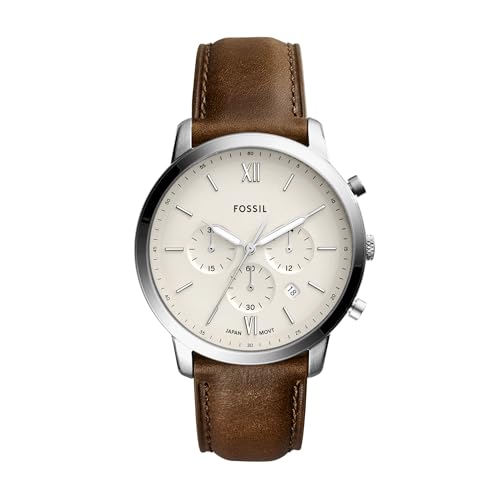
On the other hand, contemporary timepieces prioritize functionality and wearability. Their designs often incorporate durable materials like stainless steel or synthetic composites, aimed at surviving daily wear. These devices are usually more compact, featuring an integrated band for convenience. The aesthetics range from sporty to minimalist, appealing to a broader audience. Modern advancements often include additional features, such as water resistance, luminous dials, and chronograph functions, catering to those seeking versatility in their daily lives.
Examining mechanisms reveals further differences. Traditional models rely heavily on intricate mechanical movements, reflecting a rich history of horology that captivates enthusiasts. Certain models require manual winding, necessitating a deeper connection with the user. In contrast, modern counterparts frequently utilize quartz movements for accuracy and reduced maintenance, often resulting in slimmer profiles. This shift towards functionality aligns with contemporary lifestyles, where precision and ease of use are paramount.
In summary, assess designs based on usage and preferences. If elegance and mechanical artistry appeal to you, opt for a classic device. Conversely, if daily practicality and versatility are your priorities, consider a more modern alternative. Both hold unique charm and purpose, making the choice personal and tailored to individual needs.
Cultural Impact of Portable Timepieces
Portable timepieces significantly influenced social dynamics, fashion, and personal identity. Their evolution reflects changing societal norms and technological advancements. For example, the shift from bulky instruments carried in pockets to streamlined, wrist-worn devices highlights a transition towards practicality and personal expression.
In literature and art, these devices serve as symbols of status and sophistication. Pocket styles were often ornate, crafted with precious materials, acting as reflections of wealth. In contrast, the wrist variant became emblematic of modernity and accessibility, appealing to diverse demographics.
Military usage during conflicts underscored functionality, with soldiers relying on wrist devices for quick time checks, enhancing operational efficiency. This practicality reinforced perceptions of reliability and precision associated with wrist-mounted models.
Fashion trends frequently intertwine with these instruments, with each period showcasing distinct designs that resonate with cultural shifts. Contemporary collaborations between fashion houses and timepiece manufacturers display this union, making these items not just tools for timekeeping but also integral fashion accessories.
Moreover, the advent of smart technology has initiated a new cultural dialogue, merging traditional craftsmanship with modern features. This fusion continues to redefine societal expectations and pushes the boundaries of functionality, ensuring portable timepieces maintain their relevance.
Influence of Technology on the Evolution of Timepieces
Technological advancements significantly shaped the design and functionality of timekeeping instruments. The progression from early mechanical mechanisms to modern innovations illustrates this transformation.
Key influences include:
- Miniaturization: Advancements in engineering allowed for smaller, more intricate components. This enabled the creation of portable devices, leading to various forms of timepieces that could be easily carried or worn.
- Materials: The introduction of durable materials like stainless steel encouraged innovative designs. The use of synthetic sapphire crystal improved scratch resistance and visibility.
- Quartz Technology: The arrival of quartz movements in the late 20th century revolutionized accuracy and affordability. This technology enabled mass production and accessibility, appealing to a broader audience.
- Smart Technology: Integration of digital features and connectivity has redefined functionality. Modern timekeepers often include fitness tracking, notifications, and customization options, catering to an active lifestyle.
Continued innovation suggests a trajectory where traditional craftsmanship Coexists with technological advancements, ensuring relevance in contemporary settings.
FAQ:
Which was invented first, the pocket watch or the wristwatch?
The pocket watch was invented first, dating back to the late 16th century. The wristwatch, on the other hand, became popular much later, during the late 19th to early 20th century. Originally, watches were designed to be carried in a pocket, and it wasn’t until the evolution of watchmaking techniques and changes in fashion that wristwatches gained popularity.
What were the key factors that led to the invention of wristwatches?
Several factors contributed to the development of wristwatches. One major factor was the demand for more convenient timekeeping. As lifestyles evolved, especially during the industrial revolution, people sought hands-free options. The design of wristwatches became practical for soldiers during World War I, who needed to check the time quickly without fumbling for a pocket watch. This shift in utility, combined with changing fashion trends, paved the way for wristwatches to become widely accepted.
How did the designs of pocket watches and wristwatches differ in their early stages?
In their early designs, pocket watches were typically ornate, often featuring intricate engravings and jewels, reflecting the craftsmanship of the time. They were bulky and required a chain or fob for attachment. Wristwatches, however, began as more utilitarian devices. Early wristwatches were simple in design, primarily made for functionality rather than aesthetics. Over time, both types evolved, with wristwatches eventually incorporating elaborate designs similar to pocket watches, while pocket watches continued to be appreciated for their craftsmanship.