
 Ethan Cole

Long before modern timekeeping became commonplace, the inception of a portable timepiece for gentlemen marked a significant milestone in horological history. An intriguing contender for this distinction is the piece crafted by Patek Philippe in 1868. Designed for a Hungarian nobleman, this early model combined elegance with functionality, setting the foundation for future developments in horology.
Notably, this sophisticated accessory showcased the technical prowess of its era. Encased in gold and adorned with intricate engravings, it demonstrated both artistry and precision, appealing to aristocrats seeking to elevate their status. As trends shifted, more manufacturers began producing these convenient time instruments, recognizing their potential beyond mere utility.
In the ensuing decades, wristwatches evolved swiftly. The advent of World War I saw military influences drive designs towards enhanced durability and practicality. As a result, timepieces became standard fare for soldiers, redefining their purpose from ornamental to indispensable. Collectively, these advancements paved the way for widespread adoption of wrist-worn devices among men across various social spectrums.
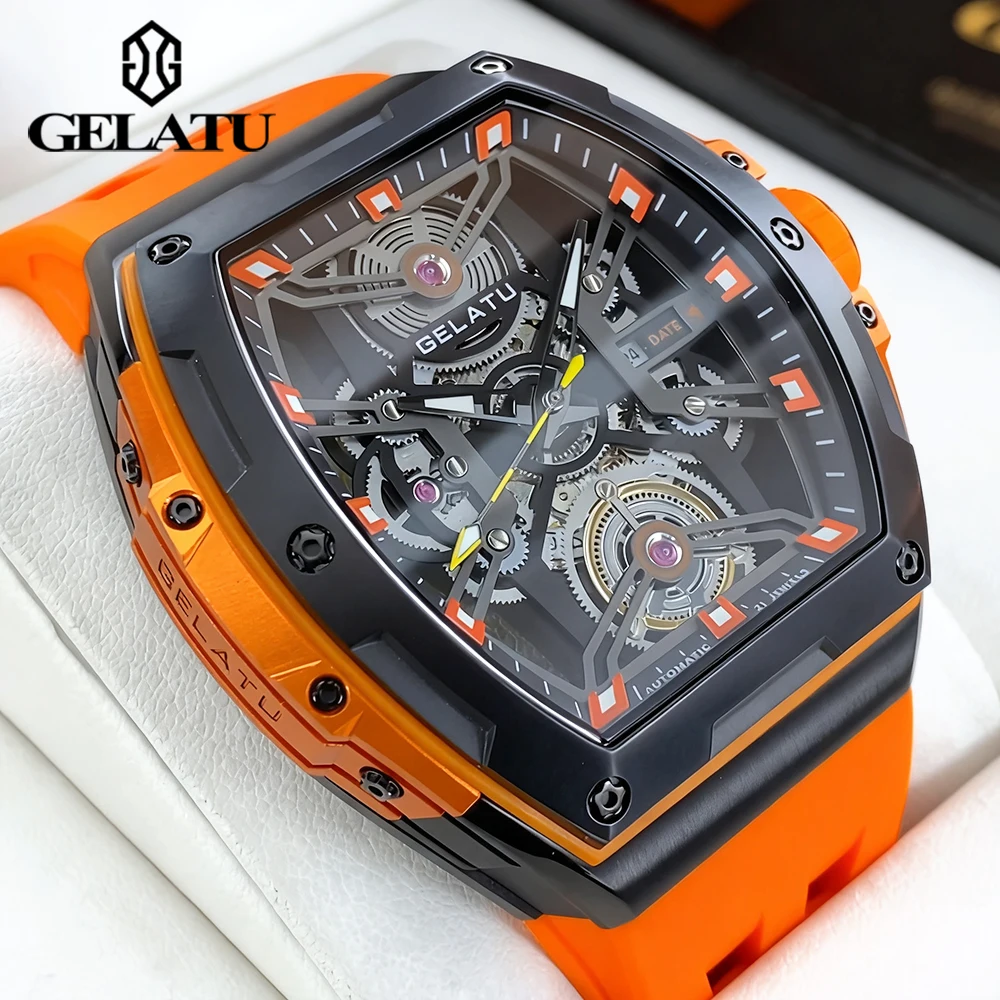

The Evolution of Men’s Watches Before Wrist Models
Clocks emerged in the 14th century, facilitating the first portable timepieces, though they were bulky and pocket-sized. The transition to more compact designs led to the creation of pocket timepieces in the 16th century, primarily influenced by advancements in craftsmanship. These early models featured intricate mechanics and were often used as symbols of status.
Pocket Timepieces
By the 18th century, pocket watches became increasingly popular among European nobility and gentlemen. The introduction of the latch system for more secure closures and the development of key-winding mechanisms marked important improvements. Manufacturers like Breguet and Patek Philippe gained notoriety during this period, producing exquisite examples that combined functionality with artisanal beauty.
Conversion to Strap Designs
The 19th century witnessed the invention of the first reliable wrist-mounted designs, primarily intended for women. However, military influences during conflicts like the Franco-Prussian War prompted a shift in perception. Men began to see the utility of attaching timepieces to the wrist for practical reasons. Innovations in materials and production techniques soon followed, transitioning from pocket models to strap-based designs, setting the stage for the widespread acceptance of watches worn on the wrist.
Key Innovations in Early Wristwatch Design
The integration of practical advancements marked significant strides in timepiece fabrication during the late 19th and early 20th centuries. Fundamental adaptations included the introduction of smaller movements that facilitated the transition from pocket timekeepers to wearable devices. Key developments are as follows:
- Size Reduction: Miniaturization of mechanical movements made it possible for these instruments to be crafted into compact, wearable forms.
- Strap Innovations: Early models featured leather or fabric bands, enhancing comfort and security. These materials allowed for stylish expression in addition to functionality.
- Water-Resistant Casings: Initial efforts to create water-resistant models began, appealing to users requiring durability in various environments.
- Military Influence: The demand for practicality during conflicts inspired advancements. Sturdy designs with luminous dials emerged, ensuring legibility under challenging conditions.
- Regulating Mechanisms: The incorporation of improved escapements and balance wheels significantly boosted precision, laying the groundwork for later innovations in accuracy.
These advancements not only fueled popularity but also paved the way for modern horological techniques. As these traits developed, they set the foundation for subsequent generations of timepieces, enhancing both reliability and style.
The Role of Military Influence on Wristwatch Popularity
Military needs drove the adoption of timepieces worn on the wrist, as soldiers required dependable timekeeping without sacrificing mobility. Early models were often designed to resist harsh conditions, leading to enhanced durability and functionality that appealed to civilians post-conflict.
Trench timepieces emerged during World War I, showcasing practicality in combat. These models featured large dials for easy readability and were often equipped with luminous hands for visibility at night. The necessity for precise timing in military operations influenced innovations that later became mainstream in civilian models.
Notable brands seized on the military market, creating robust, reliable timepieces that exuded rugged charm. This blend of utility and aesthetics caught the interest of the general public, who sought similar qualities in their own accessories. A range of styles from vintage military watches often found their way into popular culture, solidifying the connection between armed forces and stylish timekeeping.
After the war, veterans returned home with a newfound appreciation for these functional accessories, effectively transforming them into fashion statements. This shift marked the beginning of a trend where timepieces became symbols of status and adventure, heavily intertwined with military heritage.
In summary, the influence of armed forces on the evolution of timekeeping fostered a lasting popularity for wrist-mounted timepieces, reinforcing their status as essential accessories in both functionality and fashion.
Notable Brands and Their Contributions to Early Wristwatches
Longines has been a significant player in the development of early timepieces, launching their first models geared toward wrist use in the late 19th century. Their innovative designs incorporated precision engineering, setting the standard for future creations.
Another key brand, Patek Philippe, introduced the first-ever timepiece designed specifically for women, which unexpectedly laid the groundwork for men’s models. Their emphasis on craftsmanship and complications influenced the mechanical advancements found in subsequent designs.
Rolex also contributed to the evolution of these devices, particularly with the 1908 “Rolex” model. This innovation featured a more robust case and an automatic movement that improved reliability, fostering interest in casual wear.
IWC Schaffhausen revolutionized the field by focusing on functionality and durability in their pilot watches. Introduced in the early 20th century, these timepieces emphasized readability and precision, effectively appealing to aviators and outdoor enthusiasts.
Other influential brands include Jaeger-LeCoultre, known for its intricate movements and elegant designs. Their creations often blended aesthetics with engineering prowess, solidifying their reputation in luxury timekeeping.
Lastly, Omega’s early wrist models gained recognition during military conflicts, where accuracy became paramount. Their commitment to quality established a lasting legacy, leading to innovations in both design and technical features that shaped modern horology.
Identifying the First Commercially Successful Men’s Wristwatch
The key milestone in the history of the wristwatch for men is undoubtedly the advent of the IWC Portuguese, which debuted in 1939. This model marked a pivotal shift in acceptance and popularity.
Prior to this release, wristwatches primarily served a niche market, often viewed as a more decorative alternative to pocket clocks. The Portuguese broke this mold by combining precision engineering with practical utility, appealing to a broader audience.
Specifications of the IWC Portuguese
| Feature | Details |
|---|---|
| Case Diameter | 41 mm |
| Movement | Manual winding Caliber 74 |
| Dial Type | Arabic numerals |
| Water Resistance | Not water-resistant |
| Material | Gold or stainless steel |
Commercial success resulted from strategic marketing and timing, as this instance coincided with increased interest in stylish, functional timepieces, especially after World War II.
The Impact of the Portuguese on Future Designs
This model not only captured the essence of practical timekeeping but influenced many subsequent designs. Today, the IWC Portuguese remains a benchmark in the realm of men’s horology, illustrating how innovation combined with design aesthetics can redefine a category.



