
 Ethan Cole
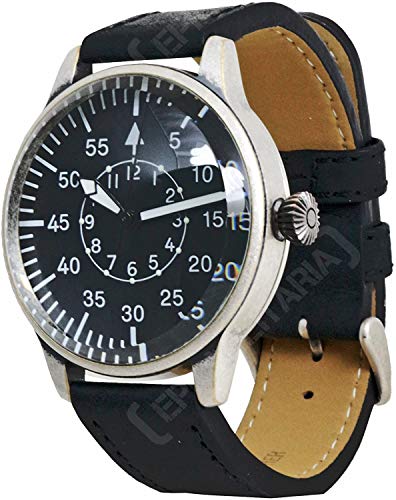
The initial creation of a timepiece worn on the wrist can be traced back to the late 16th century. Elisabeth I of England received a decorative wrist-mounted clock from Robert Dudley, the Earl of Leicester, in 1571. This exquisite piece displayed the ingenuity of the era, combining timekeeping functionality with artistry and elegance.
However, it wasn’t until the 19th century that the contemporary form of this accessory gained widespread popularity. In 1868, a renowned Swiss manufacturer, Patek Philippe, produced a timekeeping device specifically designed for Countess Koscowicz of Hungary. This design contributed significantly to the modern conception of the wrist-oriented timekeeper.
The move towards adapting portable timepieces for everyday use reflects changing societal norms and lifestyles. By the advent of the 20th century, military applications during conflicts further accelerated acceptance, making the wrist-mounted variant indispensable for soldiers in the field.


These historical milestones shaped the evolution of personal timekeeping devices, culminating in the sophisticated designs available today. Understanding the origins enriches appreciation for the craftsmanship and innovation inherent in each piece.
Historical Context of the First Wrist Watch
Emergence of personal timekeeping devices coincided with technological advances in the 19th century. By this period, pocket timepieces dominated, symbolizing wealth and status. Yet, practicality dictated a transformation in design, leading to the adaptation of these instruments for portability.
Women began wearing miniaturized timepieces as decorative jewelry, while military applications spurred innovations for male officers. The transition occurred around 1868, when a renowned Swiss manufacturer created an elegant piece specifically designed for a countess. This adaptation improved utility, allowing wearers to access timekeeping seamlessly during daily activities.
Shifts in Perception
Initial skepticism surrounded these wearable devices, with many considering them mere accessories rather than tools of precision. However, the convenience and accessibility of these innovations gradually gained acceptance across varying demographics. By the late 19th century, operational advancements further solidified their functionality, leading to widespread adoption and eventual integration into daily life.
Industrial Influence
Mass production techniques in the early 20th century democratized these timepieces, facilitating their availability to broader audiences. Manufacturers implemented assembly line practices, reducing costs and increasing output. This era marked a pivotal moment, transitioning these devices from exclusive items to everyday essentials, shaping the modern landscape of horology.
Key Features of the Original Timepiece
Characteristics of the inaugural portable timekeeper include precision, craftsmanship, and innovative design elements that set a precedent for future models.
Precision and Mechanism
- Utilized a manually wound mechanical movement.
- Incorporated a small balance wheel to enhance accuracy.
- Served as a precursor to more complex movements in later designs.
Craftsmanship and Materials
- Featured a case made of gold or silver, showcasing artisan skills.
- Dials were often enamel or metal, adorned with intricate decorations.
- Straps were crafted from leather or fabric, emphasizing comfort and wearability.
This pioneering creation not only marked a significant shift in timekeeping but also laid the groundwork for personal timepieces that followed.
Influential Figures Behind Its Creation
Key players in the development of the wrist-mounted timepiece include Patek Philippe, who crafted a notable model in 1868 for Countess Koscowicz of Hungary. This distinguished piece featured a delicate design paired with sophisticated mechanics, setting a standard for future designs.
Another significant contributor was Louis Cartier. In 1904, he designed a piece for aviator Alberto Santos-Dumont, a design that bridged functionality with luxury, addressing the need for pilots to check time without sacrificing focus on flying.
Movements in the watchmaking industry brought forth figures like Hans Wilsdorf, co-founder of Rolex. He popularized the concept of wrist-worn devices, promoting practicality and precision, along with marketing strategies that established a brand synonymous with quality.
Innovators such as Georg Friedrich Bruegger and his successors further advanced technology and craftsmanship, impacting how these pieces evolved in terms of durability and aesthetics.
The collaboration among these visionaries played a pivotal role in transitioning timekeeping from pocket styles to an accessory synonymous with elegance and functionality, shaping the landscape of horology significantly. Their contributions crafted a legacy that still influences modern designs today.
Materials Used in Early Timepieces
Early timepieces primarily utilized brass for their cases and inner mechanisms. This metal provided durability and was relatively easy to work with, allowing for intricate designs and precision in manufacturing components. Silver and gold were also common in higher-end models, offering an aesthetic appeal and status symbol for the wearer.
Glass was used for the dials and protective covers, with many opting for simple crystal materials initially. Innovations in this area led to the introduction of sapphire crystal in later models, providing enhanced scratch resistance.
Leather emerged as a favored material for straps, combining comfort and flexibility. Some models featured metal links or chains, preferred for their robustness. The combination of these materials allowed for varying styles and functional benefits, catering to different consumer preferences.
Numerous early designs also incorporated enamel, often seen in decorative elements on the dial. This added a layer of artistry and personalization, as various colors and patterns could be employed to appeal to individual tastes.
As time progressed, materials became more sophisticated, enhancing the overall functionality, aesthetics, and longevity of these personal timekeepers.
Impact on Watchmaking and Fashion Trends
Transitioning to portable timekeeping devices reshaped wrist attire globally. This evolution prompted a blend of practicality and elegance, establishing benchmarks in craftsmanship and design aesthetics.
Influence on Modern Timepieces
Early pieces paved the way for advancements in horological engineering, including:
- Incorporation of quartz technology.
- Adoption of diverse materials like ceramics and titanium.
- Innovations in water resistance and durability.
Understanding foundational designs allows manufacturers to experiment while still paying homage to historical influences, enhancing brand identity and consumer relationships.
Fashion and Cultural Significance
Cultural perceptions shifted as wrist devices evolved into fashion statements. Influencers, celebrities, and fashion designers began to collaborate with timepiece makers, leading to:
- Exclusive collections aimed at luxury markets.
- Co-branding initiatives with high-end fashion houses.
- Innovative advertising strategies targeting young, style-conscious consumers.
This strategic alignment with fashion trends has not only reinforced a timekeeper’s significance in daily wear but also solidified its status as a statement of personal style and social sophistication.
Legacy and Evolution of Timepieces
The transformation of timekeeping instruments into fashionable accessories began with early models that emphasized utility alongside aesthetics. Today, these innovations reflect advancements in technology, materials, and design.
Technological Advancements
Modern craftsmanship embraces a mix of traditional techniques and cutting-edge technology. Smart versions integrate functionalities like health tracking and notifications, merging style with practicality. Brands leverage innovations in quartz and mechanical movements to enhance precision and durability.
Fashion and Cultural Influence
Contemporary designs echo historical influences while embracing diverse cultural aesthetics. Iconic brands have collaborated with fashion designers to create limited editions, further blending horology with haute couture. Seasonal trends exhibit variations in color, materials, and shapes, appealing to various consumer preferences.
| Era | Key Features | Style Influences |
|---|---|---|
| 20th Century | Mechanical to quartz transition | Masculine and minimalist designs |
| 21st Century | Smart and hybrid variants | Bold colors and unique shapes |
Each generation adapts this accessory to reflect current societal values, ensuring its continued relevance in modern wardrobes. From classic elegance to tech-savvy designs, these instruments resonate with individual identity and lifestyle choices.



