
 Ethan Cole

The left hand is the preferred choice for many individuals when it comes to placing their timepiece. This trend stems from the fact that most people are right-handed, making the left arm more convenient for wearing accessories without interference during daily tasks.
In addition to convenience, wearing on the left side can help protect the device from potential damage, as the dominant hand is often engaged in various activities. However, left-handed individuals may opt for the right arm to maximize comfort and accessibility.
Style and personal preferences also play a significant role in this decision. Certain timepieces, especially larger models, may feel more balanced or visually appealing on one side over the other. Ultimately, the choice remains subjective, dictated by individual comfort and daily routines.
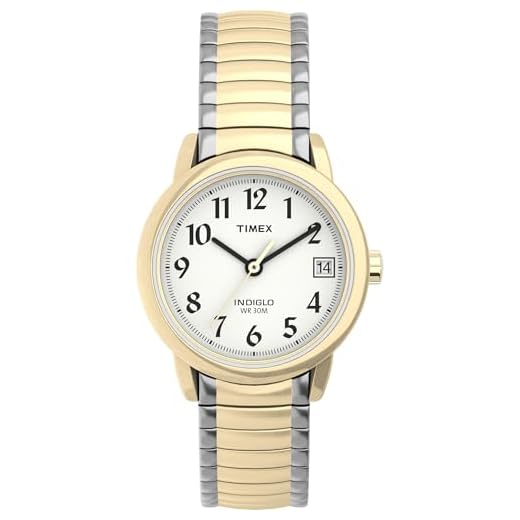
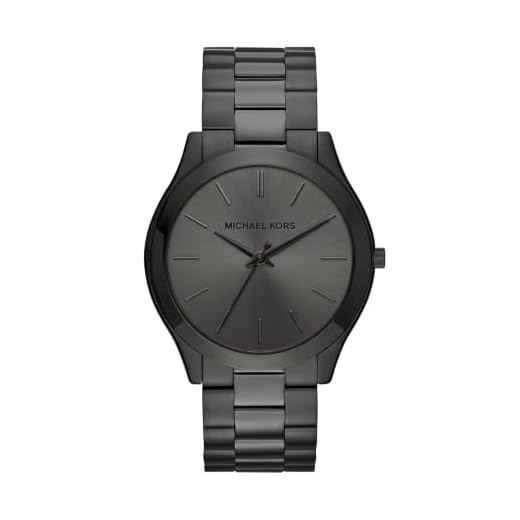
Recommended Placement for Timepieces
For optimal comfort and accessibility, it is common to place timekeeping devices on the non-dominant side. For right-handed individuals, this often means positioning the accessory on the left side, while left-handers generally prefer the opposite. This positioning reduces the likelihood of damage during daily activities and enhances the ability to check the time with ease.
Style Considerations
Choosing the correct side for your timepiece also depends on style preferences. A left-sided adornment may create a more balanced aesthetic with other accessories, such as bracelets or bangles. Alternatively, wearing on the right side can offer a unique touch for those looking to stand out.
Functional Factors
Consider the functionality of the device as well. For models with intricate dials or buttons, the position on the non-dominant side allows for better control and minimizes accidental adjustments. Additionally, specific lifestyles may dictate preference; for instance, athletes might opt for the opposite side to prevent interference during training.
Choosing the Right Wrist for Comfort
Select the hand opposite to your dominant one. This method allows for unobstructed movements and reduces the chance of damage during daily activities.
Your preference for wearing timepieces can also depend on lifestyle. Consider factors such as the type of clothing or activities you engage in regularly. For instance, if you wear a lot of long sleeves, positioning your accessory on the dominant side might be more practical.
Take into account the size of the timepiece. Bulkier models may feel more comfortable on the less active side, while slimmer designs can be worn on either side without discomfort.
Pay attention to the fit. Ensure that the band is neither too tight nor too loose. A well-fitted band prevents irritation and allows for better blood circulation.
Experiment with different orientations. Some individuals prefer a certain angle for easier visibility of the face. Adjusting the tilt can enhance the overall experience while wearing.
Cultural Norms: Left vs. Right Wrist
Traditionally, the majority favors the left side for timepieces, particularly among right-handed individuals. This preference is often influenced by cultural standards, where wearing on the left symbolizes practicality and ease of access. For right-handed wearers, it minimizes potential damage during daily tasks.
Conversely, left-handed people frequently choose the right side. This practice stems from a desire to prevent scratches or interruptions caused by dominant hand usage. Hence, personal orientation dictates choice, reflecting comfort over established norms.
In various cultures, timekeeping styles also vary. For instance, some communities consider the left side a sign of sophistication, while others associate the right with a more casual approach. Awareness of these distinctions can enhance understanding of personal expressions through accessories.
In professional sectors such as aviation or military, wearing on the dominant side is encouraged for functionality. This utilitarian view prioritizes practicality, further challenging traditional notions. As social norms evolve, so do individual choices, leading to a more diverse landscape where personal preference reigns supreme.
Ultimately, the decision rests on individual comfort and lifestyle requirements rather than strict adherence to cultural expectations. Choose what feels right, as personal satisfaction outweighs conventional practices.
Watch Functions and Their Impact on Wrist Choice
The type of features a timepiece offers can dramatically influence the choice of location for wearing it. For example, a sports model equipped with a heart rate monitor or GPS often finds its place on the dominant appendage to facilitate physical activity and easy access. Conversely, sophisticated models with numerous complications, such as perpetual calendars or moon phases, might be more suitably placed on the non-dominant side, where they can be admired with less interference.
For fashion-centric styles, aesthetics play a significant role. Wearing a statement piece on the less active arm allows for unobtrusive flaunting, making a striking impression without being in the way during everyday tasks. Similarly, minimalist designs may favor placement on the preferred arm to highlight simplicity and elegance, enhancing the overall look without distraction.
In professional settings, functionality drives placement decisions. Instruments used for specific tasks, like diving or aviation, should naturally occupy the arm less prone to disruption from occupational duties, allowing seamless operation of their unique features. Additionally, timepieces equipped with smart technology may be positioned for quick access to notifications, enhancing both convenience and efficiency.
Personal preferences also emerge based on user experience with various functionalities. Some individuals may prioritize comfort, opting for models that fit snugly without hindrance. Others may choose functionality over comfort, particularly with features like touchscreen or rotating bezels, which often benefit from being on the more responsive arm.
Personal Style: Left-Handed vs. Right-Handed Considerations
For optimal comfort and functionality, right-handed individuals typically fasten their timepieces on the left arm, while left-handed users may opt for the right. This aligns with natural movement patterns and ease of use. However, personal preference plays a significant role.
- Right-Handed Style: Conventional placement on the left allows for better visibility and accessibility. The dominant hand is free to operate functions without interference.
- Left-Handed Adaptation: Some lefties prefer using the right side for similar reasons. Many brands offer models designed for this preference, featuring crown and control adjustments that cater to left-handed wearers.
- Fashion Statement: Some choose to wear on the opposite arm as a fashion statement, breaking norms and showcasing individuality.
Comfort dictates choice. Testing different placements can provide insights into personal ease and style. Consider the design of the piece; certain styles may fit better on one arm than the other based on ergonomic factors.
Ultimately, whether prioritizing practicality or aesthetics, the choice should reflect personal identity and lifestyle. Focus on functionality but allow for creative expression.
Activity-Based Choices: Sports vs. Formal Wear
For active pursuits, sport-centric models on the dominant hand enhance accessibility and reduce the risk of damage. They often feature robust materials and designs suited for physical activities, ensuring durability and ease of access during workouts. Favor a strap that allows for a secure fit without compromising mobility.
Conversely, formal occasions call for a sophisticated approach. Opting for elegant pieces on the non-dominant side complements attire while minimizing distractions during interactions. The refined aesthetics often pair well with dress shirts and suits, establishing a polished image.
- Sports Models:
- Durable materials such as silicone or stainless steel.
- Digital displays for quick time access and features like heart rate monitoring.
- Worn on the dominant side for easy visibility during physical activity.
- Formal Models:
- Leather or metal straps that enhance elegance.
- Classic designs with analog displays to convey sophistication.
- Favor the non-dominant side to keep balance and maintain professionalism.
Consider the occasions you frequently attend and select your wearable instrument accordingly to align with your lifestyle and daily needs. Ensuring functionality while maintaining style can significantly elevate the impression you convey in various settings.
Adjusting and Sizing: Ensuring Proper Fit on Your Wrist
To achieve a comfortable fit, measure the circumference of your arm using a soft measuring tape. Ideally, there should be a small gap between the band and your skin, typically around one finger’s width.
For watch bands made of metal, links can often be added or removed to alter size. If opting for leather or fabric, look for adjustable options with multiple notches or Velcro closures for adaptability.
| Type of Band | Adjustment Method | Considerations |
|---|---|---|
| Metal | Adding/Removing Links | May require professional adjustment tools. |
| Leather | Using Holes or Buckles | Should be snug without restricting blood flow. |
| Fabric | Velcro or Sliding Mechanisms | Easy to adjust and typically more forgiving. |
Before making a choice, ensure that any adjustments do not compromise functionality. A watch too tight can lead to discomfort, while one too loose may slide around and become prone to damage.
Regularly check the fit, particularly after any significant changes in weight or wrist size. A correct fit not only improves wearability but also enhances overall aesthetics.



