
 Ethan Cole
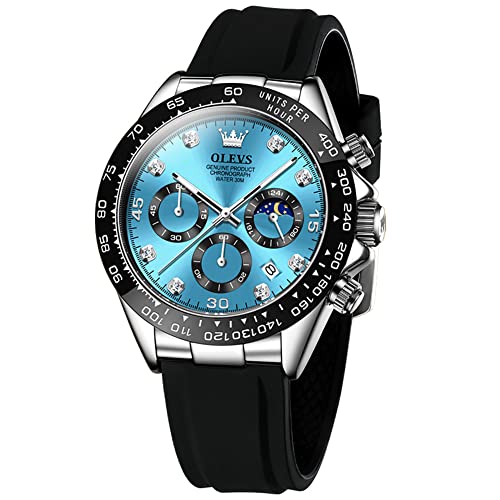
For most individuals, the left side remains the preferred choice for wristwatches. This trend can be attributed to several factors, including convenience and the prevalence of right-handedness in the general population.
However, there are several considerations that might influence this decision. For instance, those who are left-handed may find comfort in adorning the right arm instead. Additionally, professions involving manual labor might warrant wearing a timepiece on the non-dominant side to prevent damage.
Ultimately, personal comfort and style should guide the final choice. Experimenting with different placements can lead to discovering what feels best for daily routine and aesthetics.
Preferred Side for Timepieces
Choosing the left side offers practicality, especially for those who are right-handed, as it allows for easier adjustments. Conversely, positioning it on the right may suit left-handed individuals better, ensuring comfort while operating daily tasks.
Considerations for Placement
Comfort and lifestyle contribute significantly to the decision-making process. For athletes or individuals engaged in manual labor, securing the piece on the non-dominant side may prevent damage and enhance functionality. Fashion preferences also should be taken into account, as certain styles pair better visually depending on the selected arm.
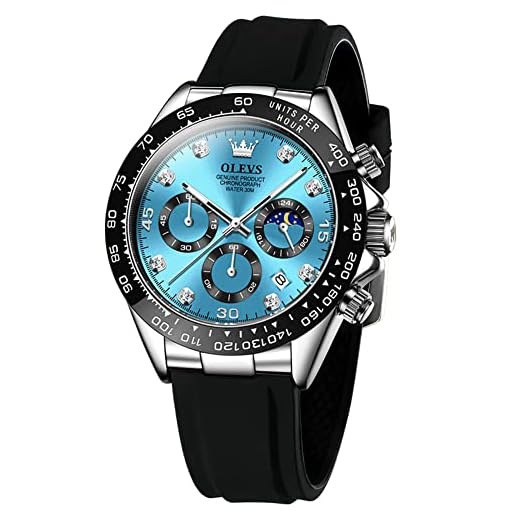

Reputation and Trends
Historical context plays a role in choice as well. Traditionally, many favored wearing accessories on the left, influenced by the prevalence of right-handed usage in society. However, contemporary trends reflect a shift towards individuality, encouraging personal expression regardless of handedness.
Left Wrist vs Right Wrist: Cultural Perspectives
Choosing between the left and right side for wearing a timepiece often reflects cultural beliefs and practices. In various societies, traditions influence wrist placement options significantly.
Western Traditions
In many Western cultures, the common practice is to wear timepieces on the left side. This preference is often attributed to the ease of accessing the watch with the dominant right hand. Moreover, it aligns neatly with the tradition of keeping the dominant hand free for tasks while wearing a timekeeper.
Eastern Norms
Conversely, some Eastern cultures, particularly in parts of Asia, favor the right side for wearing a timepiece. This is frequently tied to beliefs associated with auspicious numbers and the notion of protection. For instance, in Chinese culture, the right side symbolizes strength and integrity, making it a favorable choice for many.
- Symbolism: Right for protection in some cultures.
- Functionality: Left for convenience with the right hand.
- Gender Influence: Certain communities associate specific wrist choices with gender norms.
Understanding these cultural nuances enhances appreciation for wrist-wearing habits across different regions. Each individual’s choice may merge personal style with deep-rooted beliefs, reflecting their identity and community values.
Choosing the Right Wrist for Comfort and Functionality
For optimal comfort and functionality, consider wearing a timepiece on the non-dominant side. This placement minimizes the risk of damage during daily activities and ensures seamless functionality, especially with features like buttons or crowns.
When selecting a side, evaluate personal habits. For instance, if frequently using the dominant hand for tasks, positioning the accessory on the alternate side can enhance ease of access and comfort. This approach can also help in preventing accidental knocks against surfaces.
Factors such as the size and weight of the timekeeping device can influence the decision. Lighter, more compact models may feel suitable on either side, while bulkier designs typically favor the non-dominant side due to a lower chance of interference during routine movements.
In addition to practicality, explore personal style preferences. Some individuals opt for a specific side based on aesthetic reasons, while others conform to traditions or social norms. Ultimately, the choice should align with both individual lifestyle and comfort for the best experience.
Watch Types and Their Preferred Wrist Placement
For optimal wear, consider these common timepiece categories and their suitable arm locations:
- Dress Watches: Typically worn on the non-dominant side to ensure they remain unobtrusive during formal events.
- Sports Watches: Often placed on the dominant side for easy access during activities. Their durability warrants this positioning for convenience.
- Smartwatches: Preference varies, but many users favor the dominant arm for intuitive interaction with touch screens and notifications.
- Field Watches: Built for ruggedness, these are commonly worn on the non-dominant side to avoid damage during outdoor activities.
- Diving Watches: Best on the dominant arm, allowing divers to easily check time while wearing diving gear.
Understanding the purpose and design of different models can enhance daily functionality and comfort.
Fashion Trends: Which Wrist is More Popular?
Generally, the left side is favored for accessory placement. Statistically, up to 70% of individuals choose this side for timepieces. This preference aligns with the design of most timepieces, allowing for easier adjustments by right-handed users.
Cultural trends also influence placement choices. In some societies, adorning the right with luxurious models symbolizes affluence and success. This choice resonates more with those seeking to make a fashion statement.
Furthermore, the rise of smart gadgets affects style norms. Many prefer wearing tech-enhanced devices on the non-dominant side to ensure better accessibility and functionality. This shift highlights the evolving nature of accessory placement and personal style.
In terms of fashion, layering bracelets and other jewelry with timepieces typically occurs on the left, enhancing aesthetic appeal. Mixing materials and styles on this side allows for creative expression without sacrificing functionality.
Understanding these trends aids in making informed choices about timepiece arrangements, enhancing both style and practicality. Opting for the left or right side can be a reflection of personal preferences and cultural influences.
Influence of Dominant Hand on Watch Placement
For individuals who are right-handed, positioning timepieces on the left side is common. This practice allows for easier adjustments and visibility when handling tools or performing tasks with the dominant hand. Conversely, left-handed people often favor the right side for similar reasons, enabling seamless engagement with their environment.
The choice also reflects activity levels. Engaging in sports or manual labor may necessitate placing a timekeeper away from potential damage. Right-handed athletes, for instance, might choose the right arm to safeguard devices from impact during movements. In contrast, left-handed athletes might opt for the left side to avoid interference while competing.
Beyond functionality, aesthetics play a role as well. Some individuals prefer wearing accessories on the opposite side to create a balanced look. This preference can be subjective and influenced by personal style. There is no specific rule; rather, comfort often dictates the final decision.
Additionally, cultural factors can influence the decision. Certain regions display a tendency towards either side, reflecting local customs and traditions. Being aware of these nuances may enhance one’s choice in timepiece placement, making it more aligned with social norms.
Ultimately, both functionality and comfort are key in determining optimal placement based on dominant hand usage, personal preference, and cultural influences. Adjust accordingly to enhance both practical usability and aesthetic appeal.
Adjusting Your Timepiece for Various Arm Positions
For optimal comfort and functionality, consider the following adjustments based on the location of the accessory. Ensure that the bracelet is appropriately fitted to avoid circulation issues or discomfort during daily activities.
Fitting Recommendations
A perfect fit is often key to enjoying a piece. Here are some guidelines:
| Position | Recommended Adjustment |
|---|---|
| Left Arm | Maintain a snug fit without being too tight. Aim for a gap of one finger when the hand is relaxed. |
| Right Arm | Allow slightly more space to account for movement; a looser fit can facilitate natural wrist actions. |
| Movement-Sensitive Activities | Consider a more secure fastening, particularly during physical or manual tasks. |
Adjustments for Specific Watch Types
The type of timepiece also influences how it should be fitted. For instance:
Dress models tend to require a more elegant and snug fit to enhance aesthetics, while sports variants benefit from a looser configuration to accommodate wrist movement during activities.
Consistent monitoring of fit over time is advisable. Changes in wrist size due to weight fluctuation or lifestyle shifts should prompt re-evaluation for sustained comfort and functionality.



