
 Ethan Cole

For optimal comfort and style, a timepiece is typically worn on the left side. This choice aligns well with the majority of individuals being right-handed, allowing for easier adjustments and interactions without hindering daily activities.
When selecting a design, keep in mind that the size and weight can influence the overall feel on the arm. Lightweight and snug-fitting models are ideal, as they minimize any potential distractions during wear. Additionally, consider the aesthetic appeal in relation to your outfit, as certain styles may harmonize better with specific attire.
Accessorizing is key; layering with bracelets or bangles can enhance personal style. Just ensure that these additions don’t interfere with the functionality or positioning of the timepiece. Experiment with combinations to achieve an effortless look that reflects individual taste.
Which Arm for a Timepiece?
Commonly, the left side is preferred for timepieces due to the majority being right-handed. Wearing on the left allows for easier adjustment and visibility. However, personal comfort and style take precedence.
Style Considerations
Opt for the dominant side if it enhances your look and accessibility. Different designs may also influence placement; for instance, chunky styles might be better suited to the non-dominant side to avoid obstruction during tasks.

Wrist Size and Comfort
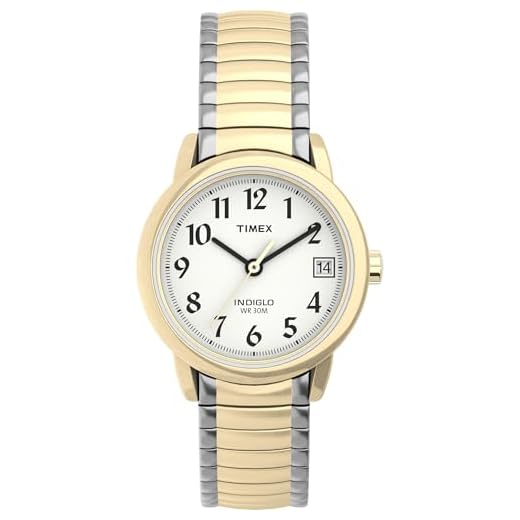
Pay attention to the fit. An adjustable strap can make a significant difference in comfort and style. If the fit feels snug or loose, consider trying it on the opposite arm to assess better comfort.
In the end, choose the position that aligns with your personal aesthetic, ensuring both functionality and comfort are achieved.
Understanding Cultural Norms for Watch Placement
Traditionally, several cultures associate specific arm placements with notions of elegance and tradition. In many societies, placing a timepiece on the left side is viewed as a norm due to the majority of people being right-handed. This placement is often perceived as convenient and practical.
In contrast, some communities emphasize individuality. Wearing accessories on the right arm can symbolize personal expression or even luxury, challenging conventional practices. This trend highlights the importance of personal preference over societal expectations.
Cultural significance also influences positioning. In certain cultures, the left side may symbolize passivity, while the right may stand for action and decisiveness. Therefore, individuals may opt for the latter to convey empowerment.
Specific events may dictate choices, such as formal gatherings or casual outings. At formal functions, adhering to traditional placements could be seen as a sign of respect and adherence to etiquette. Meanwhile, in more relaxed settings, flexibility and personal style take precedence, allowing individuals to choose their preferred side.
Regional trends also contribute to preferences, with urban centers often showcasing diverse styles that break away from conventional norms. This cultural melting pot encourages experimentation with placements, allowing for a wide range of personal expression.
Ultimately, understanding these cultural cues helps individuals make informed decisions about where to adorn their timepieces, blending personal style with societal influences.
Choosing the Right Wrist Based on Watch Design
Opt for the left side for timepieces with a larger face, as they tend to suit that placement better. Conversely, delicate or smaller designs are more suited to the right side, balancing proportion with style.
Material and Weight Considerations
Heavier models may feel more comfortable on the stronger arm. Steel and ceramic materials can affect comfort; testing placement before deciding is advisable. Lightweight materials, such as silicone or fabric, typically allow flexibility in choice.
Style and Occasion
Dressier selections, like those adorned with gems or intricate details, are best showcased on the left, drawing attention to elegant outfits. Casual options, including sporty types, fit seamlessly on either side, allowing for versatility. Customizing placement based on personal style enhances the overall appearance.
Assessing Personal Comfort When Wearing a Timepiece
Prioritize fit and adjustability. A well-sized piece should not pinch or slide excessively, allowing for natural movement during daily activities. Consider a flexible band material, such as leather or silicone, which can provide added comfort.
Evaluate weight – a lighter model may be more comfortable for extended wear. Heavy designs could cause fatigue, particularly if adjusted tightly. Balance is key; distribute weight evenly across the arm.
Think about seasonal variations. In warmer months, swelling may occur, suggesting a slightly looser fit is preferable. Conversely, during colder periods, a snugger fit might be more suitable.
Choose placement wisely. Positioning near the base of the hand can enhance comfort, ensuring ease of access to the time without obstruction during tasks. Alternatively, a higher position may prevent interference with sensitive motions.
Consider lifestyle implications. Individuals engaging in high-energy activities might prefer a more secure strap to avoid excess movement. Fashion choices should accommodate both personal style and physical comfort during daily routines.
Reflect on personal preferences. Some may favor bold styles that stand out, while others appreciate minimalist designs. Finding harmony between aesthetics and comfort enhances overall satisfaction with the accessory.
Evaluating the Impact of Style and Fashion on Placement
Traditionally, the placement of timepieces can significantly reflect an individual’s style. Designers often influence which arm is preferred, and this can impact the overall aesthetic of an ensemble. Analyzing current trends reveals that many contemporary design houses advocate for wearing their creations on the non-dominant side to highlight fashion without compromising functionality.
Current Trends in Fashion
In recent seasons, accessories have shifted towards bold and oversized designs, leading many to opt for an arm that draws attention. Placing a statement piece on the right can complement outfits, especially in professional settings. Many influencers have adopted this approach, suggesting that there’s a growing acceptance of the unexpected.
| Style Influence | Common Practices |
|---|---|
| Casual Attire | Often worn on the dominant side for practicality. |
| Formal Wear | Typically placed on the alternative side to balance elegance and functionality. |
| Streetwear | Random and eclectic placements are encouraged for personal expression. |
| Sporty Looks | Usually positioned on the non-dominant side for ease of use during activities. |
The Role of Influencers and Celebrities
Prominent figures in the fashion industry often set precedents regarding arm selection. Many sport their accessories on the opposite side of their dominant hand, presenting an image of casual elegance. This trend is gradually permeating popular culture, suggesting that placement can enhance personal style and individuality.
Considering Activities and Functionality in Wrist Choice
Selecting the appropriate arm for timepieces often revolves around daily activities and their demands. For example, if engaging in sports or physical exertion, positioning the timepiece on the non-dominant side may enhance comfort and minimize the risk of damage.
Activity-Based Recommendations
- Sports Enthusiasts: Opt for a snug fit on the opposite arm to avoid interference during movements.
- Office Settings: Wearing on the dominant side can facilitate quick glances while typing or attending meetings.
- Casual Outings: Flexibility allows for personal preference, though styles with intricate designs may be better suited to the non-dominant limb.
Functionality Considerations
When evaluating task-specific requirements, attributes like water resistance and durability become paramount. For instance, while engaging in activities such as swimming or hiking, investing in a timepiece engineered for robust conditions will dictate placement for optimal accessibility.
Additionally, features like smart notifications may influence preference; wearing on a frequently used arm enhances responsiveness. Balancing functionality with aesthetic appeal ensures alignment with lifestyle while showcasing personal taste.


