
 Ethan Cole

For those considering which arm to place a timepiece on, the left side emerges as the most favored option. This preference is largely due to the majority of individuals being right-handed, allowing for greater comfort and ease of adjustment when the accessory is placed on the non-dominant side.
However, preferences can vary. Some opt for the right side, driven by personal style or comfort. Those with larger or heavier pieces might find it more practical to position them on the opposite side. Regardless of choice, the key is ensuring that the fit is snug yet comfortable, allowing for regular movement without obstruction.
When selecting the arm for your timepiece, consider the aesthetics and functionality. For example, if frequent adjustments are anticipated, the dominant arm may facilitate this with ease. Additionally, considerations around outfit type and accessories can play a role; wearing a bangle or bracelet on the same side may influence the decision.
Ultimately, personal style and individual comfort should guide the choice of arm for showcasing this elegant accessory.
Preferred Arm for Timepieces
For most, the ideal arm for a timepiece is the non-dominant one. This choice enhances comfort and minimizes the risk of damage while performing daily tasks. For right-handed individuals, the left arm is generally favored, while left-handed individuals might opt for the opposite.
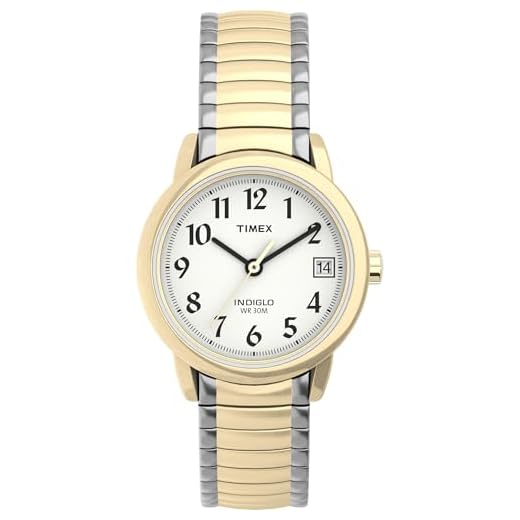

Consider the size of the accessory as well. A more substantial or ornate design can draw attention, so placement on the non-dominant arm helps maintain balance in style and utility. Additionally, wearing it on this arm can be more advantageous for easy glances at the time.
Personal preference plays a significant role as well. Some individuals may prefer a certain arm due to fashion choices, style statements, or cultural factors. Ultimately, the best arm is the one that feels most comfortable and suits personal aesthetics.
The Cultural Significance of Watch Placement
Traditionally, wearing a timepiece on the left side is common, rooted in historical preferences where the right hand was often dominant for various tasks. This not only reflects practicality but also cultural norms across different civilizations.
- Historical Practices: In several cultures, the left side was preferred due to customary beliefs about left-sided positioning being associated with safety and protection. Back in the era of pocket watches, accessibility from the left pocket was paramount.
- Gender Norms: As societal roles evolved, so did the symbolism associated with accessories. A timekeeper often represented status, and placement indicated sophistication or masculinity, illustrating the intersection of gender and fashion.
- Influences from Fashion Trends: In contemporary settings, fashion icons often redefine conventions. A shift towards right-side placement can signify rebellion against norms or simply a style choice, aligning with personal identity rather than tradition.
- Practical Considerations: Some might find utility in the fit or functionality related to arm movement. Athletes, for example, may choose a side that accommodates their physical activities without inconvenience.
A suggested approach would be to consider not only personal comfort but also the cultural context when making decisions about placement. This can enhance the wearing experience and reflects an appreciation for the accessory’s broader significance throughout history.
Left vs Right: The Practical Considerations
The dominant hand often influences which arm to don a timepiece. For right-handed individuals, placing the accessory on the left is typical, allowing ease of adjustment with the dominant hand. Conversely, left-handed individuals might prefer the opposite, opting for the right side.
Comfort plays a crucial role. Wearing on the non-dominant side can minimize interference during daily tasks, reducing wear and tear. This placement can also help avoid scratches and damage from activities like typing or writing.
Consider the type of watch. Bulky or oversized designs may be better suited for the arm not in prolonged use, ensuring a snug fit without discomfort. Lightweight or dressy varieties can fit both sides elegantly, depending on personal choice and comfort level.
Engagement in specific activities may dictate which side is preferable. For athletes and active individuals, selecting the choice that provides comfort during workouts without hindrance becomes paramount. Adjustable bands can enhance this experience significantly, allowing for quick alterations as needed.
Lastly, reflection of personal style cannot be understated. Choosing a side that aligns with fashion preferences or complements outfit combinations allows for unique expressions, making the decision as much about aesthetics as practicality.
How to Determine Your Dominant Hand’s Influence
Identify your dominant side to guide the choice of placement for that timepiece. For most individuals, this is the hand that experiences more activity, making it more practical to keep accessories on the less active side. This can prevent potential damage and discomfort during daily tasks.
Activity Level Assessment
Evaluate the frequency of usage for both hands throughout your day. If one hand is consistently engaged in tasks such as writing, cooking, or handling objects, consider positioning the accessory on the opposite side to reduce distraction and wear.
Style and Comfort Preferences
Personal preference plays a crucial role. Some prefer the convenience of seeing the face on their dominant side, while others may prioritize comfort. Test various placements to find what feels right during everyday movements.
Fashion Trends: Which Wrist Is In Style Now?
Current fashion insights suggest opting for the left arm for timepieces to reflect modern elegance. This choice aligns with popular designers showcasing pieces adorned predominantly on the left during recent runway events.
Some style aficionados are breaking norms, favoring the right side to create a more individualistic statement. This trend emphasizes personal expression over traditional conventions.
Consider color coordination and overall outfit aesthetics when selecting which side to adorn. Light-toned garments harmonized with softer metals on the left complement a more classic look, while bolder, darker styles juxtaposed with statement pieces on the right draw attention.
| Fashion Statement | Left Arm | Right Arm |
|---|---|---|
| Minimalistic Styles | Preferred Choice | Occasional Preference |
| Bold Expressions | Less Common | Increasingly Popular |
| Contrasting Accessories | Subtle Match | Vivid Contrast |
Observe influencers and celebrities for cues on contemporary styles. Their choices can impact collective preferences significantly. Stay updated with fashion magazines and blogs to follow emerging practices and make informed choices.
Comfort and Movement: Finding the Perfect Fit
The optimal placement for a timepiece ensures both comfort and accessibility. Personal preference plays a significant role, but attention to the sizing and weight of the item leads to a more enjoyable experience. Therefore, testing various positions is advisable to determine what feels best during daily activities.
For those who prefer minimal interference, opting for the less dominant side is recommended. This approach prevents potential distractions and allows for greater freedom of motion. However, monitor any discomfort from the strap. A snug fit is essential, while excessive tightness could lead to irritation.
- Choose adjustable bands to allow for fine-tuning.
- Consider lightweight materials that do not compromise style.
- Make sure the clasp or closure does not dig into the skin.
Throughout the day, factors such as temperature and humidity may influence comfort. A breathable strap can alleviate discomfort during warmer days. Similarly, opting for a slightly looser fit after meals can accommodate for natural swelling.
Finally, remember that the alignment of the piece with the arm’s natural movements enhances fluidity. In conclusion, prioritize personal comfort, adjustability, and flexibility to achieve a perfect fit that complements an active lifestyle.
Customizing Your Look: Bracelets and Accessories
Elevate your ensemble with the strategic layering of bracelets or accessories. Opt for delicate pieces that complement the main timepiece without overpowering it. A thin gold or silver bangle can create an elegant touch when placed beside a classic watch.
Mix and match materials; wood, leather, or gemstones introduce varied textures. For a more bohemian feel, consider stacking beaded bracelets alongside a simple watch. Aim for a balanced aesthetic by varying widths; combine slimmer bands with chunkier designs to create visual interest.
Color coordination plays a significant role in pulling an outfit together. Choose hues that echo the tones of clothing or the dial of your watch. Metallics can harmonize with jewelry, while earthy tones may provide a warm contrast. Select items that possess similar finishes, whether matte or shiny, to maintain a cohesive look.
Don’t neglect the importance of function; ensure accessories don’t hinder comfort. Opt for adjustable pieces that accommodate movement, avoiding any that feel restrictive. Personal flair can also shine through; choose trinkets that reflect individual style, such as charms or personalized engravings. Layering different lengths, like a choker paired with a longer necklace, can further enhance the overall appearance without clashing with your primary accessory.
Finally, remember to consider the occasion. For formal events, choose sophisticated minimalism. Casual outings allow for bolder combinations and playful experimentation. Balancing elegance with creativity will allow you to express yourself while making a stylish impression.



