
 Ethan Cole

In the 16th century, the introduction of portable timepieces began to shift from pocket devices to something more wearable. By the 17th century, innovations in mechanics and design paved the way for a more compact form, leading to the conception of arm-mounted timekeepers.
Circa 1868 marked a significant milestone, as the first true modern variant emerged. This prototype, designed by Patek Philippe, is often credited as the catalyst for the transition toward what we recognize today as a contemporary timepiece worn on the wrist. Following this breakthrough, the concept gained traction among military personnel during the late 19th and early 20th centuries.
The mass adoption surged during World War I, where practicality and accessibility drove demand for these convenient devices. By the 1920s, wrist adornments transitioned from a functional item to an accepted fashion statement, shaping the watch industry as we know it. Collectively, these eras signify a profound shift in the fabrication of timekeeping instruments.
Timeline of Wrist Timepieces Development
The evolution of wrist-mounted timekeeping devices began in the mid-19th century, around the 1860s. Though early prototypes were created earlier, it was during this decade that they gained traction as practical accessories. Notably, the company Patek Philippe constructed an ornate wristwatch for Countess Kosciesza in 1868, marking a significant milestone in the acceptance of these devices.
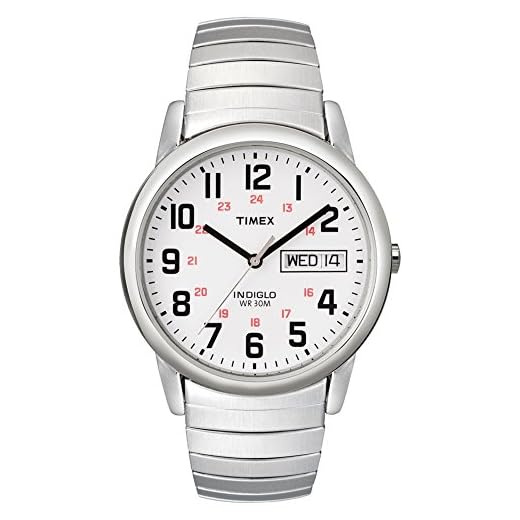

Growth and Popularization
By the late 19th century, military applications accelerated the widespread use of these instruments. Soldiers found them convenient for tactical purposes during conflicts, further enhancing their appeal among the general populace. The early 20th century witnessed an increase in production, with brands like Longines and Vacheron Constantin contributing to the burgeoning market.
Modern Innovations
The introduction of quartz technology in the 1970s transformed the industry dramatically, leading to a surge in accuracy and affordability. Major shifts occurred as manufacturers embraced new materials and styles, catering to diverse consumer preferences. The transition to more contemporary designs solidified the wrist-mounted device as a staple accessory in modern fashion and functionality.
The Transition from Pocket Watches to Wrist Watches
The evolution from pocket timepieces to wearable alternatives occurred in the late 19th and early 20th centuries. This shift began during the First World War, as military personnel needed hands-free tools for quick time checks.
In 1868, the Swiss brand Patek Philippe crafted the first wrist-mounted design for a Hungarian Count, laying the foundation for mainstream acceptance. However, the widespread popularity gained momentum only after the war, when soldiers returned home and recognized the practicality of this format.
By the 1920s, various manufacturers embraced the concept, introducing fashionable designs for both men and women. The Art Deco movement influenced styles, leading to more decorative and personalized pieces, which further appealed to consumers.
During the 1930s, advancements in technology improved mechanics, allowing for slimmer models and better accuracy. This era marked the beginning of iconic designs and brands that are still revered today.
In the following decades, the introduction of quartz mechanisms in the 1970s diversified options, enabling mass production and affordability. As a result, timepieces transitioned from being luxury items to accessible accessories for the everyday individual.
The functionality, style, and convenience of these wearable devices solidified their status, effectively supplanting their pocket predecessors in popular culture and personal fashion. This transformation reflects a fundamental shift in how time was perceived and utilized, marrying aesthetic appeal with practicality.
Historical Context of Early Wrist Watch Development
The initial emergence of portable timepieces for the wrist can be traced back to the late 19th century, primarily for women. The turning point came in 1868, when the Swiss watchmaker Patek Philippe created a bracelet watch for Countess Koscowicz of Hungary, featuring the delicate aesthetics of jewelry rather than typical mechanics.
Military Influence on Design
During the early 20th century, the practical applications of such devices became apparent, particularly in military contexts. Soldiers required a convenient method to track time without the cumbersome nature of pocket alternatives. As a result, armies began issuing these timepieces for improved coordination and strategy during wartime.
Recognition and Popularity Boost
By the 1910s, wrist-mounted timepieces gained traction across different demographics, bolstered by endorsements from notable figures in various industries. Designs evolved, featuring innovative features, styles, and reliable movements, accommodating the increasing demand for functionality and fashion. The Great War served as a catalyst, permanently shifting perceptions towards wrist-mounted devices.
| Year | Event |
|---|---|
| 1868 | First known bracelet watch created by Patek Philippe |
| 1910 | Increased military use of wrist timepieces |
| 1920s | Wrist timepieces become popular among civilians |
Notable Manufacturers in the Early Production of Wrist Watches
Several key brands played significant roles in the inception of timepieces worn on the wrist. Their contributions laid the groundwork for the modern wristwatch industry.
- Breguet: Founded in 1775, this Swiss company introduced some of the earliest examples of wrist-worn timepieces. Abraham-Louis Breguet’s innovations in watchmaking greatly influenced subsequent designs.
- Patek Philippe: Established in 1839, known for high-quality mechanical movements, this manufacturer transitioned from pocket to wrist formats in the late 19th century, creating exquisite designs that remain coveted.
- IWC Schaffhausen: Founded in 1868, this brand became prominent for producing pilot watches, which were among the first practical applications of wrist-based mechanisms in the early 20th century.
- Longines: With roots dating back to 1832, Longines achieved recognition for crafting precise timepieces. Their early wristwatches were designed specifically for military and aviation purposes.
- Baume & Mercier: Established in 1830, they began producing wristwatches in the early 1900s, emphasizing elegance and craftsmanship that appealed to modern consumers.
These brands not only advanced watch technology but also transformed public perception of portable timekeeping devices, establishing wrist-worn options as both practical and fashionable choices.
The innovative spirit and artistry of these manufacturers fostered a legacy that continues to inspire contemporary horology.
The Impact of Military Needs on Watch Design
Military requirements significantly influenced the evolution of timepieces. The necessity for accurate, reliable timekeeping in combat situations led to the development of specialized designs tailored for soldiers. During the late 19th century and into the early 20th century, armies recognized the value of portable timepieces that could be easily read and worn on the wrist, leaving behind traditional pocket models.
Key Features Influenced by Military Demands
Durability became paramount, resulting in rugged cases resistant to shocks and environmental factors. Water-resistant technologies were also integrated, essential for soldiers who encountered diverse weather conditions. Additionally, clear and luminous dials ensured visibility in low-light settings, enhancing usability during nighttime operations.
Innovations Born from Combat Experience
The necessity for synchronization during maneuvers spurred the development of features like chronographs and precise markings. Brands such as IWC and Hamilton designed models specifically for military use, incorporating functionalities that catered to tactical requirements. This emphasis on practicality set the stage for modern timekeeping advancements, demonstrating how warfare catalyzed innovative changes in watchmaking.
Technological Innovations in Early Wrist Watch Production
Innovations in the manufacturing of timepieces during the late 19th and early 20th centuries laid the groundwork for the modern wrist timekeepers. Key advancements included the use of smaller, more precise movements, allowing for compact designs suitable for wearing on the wrist. Integration of lever escapements enhanced accuracy, while the incorporation of lighter materials contributed to comfort and wearability.
The introduction of mass production techniques, inspired by the industrial revolution, enabled manufacturers to produce timekeeping devices more efficiently. This shift allowed for standardized parts and interchangeable components, significantly lowering costs and increasing accessibility to a broader audience.
Manufacturers also experimented with case designs. Protective cases became a focal point of innovation, incorporating materials such as stainless steel and later resin, which provided durability while maintaining a lightweight profile. Advances in waterproofing techniques further expanded the functionality of these accessories, catering to various lifestyles and activities.
Additionally, the evolution of strap materials, transitioning from leather to metal bracelets and synthetic alternatives, illustrated the fusion of practicality and style in early designs. These technological strides ensured that wearing a timepiece became not only a matter of utility but also a fashion statement.
FAQ:
What year did wristwatches first start being made?
The first wristwatches began to appear in the 16th century. However, it was during the late 19th century that they became more popular and were mass-produced. The shift towards wristwatches as a common timekeeping device can be attributed to military needs, particularly during World War I, when soldiers found it more practical to wear watches on their wrists instead of using pocket watches.
How did the design and functionality of wristwatches evolve over time?
Initially, wristwatches were considered women’s accessories, with men primarily using pocket watches. The design started to evolve significantly in the early 20th century when users began to demand greater practicality and durability. Post World War I, wristwatches gained acceptance among men for their convenience. The introduction of automatic movements in the mid-20th century further enhanced their appeal, allowing for greater reliability and accuracy. Today, wristwatches come in various styles and functions, including smartwatches that integrate technology and connectivity, showcasing the continuous adaptation of this accessory to modern needs.


