
 Ethan Cole

The ascent of portable timekeeping tools began in the 16th century, marking a pivotal shift in how individuals perceived and organized their daily lives. By the early 19th century, styles evolved, leading to the miniaturization of clocks into wearable formats. This transition set the stage for a cultural embrace of these instruments.
The late 19th century witnessed significant advancements in manufacturing techniques, which resulted in increased accessibility to these gadgets. Brands began mass-producing intricate designs, making them not just functional but also fashionable. The establishment of various renowned companies during this period further solidified their status as desirable accessories among the affluent.
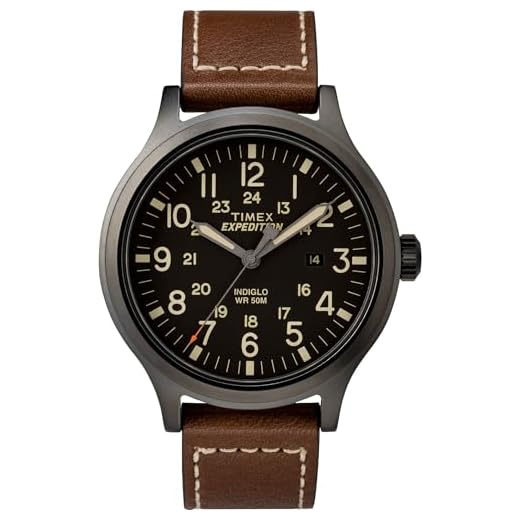

The onset of the 20th century heralded a notable surge in adoption, particularly during wartime when practicality became paramount. Soldiers utilized these tools for tactical advantages, showcasing their reliability. Following the conflicts, the civilian market experienced an upsurge, as designs transitioned toward elegance and fashion, appealing to a broader audience.
As society progressed through the decades, this accessory transformed into a staple of personal expression, merging artistry with technology. By the latter half of the century, wrist-based time indicators became commonplace, symbolizing not only utility but also status and individuality.
The origin of wrist watches in the 19th century
In the 19th century, timepieces evolved significantly, transitioning from pocket models to wearable designs. The introduction of small, precise movements enabled manufacturers to create pieces that could be affixed to the wrist, primarily catering to military needs.
A landmark moment occurred in 1868, when Patek Philippe crafted the first known wrist-mounted timepiece for Countess Koscowicz of Hungary. This innovation spurred interest among affluent individuals, although widespread acceptance was gradual.
During the late 1800s, several European artisans began producing wrist-mounted devices, often designed for women. These early iterations featured decorative elements, serving as both functional tools and fashionable accessories.
The necessity for practicality during active combat in the Franco-Prussian War (1870-1871) further accelerated adoption by soldiers. Troops preferred wearing these timepieces over traditional pocket variants for ease of use.
As manufacturing techniques advanced, more affordable versions emerged, paving the way for broader consumer markets. By the close of the century, wrist-mounted timepieces had begun to carve out a notable place in everyday life, signaling a shift in how time was kept and perceived.
Impact of World War I on Wrist Watch Adoption
World War I significantly accelerated the transition from pocket pieces to arm-mounted timepieces among military personnel and civilians alike. Soldiers required practical solutions for timekeeping in demanding environments, pushing manufacturers to focus on creating durable and reliable options.
- Military Influence: Armoured forces like the British and French saw widespread adoption of portable timekeepers, allowing servicemen to coordinate movements and strategies efficiently.
- Design Innovations: Key advancements emerged, such as robust cases and waterproofing, catering to harsh battlefield conditions. These improvements would later set standards for commercial production.
- Post-War Culture: Returning soldiers popularized these timepieces in civilian life, having grown accustomed to their functionality and convenience, translating military utility into everyday use.
- Mass Production: The war prompted a surge in manufacturing capabilities. Companies like Rolex and Longines expanded production to meet demand, increasing availability of these accessories for the general population.
- Fashion Shift: The post-war era embraced a trend where arm-worn timekeepers became not just tools but also style statements, altering perceptions and affirming their place in societal norms.
These factors collectively reshaped consumer habits and entrenched portable timepieces in modern culture, resulting in significant growth in market demand and changing consumer preferences towards practical fashion accessories.
Key Fashion Trends That Boosted Timepiece Popularity
Chic designs from haute couture houses in the mid-20th century significantly influenced acceptance. Brands like Cartier and Rolex introduced luxurious models that appealed to affluent consumers, blending aesthetics with functionality.
The rise of celebrity endorsements in the 1970s played a crucial role; iconic figures showcased timepieces on-screen and at events, enhancing desirability. This association with glamour created a trend where owning a prestigious model became synonymous with status and sophistication.
During the 1980s, the introduction of colorful and casual styles made these accessories accessible to younger demographics. Swatch, in particular, combined affordability and artistic flair, democratizing access to fashionable models.
The 1990s saw an explosion in the use of smart technology. Features like digital displays and multifunctionality attracted tech-savvy consumers. Brands began to focus on innovation, integrating advanced features that appealed to a practical sense of style.
As sustainable fashion gained traction in the 2000s, eco-friendly brands emerged, promoting ethically sourced materials and production methods. This trend captured the attention of environmentally-conscious buyers, leading to a surge in demand for responsibly made timepieces.
Today, minimalist aesthetics are at the forefront. Clean lines and uncluttered designs resonate with contemporary tastes, pushing brands to adapt and innovate in design while retaining traditional craftsmanship.
The role of female timepieces in the early 20th century
Female timepieces gained significant traction during the early 1900s, reflecting an important shift in fashion and societal roles. By this era, intricate designs and creative artistry became paramount, leading to exquisite models that were not merely functional but also ornamental. These accessories symbolized personal style and status, marking a departure from traditional jewelry.
Design Innovations
Manufacturers began crafting smaller timepieces suitable for a feminine aesthetic, prioritizing elegance and decoration. The use of luxurious materials such as gold and diamond embellishments reached new heights, appealing to an increasingly style-conscious female demographic. Brands introduced intricate dials and unique shapes, showcasing craftsmanship that turned these instruments into coveted fashion items.
Symbol of Independence
The rise of the modern woman also played a crucial role. As more females entered the workforce and adopted more active lifestyles, these timekeepers became symbols of autonomy and sophistication. Access to schedules, meetings, and social engagements necessitated practicality combined with elegance. This adoption illustrated a new era where utility meshed seamlessly with style, enabling women to express their identities through their choice of accessory.
Consequently, the early 20th century marked a pivotal moment for female timepieces, setting the stage for future generations to embrace and innovate upon this trend.
The Influence of Celebrity Endorsements in the 1960s
Celebrity endorsements significantly shaped the allure of timepieces during the 1960s. High-profile figures in film, music, and sports embraced these accessories, making them synonymous with prestige and style. Observing these icons directly associating their fame with specific brands catalyzed mass appeal among consumers.
Star Power and Brand Association
Prominent names such as Elvis Presley and Audrey Hepburn showcased various timepieces in their notable performances and public appearances. In particular, Hepburn’s choice of a classic piece in “Breakfast at Tiffany’s” not only highlighted elegance but also captivated audiences, pushing sales for luxury brands. Similarly, athletes like Roger Moore, who wore timepieces as part of their public persona, expanded the market to a more diverse demographic.
Marketing Strategies and Lifestyle Appeal
Advertisers recognized the effectiveness of integrating celebrities into marketing campaigns, crafting narratives that merged lifestyle aspirations with product excellence. These campaigns illustrated how a timepiece could represent sophistication, achievement, and modernity. Brands strategically aligned with popular culture trends, further solidifying their presence in society. The synergy between celebrity status and luxury timepieces set a precedent, making endorsements an integral part of brand strategies in the decades that followed.
Technological Advancements that Changed Design of Timepieces
Significant shifts in design emerged with advancements in technology, especially during the late 19th and 20th centuries. The introduction of reliable quartz movements in the 1960s posed a major shift, allowing for thinner and more precise designs. Swiss manufacturers developed this technology, enabling mass production and leading to affordable models that served a broader audience.
Materials and Manufacturing Processes
The transition from traditional materials to stainless steel and synthetic alternatives revolutionized durability and aesthetics. Use of plastics and lightweight alloys allowed for innovative designs and greater comfort. The introduction of water-resistant technologies further pushed the boundaries of functionality, appealing to sports and adventure enthusiasts.
Smart Technology Integration
In recent years, integration of smart technology into traditional designs has transformed functionality. Watches now offer health monitoring, notifications, and connectivity options, widening their appeal beyond just timekeeping. This fusion has attracted a younger generation, blending classic styles with modern capabilities.
| Technological Advancement | Impact on Design |
|---|---|
| Quartz Movements | Thinner profiles, greater accuracy, mass production |
| Durable Materials | Innovative designs, enhanced comfort, water resistance |
| Smart Technology | Additional functionality, younger audience, classic-meets-modern aesthetics |



