
 Ethan Cole
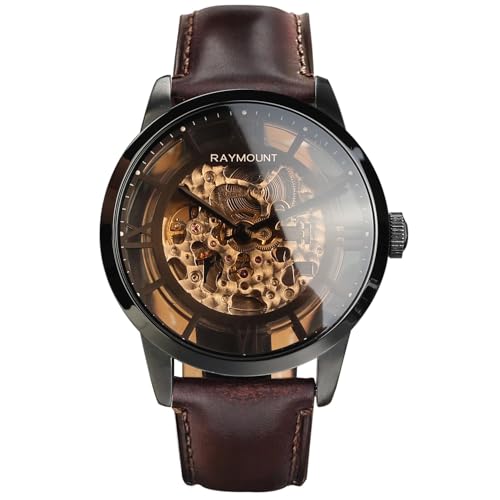
The self-winding mechanism for timepieces emerged in the late 18th century, with the groundbreaking design attributed to Abraham-Louis Breguet. His innovative approach laid the foundation for future advancements, allowing these devices to harness the energy generated by the wearer’s movements.
In 1923, a significant development occurred with the introduction of the Perpetual rotor by John Harwood. This ingenious system improved the efficiency of self-winding devices, making them more reliable and user-friendly, subsequently influencing a wide range of manufacturers in the years to come.
Further innovation arrived in 1930 when the renowned brand Rolex launched its model featuring the self-winding mechanism. This iconic model set a standard for quality and craftsmanship in the horology industry, effectively popularizing this style of timepiece among enthusiasts and collectors alike.


History of the First Automatic Movement
The inception of self-winding mechanisms can be traced back to the 18th century with the work of Hungarian watchmaker Ányos Jedlik. His innovative concept laid the foundation for advancements in horology that followed. However, it was not until the early 20th century that significant strides were made in creating practical timepieces with these mechanisms.
Key milestones in this evolution include:
- 1923 – Swiss watchmaker Abraham-Louis Perrelet developed the first successful self-winding movement for pocket watches, utilizing a rotor that moved with the wearer’s motion.
- 1929 – German manufacturer A. Lange & Söhne introduced a refined version of this concept in wristwatches, enhancing reliability and precision.
- 1934 – Rolex released the Oyster Perpetual model, featuring a water-resistant design that popularized the self-winding feature among a broader audience.
- 1946 – The introduction of the Caliber 321 by Omega showcased further advancements, incorporating a co-axial escapement, which improved accuracy.
Impact and Legacy
These innovations not only transformed timekeeping devices but also established a new standard in mechanical horology. The self-winding feature eliminated the need for daily manual winding, increasing convenience and wearability. As a result, many manufacturers adopted this technology, leading to widespread use of self-winding mechanisms in modern timepieces.
Continued developments in automatic movements helped watchmakers refine their craftsmanship, integrating enhanced complications and materials that catered to both functionality and aesthetics.
Key Innovations Leading to Automatic Watches
Rotor mechanism transformed horology by allowing energy storage through natural wrist movement. This component, initially conceived in the 18th century, became a significant leap forward when applied to timepieces, enabling them to function without manual winding.
Self-winding systems further enhanced convenience, allowing timekeepers to wind themselves automatically. This crucial innovation minimized the need for regular maintenance, appealing to a broader audience.
Mainspring technology saw improvements, optimizing energy transfer and storage efficiency. Enhanced materials, like nickel and new alloys, increased durability and accuracy, addressing common issues faced by earlier models.
Balance wheels gained refinement, providing better precision. The harmonization between the rotor’s movement and balance wheel allowed for increased reliability in displaying time.
Jewels in movements decreased friction, reducing wear and tear on components. This development lengthened lifespans of mechanisms and improved overall functionality.
Quality control processes emerged, ensuring higher standards in production. Enhanced craftsmanship and techniques enforced consistency in performance, leading to greater consumer trust.
Famous Brands and Their Contributions
Role of several prestigious brands has significantly shaped development of self-winding timepieces since their inception. Important contributions include both technical innovations and design aesthetics.
| Brand | Contribution |
|---|---|
| Rolex | Introduced the Perpetual rotor mechanism in 1931, enhancing efficiency of kinetic energy transfer. |
| Seiko | Launched the Spring Drive technology in 1977, combining mechanical movement with quartz accuracy. |
| Omega | Developed the Co-Axial escapement in 1999, which reduced friction and increased long-term precision. |
| Patek Philippe | Created highly complicated movements, incorporating features such as perpetual calendar and minute repeater. |
| Breitling | Famous for aviation timepieces, they redefined functionality and durability in pilots’ models. |
These brands exemplify how artistry and engineering intertwine, producing timepieces that exemplify both form and function while setting industry standards.
How Automatic Watches Work Mechanically
Mechanical timepieces utilize a system of intricate parts functioning in harmony to keep accurate time without an external power source. The main component, the mainspring, stores energy when wound and releases it gradually, allowing the movement to proceed. The escapement regulates this release, ensuring consistent movement of the gears.
Key Components
In these timepieces, key components include the rotor, which is typically connected to the escapement. As the wearer moves their arm, the rotor spins and winds the mainspring, replenishing its energy. This self-winding mechanism is the heart of the design, making energy consumption efficient and maintaining operation as long as the wearer is active.
Precision and Regulation
Precision relies on the balance wheel and hairspring, which form the regulating system. The balance wheel swings back and forth at a controlled rate, while the hairspring ensures that these oscillations are consistent. Together, they contribute to accurate timekeeping, allowing for deviations of only a few seconds per day.
Differences Between Automatic and Manual Timepieces
Choose a self-winding or hand-wound model based on personal preferences and lifestyle. The former harnesses kinetic energy from wrist movements, eliminating the need for daily winding; the latter requires regular manual winding to maintain functionality. This characteristic influences convenience and daily routines of wearers.
Maintenance Requirements
Maintenance varies significantly. Self-winding mechanisms generally necessitate less frequent servicing, thanks to their design minimizing wear and tear during regular use. Hand-wound counterparts may demand more attention, as constant winding can lead to wear on the mechanism over time. Regular checks are advisable to ensure longevity.
Power Reserve and Duration
Power reserves differ substantially between the two types. Self-winding models often boast extended power reserves, ranging from 48 hours to several days, based on the design. Hand-wound timepieces, however, typically require more frequent winding, with power reserves averaging 24 to 48 hours, depending on construction. This aspect may influence a user’s choice based on their wearing habits.
Impact of Automatic Timekeepers on Modern Timekeeping
Adoption of self-winding mechanisms significantly transformed personal timing devices, making them more convenient for everyday use. The reliance on kinetic energy generated by wrist movement means that these timepieces do not require frequent rewinding or battery replacements, thus appealing to a broader audience.
Accuracy and Precision
Enhanced accuracy became a hallmark of these timekeepers. Innovations in the escapement design have minimized friction and improved timekeeping precision, rivaling quartz technology. This advancement allowed enthusiasts and collectors to appreciate not just the craftsmanship, but also the functional performance of these devices.
Cultural Significance
Self-winding timepieces became symbols of status and sophistication. They played a pivotal role in horological collections, elevating watchmaking into an art form. Celebrity endorsements and appearances in popular media further cemented their prestige, making them desirable not only for their functionality but also for their aesthetic appeal.



